
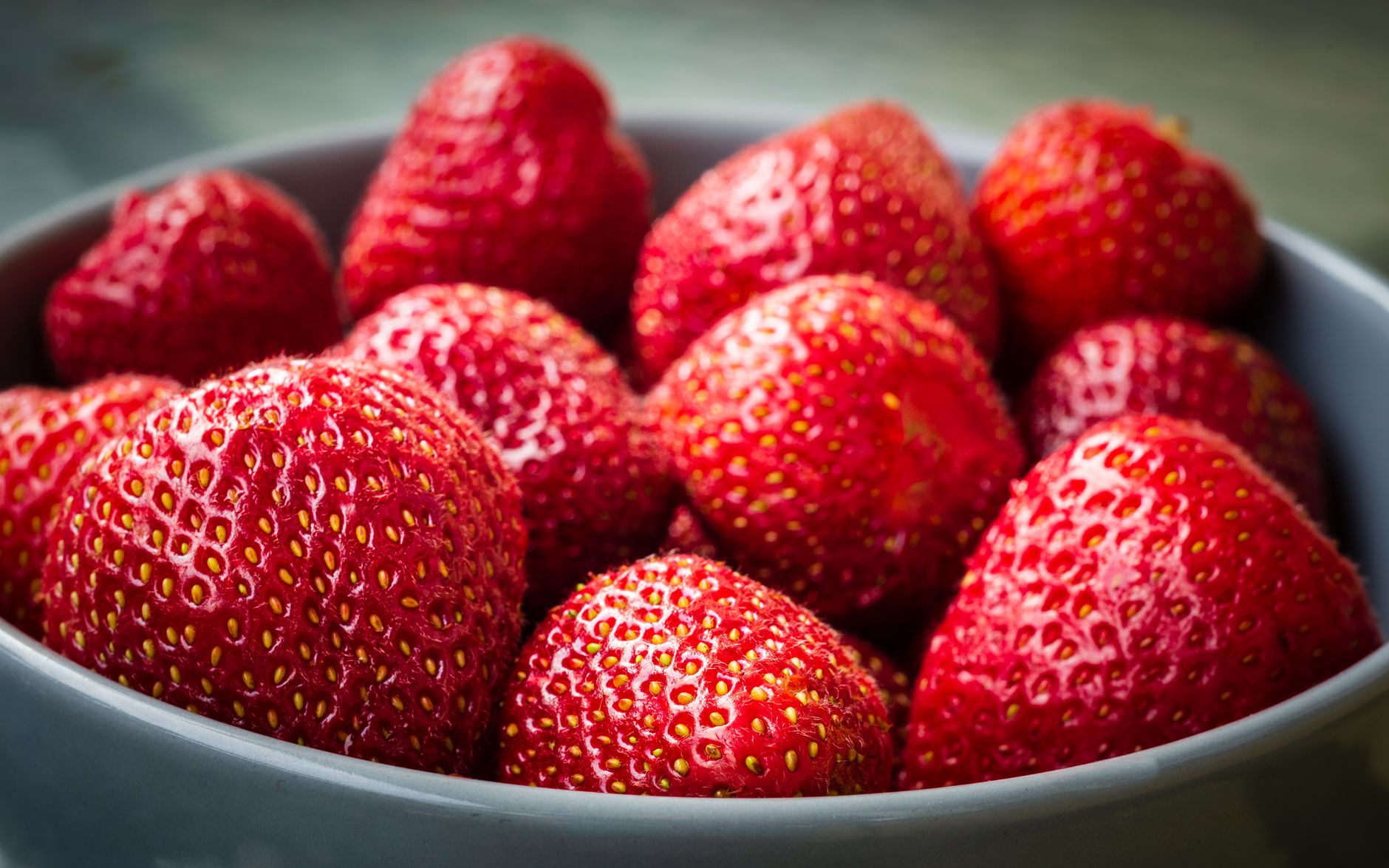
Strawberries are a beloved fruit, known for their sweet, juicy flavor and vibrant color. However, like all produce, they can spoil quickly if not consumed promptly. If you find yourself with strawberries that are starting to go bad, don’t worry! There are numerous ways to use them creatively while reducing food waste.
From making delicious treats and preserves to incorporating them into savory dishes, strawberries on the brink can transform into standout recipes. In this guide, we’ll explore practical uses for those sad strawberries, ensuring you make the most of your bounty.
What to Do with Strawberries That Are Going Bad?
When strawberries begin to spoil, they can still be utilized in various ways. You can make compotes, jams, smoothies, baked goods, or even sauces. These methods not only help you reduce waste but also allow you to create tasty products that can be enjoyed for days or even months to come.
Understanding Strawberry Ripeness
Before diving into how to use strawberries that are going bad, it’s important to understand what makes them ripe and when they have crossed the line into spoilage:
- Fresh and Ripe: Bright red color, firm texture, and a sweet aroma.
- Beginning to Go Bad: Soft spots, dull coloration, and slight fermentation smell.
- Bad: Mushy texture, excessive mold, and strong off-odors.
How to Prepare Strawberries for Use
Before using your strawberries, proper preparation is essential. Here’s how to clean and prepare them:
- Sort through the strawberries, discarding any that are completely bad.
- Rinse the good strawberries under cool running water to remove dirt and debris.
- Pat them dry with a paper towel or clean cloth.
- Remove the green caps and any soft spots with a knife.
Creative Uses for Strawberries That Are Going Bad
1. Strawberry Compote
Strawberry compote is a versatile topping that can enhance various dishes, from pancakes to yogurt.
Yield: About 2 cups
Preparation Time: 10 minutes | Cooking Time: 15 minutes | Total Time: 25 minutes
Ingredients:
- 2 cups strawberries, hulled and quartered
- 1/4 cup sugar (adjust to taste)
- 1 tablespoon lemon juice
- 1/2 teaspoon vanilla extract (optional)
Essential Equipment:
- Medium saucepan
- Spoon for stirring
- Measuring cups and spoons
Method:
- Combine strawberries, sugar, lemon juice, and vanilla extract in a medium saucepan over medium heat.
- Stir occasionally until the mixture comes to a gentle simmer.
- Cook for about 10-15 minutes, stirring frequently, until strawberries are soft and the mixture thickens.
- Remove from heat and let it cool slightly before serving or storing. Enjoy warm or cold!
2. Strawberry Preserves
Preserving strawberries extends their shelf life and allows you to enjoy their flavor year-round. This simple no-cook method is fun and easy!
Yield: About 3 cups
Preparation Time: 15 minutes | Total Time: 15 minutes (plus refrigeration)
Ingredients:
- 2 cups strawberries, hulled and mashed
- 1 cup granulated sugar
- 1 tablespoon lemon juice
Essential Equipment:
- Mixing bowl
- Jar (for storing preserves)
Method:
- In a mixing bowl, mash the strawberries using a fork or a potato masher.
- Add sugar and lemon juice to the strawberries and stir well to combine.
- Transfer the mixture to a clean jar, seal it, and refrigerate for at least 24 hours to allow the flavors to meld.
- Use within a few weeks for the best flavor.
3. Smoothies and Shakes
Smoothies are an excellent way to use up slightly overripe strawberries. They blend well with many ingredients, making them highly customizable.
Yield: 2 servings
Preparation Time: 5 minutes | Total Time: 5 minutes
Ingredients:
- 1 cup strawberries, hulled
- 1 ripe banana
- 1 cup yogurt or milk (dairy or non-dairy)
- 1 tablespoon honey or maple syrup (optional)
- 1/2 cup ice (optional)
Essential Equipment:
- Blender
- Measuring cups
Method:
- Add strawberries, banana, yogurt or milk, honey, and ice to the blender.
- Blend on high until smooth and creamy.
- Pour into glasses and enjoy immediately.
4. Strawberry Sauce
Strawberry sauce is perfect for drizzling over desserts or as a topping for pastries. This quick recipe captures strawberries’ essence.
Yield: About 1 cup
Preparation Time: 5 minutes | Cooking Time: 10 minutes | Total Time: 15 minutes
Ingredients:
- 1 cup strawberries, hulled and quartered
- 1/4 cup sugar (adjust to taste)
- 1 tablespoon lemon juice
Essential Equipment:
- Small saucepan
- Spoon for stirring
- Measuring cups and spoons
Method:
- In a small saucepan, combine strawberries, sugar, and lemon juice over medium heat.
- Stir occasionally until the mixture comes to a simmer and the strawberries break down.
- Cook for about 5-10 minutes until slightly thickened. Remove from heat and cool before serving.
5. Baking with Strawberries
If your strawberries are slightly mushy but still edible, they work wonderfully in baking. Here are three ideas:
- Strawberry Muffins: Substitute fresh strawberries in your favorite muffin recipe for a fruity twist.
- Strawberry Shortcake: Layer cakes or biscuits with whipped cream and strawberry slices for a classic dessert.
- Strawberry Bread: Use pureed strawberries as part of the wet ingredients in a quick bread recipe for natural sweetness and moisture.
Storage Tips for Strawberries
To maximize the shelf life of your strawberries, follow these storage tips:
- Store in the refrigerator to maintain freshness.
- Keep strawberries dry. Excess moisture promotes spoilage.
- Do not wash strawberries until you are ready to use them to prevent mold growth.
Freezing Strawberries for Future Use
If you can’t use your strawberries in time, freezing is a great option. Here’s how:
- Clean, hull, and slice the strawberries as desired.
- Spread them in a single layer on a baking sheet lined with parchment paper.
- Freeze for about 2 hours or until firm.
- Transfer the frozen strawberries to airtight containers or freezer bags, removing as much air as possible.
- Label with the date and store in the freezer for up to 6 months.
Common Mistakes to Avoid with Strawberries
Here are a few common pitfalls when handling strawberries and how to avoid them:
- Rinsing Before Storage: Always wait to rinse strawberries until you plan to eat them. Washing can introduce moisture that speeds spoilage.
- Ignoring Signs of Spoilage: If a few strawberries are bad, it’s best to dispose of them immediately to prevent others from going bad.
- Overripe Use: If strawberries are overly ripe, utilize them quickly in recipes. Leaving them in storage will lead to waste.
Conclusion
Strawberries that are starting to go bad can still be transformed into delightful and practical dishes. From compotes and preserves to delicious smoothies and baked goods, there are endless possibilities to make the most out of them. So, the next time you find a few strawberries nearing their end, get creative and whip up something delicious!
For more delicious options, check out our recipes for strawberry compote and strawberry preserves. There’s always a way to minimize waste while enjoying the rich flavors of this beloved fruit.