
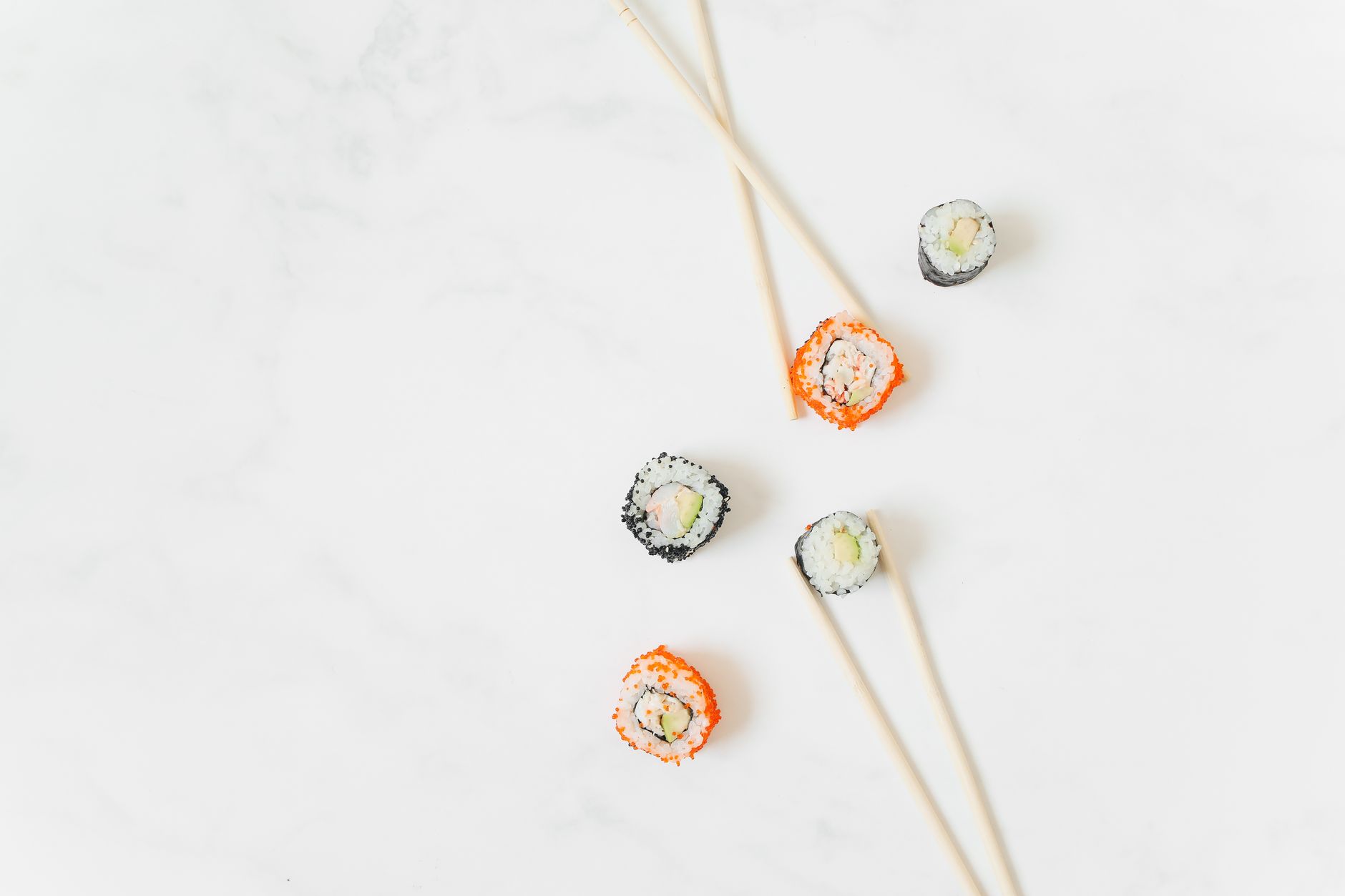
The California roll is a popular sushi dish that many people enjoy for its combination of flavors and textures. With its filling of crab (or imitation crab), avocado, and cucumber wrapped in rice and seaweed, it offers a delightful balance of taste that appeals to a wide audience.
As sushi gains popularity worldwide, so does the curiosity about its nutritional content, particularly regarding calories. This article delves into the calorie count of California rolls, examining common portion sizes, nutritional components, and providing practical tips on how to incorporate this dish into a balanced diet.
How Many Calories in California Roll?
A typical California roll contains approximately 250 to 300 calories per 8-piece serving. However, the calorie content can vary based on the specific ingredients used, preparation method, and portion size. Understanding the nutritional makeup of this sushi rolls will help you make informed choices when enjoying this popular dish.
Nutritional Breakdown of a California Roll
To understand the calories in a California roll, it’s essential to examine its ingredients and their contributions to overall nutrition. Below is a detailed breakdown of the typical components found in a California roll:
- Rice: Sushi rice is essential in California rolls. A typical serving (about 3/4 cup cooked) contains around 150-170 calories. The rice also provides carbohydrates, which are the primary energy source for the body.
- Crab (or imitation crab): Real crab meat contributes about 70-80 calories per serving, while imitation crab usually contains about 40-50 calories. This variation is due to the different ingredients used in imitation crab, which often consists of surimi (processed fish), fillers, and flavorings.
- Avocado: Often included for its creamy texture and rich flavor, avocado adds approximately 50-80 calories per serving (about a quarter of a medium avocado). It also provides healthy fats, vitamins, and minerals.
- Cucumber: While cucumber adds a refreshing crunch, its calorie contribution is minimal—about 5 calories per serving (usually a few slices).
- Nori (seaweed): The sheets of nori used to wrap the roll provide only about 5 calories each.
Factors Affecting Calorie Count
The calorie count of a California roll can be influenced by several factors:
- Ingredient Variations: Different sushi chefs may use various types of crab and modify the ratio of fillings. Sometimes, rolls include additional sauces or toppings that can increase the calorie content.
- Portion Size: While a standard California roll typically comprises eight pieces, some establishments offer larger portions or more substantial rolls.
- Preparation Method: California rolls are usually not fried, making them relatively healthy. However, if you find variations that include fried ingredients or sauces, expect a higher calorie count.
How to Enjoy California Rolls in a Balanced Diet
Incorporating California rolls into your meals is entirely possible, even if you are conscious about your calorie intake. Here are some practical tips to consider:
1. Pair With Nutrient-Dense Sides
Complement your California roll with a side of miso soup or a salad with a light vinaigrette to add nutritional value without significantly increasing calories.
2. Mind Your Portions
Be attentive to the number of rolls you consume. Trying one or two rolls as part of a meal rather than several can help manage calorie intake.
3. Balance with Protein
If you are having California rolls as a meal, consider including a lean protein source, such as grilled chicken or tofu, to ensure a well-rounded diet.
4. Limit High-Calorie Sauces
Many sushi restaurants serve rolls with sauces like spicy mayo or eel sauce, which can significantly increase the calorie count. Enjoy these sauces in moderation or request them on the side.
5. Choose Brown Rice for Additional Benefits
Some sushi restaurants offer brown rice options for sushi rolls. Brown rice provides more fiber and nutrients than white rice, making it a healthier choice.
Common Mistakes When Ordering California Rolls
While California rolls can be a delicious and nutritious option, there are some common pitfalls to be aware of:
1. Overestimating Portion Sizes
Many people do not realize that 8 pieces of California roll is typically considered one serving. It’s easy to overindulge, especially when dining out.
2. Misunderstanding Ingredient Quality
Not all California rolls are created equal. The quality of the crab, rice, and even the nori can greatly affect both taste and nutritional value.
3. Assuming All Sushi is Healthy
While sushi can be a great choice, specific rolls, particularly those with cream cheese, fried ingredients, or heavy sauces, may contain more calories and unhealthy fats than expected.
Variations of California Rolls
Over the years, many variations of the California roll have emerged, each adding unique flavors and textures. Here are some popular versions:
- Spicy California Roll: This version includes spicy mayo mixed with the filling, adding extra flavor and calories.
- Crunchy Roll: Topped with tempura flakes or fried onions, it adds a crispy texture but also increases calorie count.
- Tempura California Roll: Includes tempura-fried ingredients, drastically increasing calories and fat.
- Rainbow Roll: Adds assorted sashimi on top (usually shrimp, tuna, and salmon), providing an array of flavors and higher calorie count.
How to Make California Rolls at Home
Making California rolls at home can be a fun and rewarding experience. Here is a simple guide to prepare your rolls, which allows for easier control of ingredient quality and portion sizes.
Ingredients
- 1 cup sushi rice
- 1 ¼ cups water
- 2 tablespoons rice vinegar
- 1 tablespoon sugar
- ½ teaspoon salt
- 4 sheets nori (seaweed)
- ½ cup crab meat (or imitation crab)
- ½ avocado, sliced
- ½ cucumber, julienned
- Soy sauce and wasabi for serving
Essential Equipment
- Sushi mat (makisu)
- Sharp knife
- Small bowl of water (for handling rice)
Method
- Rinse the sushi rice under cold water until the water runs clear. Drain well.
- Combine the rice and water in a rice cooker or pot. Cook according to rice cooker instructions or bring to a boil, reduce heat, cover, and cook for about 18 minutes until the water is absorbed. Remove from heat and let sit for 10 minutes.
- In a small bowl, mix rice vinegar, sugar, and salt. Heat briefly in a microwave to dissolve, if needed.
- Once the rice is ready, transfer it to a large bowl and gently fold in the vinegar mixture, being careful not to mash the rice. Allow to cool to room temperature.
- Lay a sheet of nori, shiny side down, on the sushi mat. With wet hands, spread a thin layer of rice evenly over the nori, leaving about an inch along one edge.
- Place a line of crab, avocado, and cucumber along the center of the rice.
- Using the mat, carefully roll the sushi away from you, pressing gently to form a tight roll. Seal the edge with a bit of water.
- Repeat the process with the remaining ingredients.
- To serve, slice each roll into 6-8 pieces with a sharp knife dipped in water.
Storage and Leftovers
California rolls are best consumed fresh, but you can store leftovers safely. Here are some tips:
- Wrap any leftover rolls tightly in plastic wrap or store them in an airtight container.
- Keep them in the refrigerator for no more than 24 hours to maintain freshness. Note, though, that the texture of the rice and vegetables can change.
- Do not freeze California rolls, as the rice and vegetables will lose texture and flavor.
Conclusion
California rolls are an enjoyable and versatile sushi dish suitable for many occasions. With about 250 to 300 calories per serving, they fit into a healthy diet when enjoyed in moderation. By being mindful of your portion sizes and pairing them with other nutritious foods, you can savor California rolls while maintaining a balanced diet.
Explore our other articles for more insights on sushi, cooking techniques, and meal planning to enhance your culinary repertoire.