
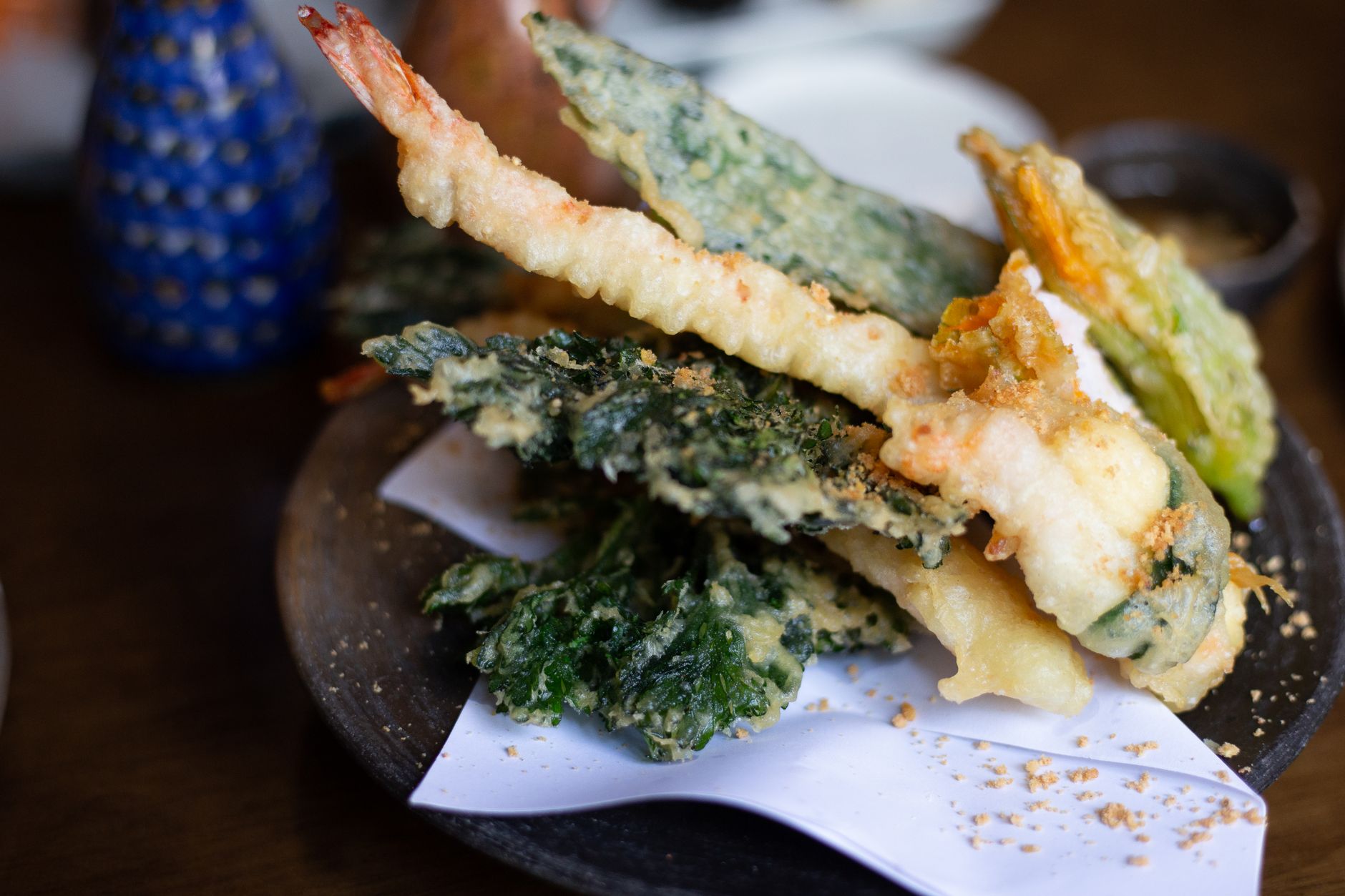
Tempura is a beloved Japanese dish known for its light, crispy batter and beautifully fried vegetables or seafood. Originating in the 16th century, its technique involves a quick frying method that retains the ingredient’s natural moisture and flavor. Understanding what tempura is made of will enhance your cooking experience and allow for delicious variations.
This article explores the essential ingredients that make up tempura, tips for preparation, troubleshooting common issues, and serving suggestions to elevate your culinary skills. Let’s delve into the world of tempura and learn how to recreate this delightful dish at home!
What Is Tempura Made Of?
Tempura is made with a combination of fresh vegetables or seafood coated in a light batter, which typically consists of flour, cold water, and sometimes egg. The ingredients are fried rapidly in hot oil, resulting in a crunchy texture while preserving the natural flavors of the ingredients. The principles behind tempura focus on achieving a delicate balance of flavors and textures.
Essential Ingredients for Tempura
Creating authentic tempura relies on selecting the right ingredients. Here’s a closer look at what you will need:
- Tempura Batter:
- All-Purpose Flour: 1 cup
- Ice Cold Water: 1 cup
- Optional Egg Yolk: 1 large egg yolk
- Vegetables and Seafood:
- Vegetables: Common choices include sweet potatoes, carrots, bell peppers, zucchini, and green beans.
- Seafood: Shrimp, white fish, and squid are traditional options.
- Oil for Frying: Use vegetable oil, sunflower oil, or any neutral oil with a high smoke point.
- Optional Seasonings:
- Salt: For seasoning the batter or the final dish.
- Tempura Dipping Sauce: Typically made of dashi, soy sauce, and mirin.
Preparation and Cooking Techniques
The technique behind tempura is crucial. Here’s a detailed step-by-step guide on how to prepare and cook tempura:
Preparing the Ingredients
- Choose Fresh Ingredients: Select fresh vegetables and seafood. Ensure seafood is cleaned, deveined (for shrimp), and dried thoroughly.
- Cut Vegetables Consistently: Cut vegetables into uniform pieces, roughly 1/4 inch thick or bite-sized, for even cooking.
- Make the Tempura Batter:
- In a bowl, combine 1 cup of all-purpose flour with 1 cup of ice-cold water. (If using, add 1 egg yolk).
- Stir gently to combine without over-mixing; it’s okay if there are some lumps.
- Keep the batter chilled until ready to use. Cold batter helps create that signature crispy texture.
Frying Tempura
- Heat the Oil: In a deep pot or fryer, heat vegetable oil to 350°F (175°C). Use enough oil to submerge the ingredients adequately while frying.
- Coat the Ingredients: Dip each piece of vegetable or seafood into the batter, allowing excess batter to drip off, so the coating remains light.
- Fry in Batches: Carefully place the coated ingredients into the hot oil. Avoid crowding the pot; fry in small batches to maintain oil temperature.
- Cook Until Golden Brown: Fry for 2-3 minutes on each side until golden and crispy. Remove using a slotted spoon and drain on paper towels to absorb excess oil.
- Season and Serve: Immediately season with salt and serve with tempura dipping sauce for extra flavor.
Common Mistakes to Avoid
To achieve successful tempura, consider these common pitfalls and how to avoid them:
- Overmixing: The batter should be lightly mixed. Overmixing can develop gluten, leading to a dense texture rather than a light, crispy one.
- Oil Temperature: Ensure the oil is at the correct temperature, around 350°F (175°C). Too low will result in greasy tempura; too high can burn the batter.
- Ingredient Moisture: Pat seafood and vegetables dry before battering to prevent the batter from becoming soggy.
- Crowding the Pan: Fry in small batches to keep the oil temperature stable and ensure even cooking.
Serving Tempura: Tips & Suggestions
Tempura is versatile and can be served in various ways. Here are some serving tips to enhance your dish:
- Accompaniments: Serve tempura with dipping sauce made of dashi, soy sauce, and mirin. You can also include a sprinkle of grated daikon or a slice of lemon for added freshness.
- Pairings: Tempura goes well with rice, soba noodles, or in a light salad. Consider creating a tempura donburi, which dishes tempura on top of rice.
- Garnishes: Fresh herbs, such as shiso or green onions, can add a delightful touch to the presentation.
Variations of Tempura
Exploring variations of tempura adds excitement to your culinary journey. Here are a few ways to switch things up:
- Tempura Udon: Serve tempura over a bowl of udon noodles with broth, adding depth to flavor.
- Sweet Tempura: Try tempura batter on banana, mango, or even chocolate for a unique dessert.
- Edit the Batter: Experiment with different flours, like rice flour or cornstarch, for an allergy-friendly tempura that provides an interesting texture.
Make-Ahead and Storage Tips
While tempura is best eaten fresh, certain steps can be prepared ahead of time:
- Prep Ingredients Early: Vegetables can be cut and stored in an airtight container in the refrigerator for a few hours before frying.
- Batter Preparation: The batter can also be made ahead and kept chilled for a few hours; just stir again before using.
- Storage: Leftover fried tempura can be stored in an airtight container at room temperature for a few hours. Reheat in an oven or air fryer to regain crispness.
Conclusion
Tempura is a delightful dish that offers a crispy, satisfying crunch while highlighting the flavors of fresh vegetables and seafood. By understanding what tempura is made of and following the proper techniques, anyone can master this skillful preparation. Whether for a casual meal or a special occasion, tempura can easily impress with its aesthetic appeal and delectable taste. Take your cooking to the next level with a delightful homemade tempura!
If you’re interested in mastering the perfect dipping sauce, check out our tempura sauce recipe. You might also want to learn more about the intricacies of soy sauce by visiting how soy sauce is made. Enjoy your culinary exploration!