
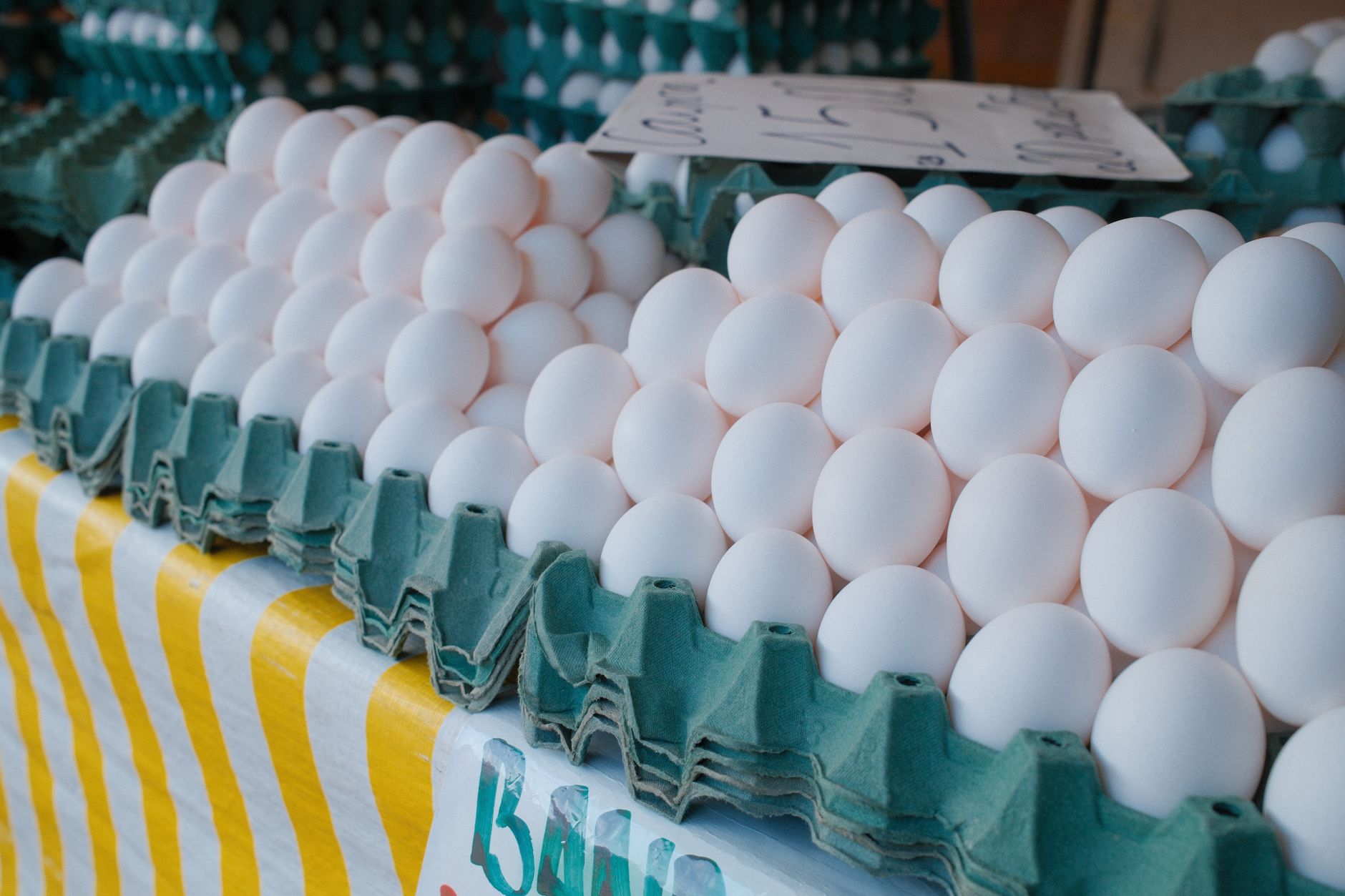
Eggs are a staple in many diets around the world, praised for their versatility and nutritional value. One question often asked is, “How much fat is in eggs?” Understanding the fat content in eggs is essential for meal planning, especially for those watching their dietary intakes. In this article, we’ll explore the fat content in eggs, their nutritional profile, and how they fit into various dietary preferences.
Eggs are not only rich in protein but also contain essential vitamins and minerals. They can be prepared in numerous ways, making them a favorite for breakfast, lunch, and dinner. Let’s dive deeper into the fat content, serving sizes, and the overall nutrition facts associated with eggs.
How Much Fat in Eggs?
On average, a large egg contains about 5 grams of fat. This fat is primarily found in the yolk, which accounts for around 3 grams, while the egg white is almost fat-free. The composition of fats in eggs includes a mix of saturated, monounsaturated, and polyunsaturated fats, with most being healthy fats that can contribute positively to your diet.
The specifics can vary based on the size of the egg and how it’s prepared. For instance, frying an egg in oil will add additional fat content. Here, we’ll break down the fat specifics more thoroughly below.
Understanding Egg Fat Composition
To appreciate how the fat in eggs contributes to our diets, it’s helpful to understand the broader profile of fats. Here’s a closer look at the types of fats in a typical large egg:
- Saturated Fat: Approximately 1.5 grams
- Monounsaturated Fat: Approximately 2 grams
- Polyunsaturated Fat: Approximately 0.7 grams
While saturated fat has often received negative attention, recent studies suggest that moderate consumption is not necessarily harmful when part of a balanced diet. Additionally, the monounsaturated fats in eggs can help improve cholesterol levels and support heart health.
Nutritional Profile of Eggs
Beyond fat, eggs boast a rich nutrient profile. A large egg contains approximately:
- Calories: 70-80
- Protein: 6 grams
- Vitamin D: 10% of the Daily Value (DV)
- Choline: 25% of the DV
- Vitamin B12: 20% of the DV
- Riboflavin: 15% of the DV
- Selenium: 22% of the DV
Choline is particularly noteworthy as it plays a crucial role in brain health and function. Eggs also provide antioxidants like lutein and zeaxanthin, which are beneficial for eye health.
Serving Sizes and How to Enjoy Eggs
The size of the egg significantly impacts its nutritional content. Here are common sizes and their approximate fat content:
| Egg Size | Total Fat (grams) |
|---|---|
| Small (38g) | 4.5 |
| Medium (44g) | 5 |
| Large (50g) | 5 |
| Extra Large (56g) | 6 |
| Jumbo (63g) | 7 |
Understanding serving sizes aids in incorporating eggs into your meal plans accurately. Eggs can be prepared in various ways such as boiling, poaching, scrambling, and frying. The choice of cooking method can influence the overall fat content of a meal.
Cooking Techniques and Their Impact on Fat Content
The method of cooking can add extra fat to eggs. Here’s how different cooking methods affect the fat content:
- Boiled or Poached: These methods are the healthiest choice, maintaining the eggs’ natural fat content.
- Scrambled: When scrambled in butter or oil, the fat content can increase by 2-8 grams, depending on the amount used.
- Fried: Frying in oil or butter can significantly raise the fat content, ranging between 5-10 grams or more, based on the type and amount of fat used.
For those monitoring their fat intake, opting for boiling or poaching can help you keep the fat content lower while still enjoying the nutritional benefits of eggs.
Healthy Egg Variety Considerations
When evaluating eggs, some may wonder about differences between conventional, organic, and free-range options. Nutritional differences are not substantial regarding fat content, but they can vary in terms of overall quality and ethical farming standards.
- Conventional Eggs: Usually more affordable, produced by hens raised in large environments with less access to the outdoors.
- Organic Eggs: Hens are fed organic feed, and they have access to outdoor spaces, often regarded as healthier by some consumers.
- Free-Range Eggs: Hens have more access to outdoor environments, which can enrich their diet naturally.
Egg Substitutions and Dietary Adjustments
For those looking to reduce fats or calories, here are some useful substitutions:
- Egg Whites: These are fat-free and can replace whole eggs in recipes, providing the protein without the fat.
- Flaxseed Meal: Mix 1 tablespoon of flaxseed meal with 2.5 tablespoons of water to substitute for one egg in baking.
- Chia Seeds: Similar to flaxseed, mix 1 tablespoon of chia seeds with 2.5 tablespoons of water for a vegan substitute.
Keep in mind that while these alternatives can reduce fat, they may also alter the flavor or texture of your dishes. Use them judiciously based on the recipe requirements.
Common Mistakes When Cooking Eggs
Even simple recipes can go awry. Here are some common pitfalls:
- Overcooking: This can lead to rubbery texture, especially with scrambled eggs.
- Using High Heat: Cooking eggs on high heat can burn or toughen them; moderate heat is usually best.
- Not Seasoning: Eggs can be somewhat bland; don’t forget to use salt, pepper, or herbs to enhance flavor.
Storage and Safety of Eggs
Proper storage ensures the safety and longevity of eggs. Store eggs in their original carton in the refrigerator to maintain freshness and protect them from absorbing strong odors. Typically, eggs can last about 3-5 weeks when refrigerated, but be sure to check them regularly.
If you’re curious about how long you can keep eggs in the refrigerator, check out this detailed guide on [how long can you keep eggs](https://mamassecretrecipes.com/how-long-can-you-keep-eggs-in-the-refrigerator/).
Conclusion
Understanding how much fat is in eggs and their overall nutritional profile helps in making informed dietary choices. Whether you enjoy them in breakfast burritos or classic egg salad, eggs can be a nutritious part of a balanced diet when consumed mindfully.
To further explore the nutritional aspects of eggs and calories, feel free to visit this page on [how many calories in 2 scrambled eggs](https://mamassecretrecipes.com/how-many-calories-in-2-scrambled-eggs/) for additional insights.