
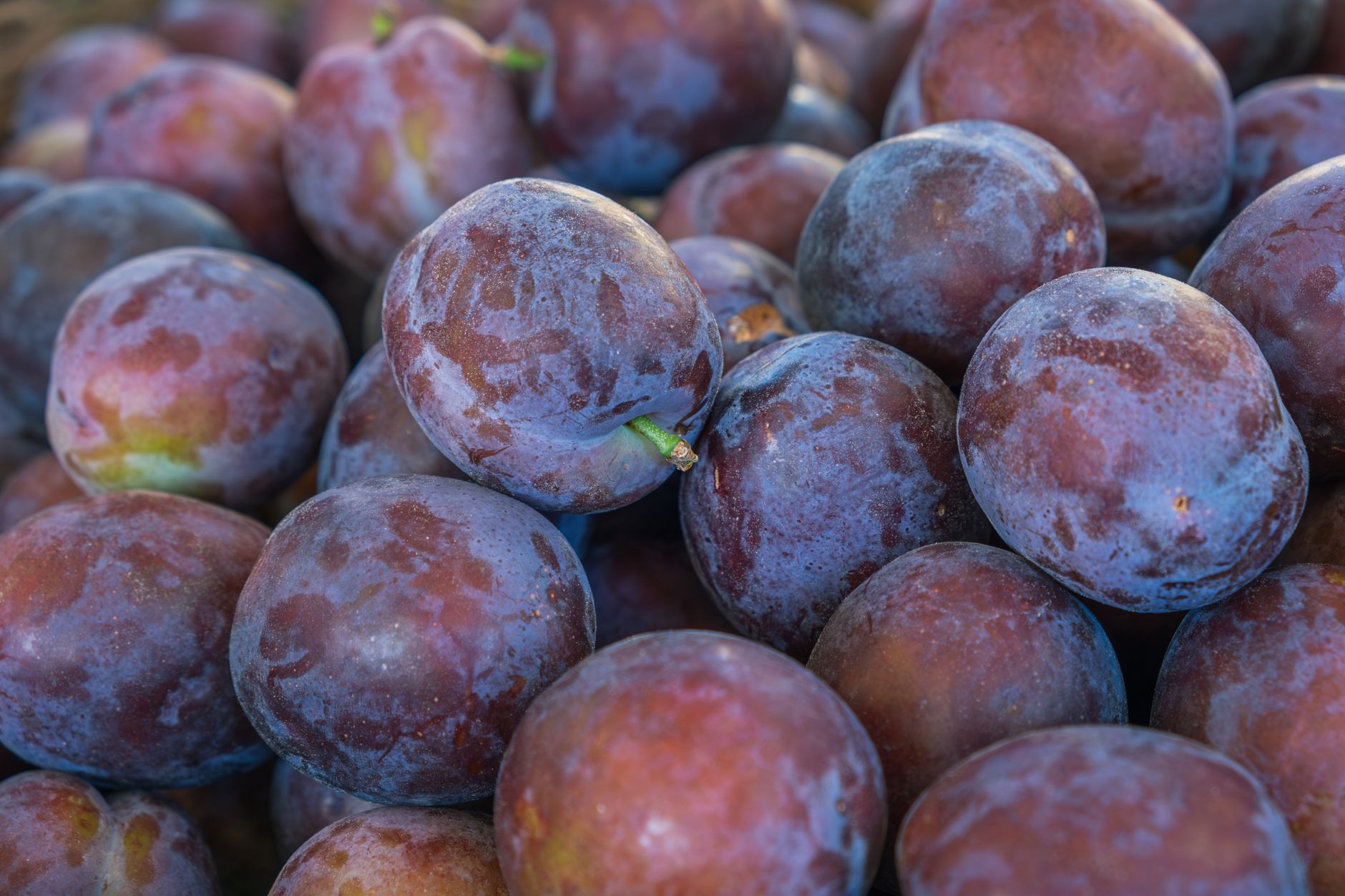
Plums are not only delicious fruits but also have garnered attention for their potential digestive benefits. Many people wonder, “Do plums make you poop?” This question is particularly relevant for those seeking natural solutions for digestive health. In this article, we will explore the properties of plums, their effects on bowel movements, and provide practical information on portion sizes and preparation methods.
Understanding how food affects digestion is crucial in managing dietary choices. This guide will delve into the fiber content, nutritional profile, and the role of plums in promoting gut health. We will also cover tips on incorporating plums into your diet effectively, the quantities to consume, and possible alternatives for similar results.
Do Plums Make You Poop?
Yes, plums can help promote bowel movements due to their high fiber content and natural sorbitol content. Fiber adds bulk to the stool while sorbitol acts as a mild laxative by drawing water into the intestines, facilitating easier passage. Eating plums regularly can support digestive health, making them a valuable addition to your diet, especially for those experiencing constipation.
The Nutritional Profile of Plums
Before diving into the digestive effects of plums, it’s essential to understand their nutritional composition. A standard serving of plums (approximately 100 grams or about two medium plums) contains:
- Calories: 46
- Total Fat: 0.3 g
- Sodium: 0 mg
- Carbohydrates: 11.4 g
- Dietary Fiber: 1.4 g
- Sugar: 9.9 g
- Protein: 0.7 g
- Vitamin C: 9% of the Daily Value (DV)
- Vitamin K: 8% of the DV
- Potassium: 245 mg
These nutrients contribute to both general health and digestive function. Notably, the fiber and sorbitol work synergistically to enhance bowel regularity.
The Role of Fiber in Digestive Health
Dietary fiber is crucial for maintaining gut health. It can be classified into two types: soluble and insoluble. Plums contain both forms, leading to beneficial effects on digestion:
Soluble Fiber
Soluble fiber dissolves in water and forms a gel-like substance. This type of fiber helps to slow digestion, allowing for better nutrient absorption. It can aid in regulating blood sugar levels and lowering cholesterol. While plums are not the highest source of soluble fiber, they still contribute positively to overall intake.
Insoluble Fiber
Insoluble fiber, on the other hand, adds bulk to the stool, promoting regular bowel movements. It helps move food through the digestive tract, preventing constipation. Plums provide a good source of this type of fiber, making them a digestive ally.
Sorbitol: The Laxative Effect
Sorbitol is a naturally occurring sugar alcohol found in various fruits, including plums. It is not digestible and can help draw water into the intestines, effectively softening the stool and stimulating bowel activity. For individuals prone to constipation, the presence of sorbitol in plums can be particularly beneficial.
How Many Plums Should You Eat?
Portion size plays an important role in how your body responds to plums. While individual tolerance may vary, a common recommendation is:
- One to two medium-sized plums (approximately 100 to 200 grams) per day.
Start with a smaller quantity if you have not consumed plums regularly, as your digestive system may need time to adapt to the increased fiber. Gradually increasing your intake of plums can help maximize their benefits.
How to Incorporate Plums into Your Diet
Plums are versatile fruits that can be enjoyed fresh or incorporated into various dishes. Here are several ways to add them to your meals:
Fresh Plums
Eating fresh plums is the simplest way to enjoy their digestive benefits. You can wash, slice, and eat them plain or toss them into salads for added flavor.
Smoothies
Blend fresh or frozen plums into smoothies. Pair them with yogurt, spinach, or other fruits to create a nutrient-rich, digestively beneficial drink.
Baked Goods
Add chopped plums to muffins, breads, or pastries. When baked, they provide moisture and natural sweetness while boosting fiber content.
Conserves and Sauces
Consider making plum conserve or sauce by cooking plums with a bit of sugar and spices. Use them as spreads or toppings for yogurt, oatmeal, or pancakes.
Salads and Salsas
Combine chopped plums with other fruits, vegetables, or herbs in salads or salsas. They add a sweet-tart flavor that complements savory dishes.
Common Mistakes When Eating Plums
While plums are generally safe and beneficial, here are some common mistakes to avoid:
Overconsumption
Eating too many plums can lead to digestive discomfort due to excessive fiber and sorbitol intake. Stick to the recommended portion sizes, particularly if your diet is low in fiber.
Ignoring Ripeness
Choose ripe plums for the best flavor and digestive benefits. Unripe plums may have a more acidic taste and could be harder on the digestive system.
Skipping the Skin
The skin of the plum contains a significant amount of fiber and nutrients. Always consume plums with the skin on to maximize their health benefits.
Storage Tips for Plums
To enjoy plums at their best, proper storage is essential:
How to Store Fresh Plums
Store unripe plums at room temperature until they reach the desired ripeness. Once ripe, transfer them to the refrigerator to prolong freshness. If plums become overripe, they can still be used in cooking or baking.
Freezing Plums
For long-term storage, plums can be frozen. Wash, pit, and slice them before freezing in an airtight container or a resealable bag. Frozen plums can be used later in smoothies, sauces, or baked goods.
When to Consult a Doctor
While plums can significantly help with digestion, some individuals might experience adverse effects. If you notice persistent digestive issues despite incorporating plums and other fibrous foods, or if consuming plums leads to excessive gas or discomfort, consult a healthcare professional for personalized advice.
Other Foods That Promote Bowel Movements
In addition to plums, there are other foods known to support digestive health. Some noteworthy options include:
- Prunes: High in fiber and sorbitol, prunes are well-known for their laxative effect.
- Apples: Rich in pectin, a soluble fiber that encourages healthy digestion.
- Chia Seeds: A great source of fiber that expands in water, promoting bulking of stool.
- Oats: Containing both soluble and insoluble fiber, oats help regulate bowel movements.
Inclusion of a variety of these foods in your diet can enhance your overall digestive health while providing a range of vitamins and minerals.
Conclusion
Incorporating plums into your diet can be a tasty way to enhance digestive health and promote regular bowel movements. Their natural richness in fiber and sorbitol, along with their versatility in different dishes, makes them an excellent fruit choice. Remember to consume them in moderation, considering your dietary fiber needs to optimize their benefits.
Explore more about other digestive-friendly foods such as cabbage or broccoli for a balanced diet by checking out our guides on broccoli and its carb content and the effects of cabbage on digestion.