
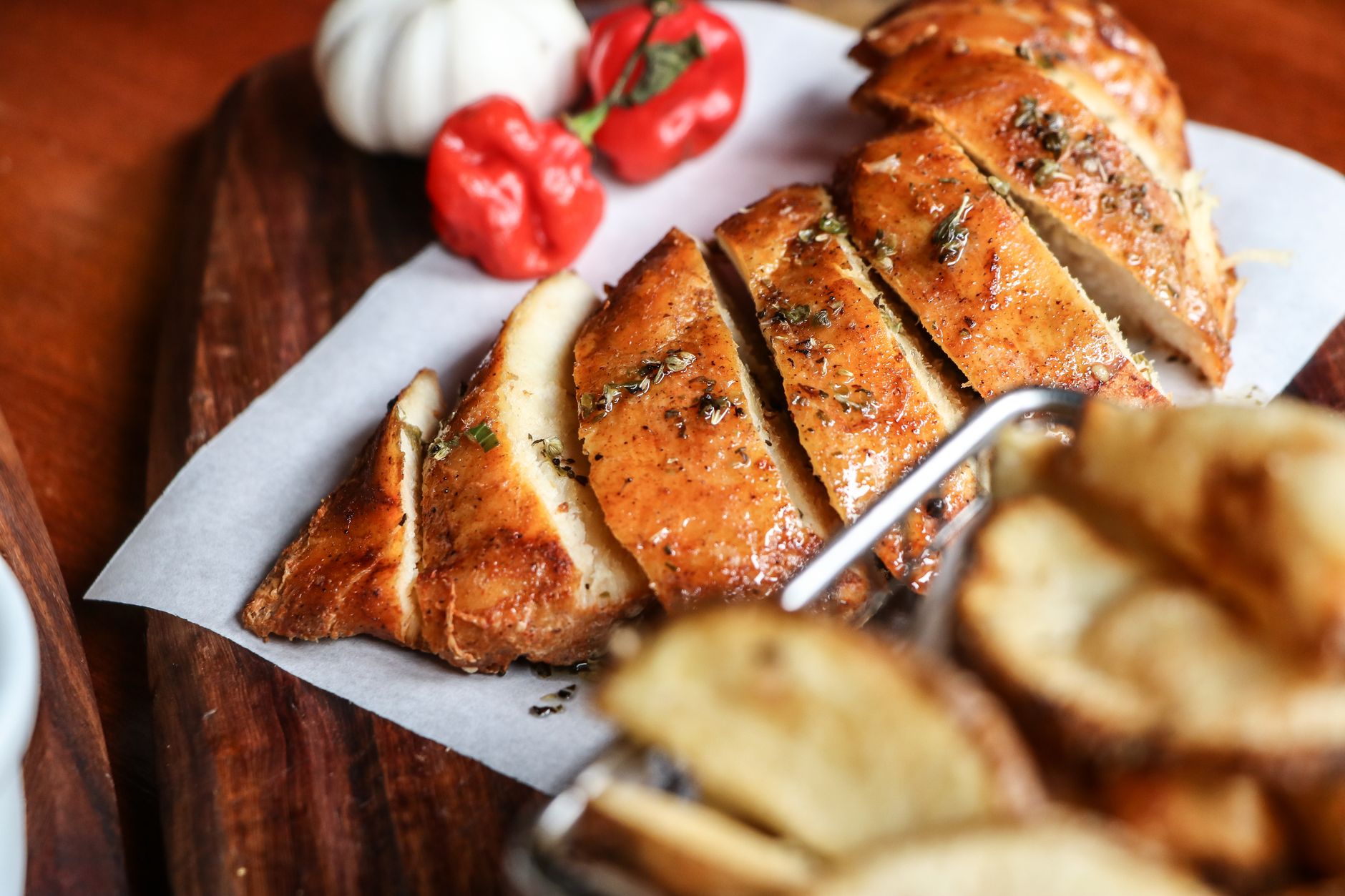
Turkey is a popular poultry choice, often found in sandwiches, salads, and during festive celebrations. Not only is it delicious, but it’s also a significant source of protein, making it a staple for many people aiming to maintain a healthy diet. Understanding how much protein is in a slice of turkey can help you plan meals effectively and ensure that you’re meeting your nutritional needs.
In this article, we’ll explore how much protein is typically found in a slice of turkey, factors that can influence these values, and tips on incorporating turkey into your meals for maximum benefit. Whether you’re meal prepping, looking for healthy protein sources, or just a turkey aficionado, you’ll find valuable information here.
How Much Protein in a Slice of Turkey?
A typical slice of turkey (approximately 28 grams) contains around 5 to 6 grams of protein. This number can vary slightly depending on the specific cut of turkey used (breast, thigh, etc.) and whether it is processed or sliced fresh.
Types of Turkey and Their Protein Content
Let’s take a closer look at different types of turkey and how the protein content can vary:
- Turkey Breast: A slice from the breast is the leanest and offers the highest protein content. Generally, you can expect about 6 grams of protein per slice (28 grams).
- Turkey Thigh: This part has slightly more fat and thus a bit less protein, offering about 5 grams of protein per 28 grams.
- Processed Turkey (Deli Meats): Many deli turkey slices, while still a good source of protein, may have added sodium or preservatives. They contain roughly 5 grams of protein per slice, but this can vary based on the brand and preparation method.
Factors Affecting Protein Content
Several factors influence the protein content of turkey slices, including:
1. Cut of Turkey
As mentioned, different parts of the turkey, such as the breast or thigh, contain varying amounts of protein. The breast is typically the leanest option.
2. Cooking Method
How you cook turkey can impact its final nutritional profile. Roasting and grilling tend to retain the protein concentration better than frying, which may add additional fats.
3. Additives and Seasonings
Processed turkey often contains other ingredients that might affect the overall nutrition. Always check labels for additional sugars, salts, or preservatives, which can impact healthfulness.
Benefits of Consuming Turkey
Turkey is not only valued for its protein but also offers additional health benefits:
- Rich in Nutrients: Turkey is a good source of vital nutrients such as B vitamins (especially B6 and B12), which are important for energy metabolism.
- Low in Fat: Particularly skinless turkey breast, which is low in saturated fat, making it a heart-healthy option.
- Supports Muscle Health: The high protein content supports muscle maintenance and growth, especially important for those who are active or aging.
How to Incorporate Turkey into Your Diet
Incorporating turkey into various meals can help you enjoy its flavor while reaping its nutritional benefits. Here are some practical ways to include turkey in your diet:
1. Sandwiches and Wraps
A classic way to enjoy turkey is in sandwiches or wraps. Pair fresh turkey with whole grain bread, vegetables, and healthy spreads for a balanced lunch.
2. Salads
Adding turkey slices to salads provides an easy protein boost. Combine mixed greens with roasted turkey, nuts, seeds, and your choice of dressing for a nutritious meal.
3. In Soups and Stews
Turkey can be a great protein addition to soups and stews, especially after the holidays. Shredded turkey offers flavor and bulk in warm, hearty dishes.
4. Stir-Fries and Casseroles
Substituting turkey in stir-fries or casseroles for beef or pork can lower fat content while maintaining flavor. Cook sliced turkey with vegetables and a choice of sauce for a quick meal.
5. Breakfast
Turkey can also be enjoyed at breakfast. Adding turkey sausage or turkey bacon to egg dishes can provide a savory start.
Meal Planning with Turkey
Meal planning is an effective way to manage your intake of turkey and ensure you get enough protein regularly. Here are some tips:
1. Batch Cooking
Cooking larger quantities of turkey at once can save time. Roast a turkey breast on the weekend, then use the leftovers for lunches and dinners throughout the week.
2. Portion Control
Keep an eye on serving sizes to maximize protein consumption without overdoing it on calories. Aim for 3 to 4 ounces (about 85 to 113 grams) of turkey per serving for most meals.
3. Diverse Recipes
Try various recipes that use turkey to prevent boredom with meals. Experiment with spices and sides to keep meals interesting while staying healthy.
Common Mistakes to Avoid
When incorporating turkey into your diet, avoid these common mistakes:
- Overprocessing: Many processed turkey products contain high sodium levels and preservatives. Opt for fresh or minimally processed turkey whenever possible.
- Ignoring Portion Sizes: While turkey is healthy, portion control is still essential to avoid consuming too many calories.
- Neglecting to Check Labels: Always read nutritional labels for processed turkey to be aware of additives and nutritional information.
Storing and Reheating Leftover Turkey
Safe storage and reheating of turkey are important to maintain food quality and safety:
Storage Guidelines
Leftover cooked turkey should be stored in an airtight container in the refrigerator and consumed within 3 to 4 days. If you need to keep it longer, consider freezing it, where it can last about 3 to 4 months.
Reheating Tips
When reheating turkey, use low to medium heat to prevent drying out. You can add a bit of broth or water and cover the dish to maintain moisture. Use a food thermometer to ensure the internal temperature reaches 165°F (74°C) for safety.
Conclusion
Turkey is a versatile, protein-rich food that can fit into countless recipes, meal plans, and dietary choices. Understanding its protein content and how to cook it can enhance your meals while supporting a balanced diet.
To enhance your cooking repertoire, explore related topics such as the protein content in spinach or how protein levels compare in ground beef. Discover more by checking out our articles on how much protein in spinach and how much protein is in ground beef.