
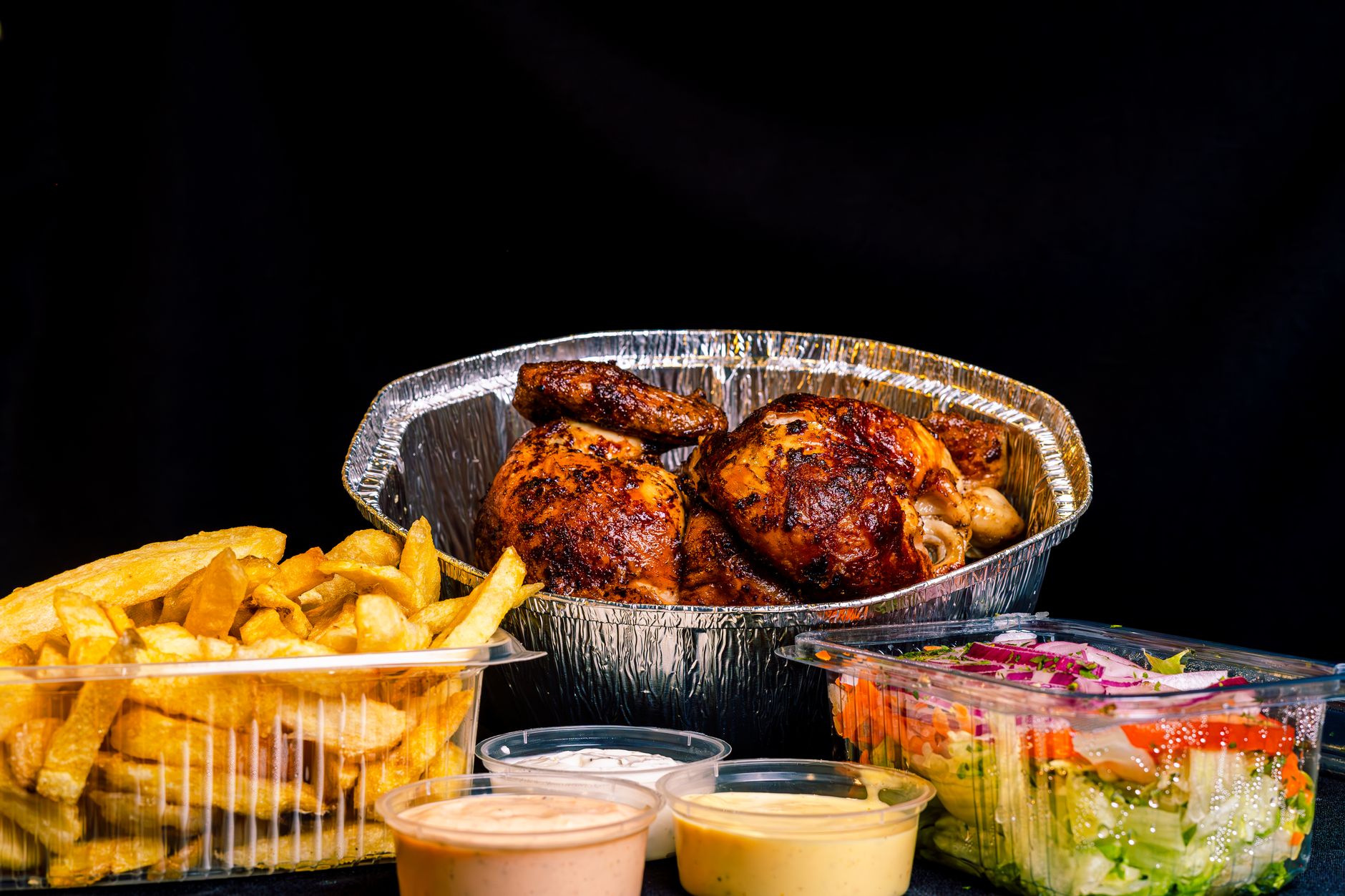
Rotisserie chicken is a popular meal option thanks to its convenience, flavor, and versatility. However, for those who are gluten-sensitive or are living a gluten-free lifestyle, the question arises: does rotisserie chicken have gluten? In this article, we’ll explore the composition of rotisserie chicken, including the potential presence of gluten in its seasoning, sauces, and preparation methods. This comprehensive guide will help you navigate choices at the grocery store or deli counter, understand labels, and make safe selections for your dietary needs.
Understanding gluten is vital for anyone with celiac disease or gluten sensitivity, as even trace amounts can cause negative reactions. Rotisserie chicken might seem like a safe choice, but knowing what to watch for can ensure you’re making informed decisions. Let’s delve into the details.
Does Rotisserie Chicken Have Gluten?
The straightforward answer is that plain, unseasoned rotisserie chicken does not contain gluten. However, the situation can change significantly based on the ingredients used in the seasoning and cooking process. Some seasonings, marinades, or sauces can contain gluten in the form of wheat-based ingredients like soy sauce, malt vinegar, or certain spice blends.
Understanding Gluten
Gluten is a protein found in wheat, barley, and rye. It acts as a binding agent, giving elasticity to dough and helping bread maintain its shape. For most people, gluten is harmless, but for some, particularly those with celiac disease or non-celiac gluten sensitivity, consuming gluten can trigger severe health issues.
Common sources of gluten include:
- Breads and baked goods
- Pasta
- Cereals
- Beer and other alcoholic beverages
- Certain sauces and dressings
Types of Rotisserie Chicken
When purchasing rotisserie chicken, it’s essential to examine what kind you’re choosing. Various types of rotisserie chicken may include plain versions, those with special flavorings, or even herb-infused varieties. The base ingredient – the chicken itself – is gluten-free, but added ingredients could introduce gluten content.
Plain Rotisserie Chicken
A plain rotisserie chicken typically consists of just the chicken, seasoning, and cooking method without any glutenous additives. This is generally the safest option for those avoiding gluten.
Seasoned or Flavored Rotisserie Chicken
Many stores offer rotisserie chickens with various seasonings or marinades. These can introduce gluten depending on their composition. For instance:
- BBQ Style: Often contains marinades that may have malt vinegar or soy sauce, potentially harboring gluten.
- Herb and Spice Blends: While many herb blends are gluten-free, some premade mixes may include fillers that have gluten.
- Teriyaki or Asian Flavors: Typically use soy sauce, which usually contains gluten unless specified as gluten-free.
Labeling and Ingredient Awareness
To determine whether a rotisserie chicken is gluten-free, checking the label is crucial. Here are some tips for understanding labels more effectively:
Read the Ingredients List
The ingredients should be clearly listed on the package or deli display. Look for any mention of wheat, barley, rye, or any derived products. If you see terms like “natural flavors” without further description, it’s safer to avoid those options.
Look for Gluten-Free Certifications
Some brands will explicitly label their products as gluten-free. This label indicates that the product meets FDA guidelines for gluten content, which should be less than 20 parts per million. Look out for third-party certifications for added reliability.
Ask Questions
In-store employees can often provide information about their rotisserie chickens. Feel free to inquire about the specific ingredients and if they can confirm if any gluten is present in their seasonings or preparations.
Common Ingredients and Potential Gluten Sources
Aside from direct gluten-containing ingredients, you should be aware of common additives that might also introduce gluten into your meal:
Making Rotisserie Chicken a Safe Meal
Here are some practical tips for ensuring that your rotisserie chicken is a safe choice:
- Choose Plain Options: Opt for a plain rotisserie chicken whenever possible to minimize the risk of gluten exposure.
- Homemade Seasonings: If you prefer flavored chicken, consider seasoning it yourself at home using gluten-free spices and herbs.
- Eat Quickly: Consume your rotisserie chicken soon after purchase. Storing it for long periods can risk contamination from other gluten-containing ingredients.
- Cross-Contamination: If you’re preparing rotisserie chicken at home, ensure your kitchen tools and surfaces are clean and free from gluten residues.
Compatible Side Dishes
When serving rotisserie chicken, it’s wise to choose side dishes that are gluten-free. Here are some ideas:
- Steamed vegetables
- Gluten-free grains like quinoa or rice
- Salads with gluten-free dressings
- Mashed potatoes or sweet potatoes prepared without gluten-containing ingredients
Expert Recommendations for Eating Out
If you’re dining at a restaurant or ordering rotisserie chicken for takeout, here are some tips to keep in mind:
- Research: Look up the restaurant’s menu online to check for gluten-free options before arriving.
- Ask About Ingredients: Speak to the staff and ask specific questions about their rotisserie chicken preparation.
- Request Modifications: Don’t hesitate to ask for the chicken to be served without sauces or specific seasonings that could contain gluten.
Potential Cross-Contamination Risks
Cross-contamination can occur in many ways, and vigilance is essential for those with gluten sensitivities:
- Cutting Boards and Utensils: Ensure that any utensils or cutting boards used for gluten-containing food are thoroughly cleaned before preparing gluten-free items.
- Fried Foods: If rotisserie chicken is served alongside fried items, be aware of potential oil contamination from gluten-based breading.
- Shared Serving Plates: If you’re sharing food, make sure chicken doesn’t come into contact with gluten-containing dishes.
Healthy Eating with Rotisserie Chicken
Using rotisserie chicken as a base can lead to many healthy meal options. Here’s how to maximize its nutritional profile:
- Incorporate lots of colorful vegetables to your meal, including steamed, roasted, or fresh options.
- Opt for healthy fats like avocado or olive oil in dressings and sides.
- Use rotisserie chicken in salads or wraps using gluten-free wraps or lettuce leaves, providing both flavor and nutrition.
Wrapping It Up
Understanding gluten and scrutinizing ingredient lists are key to safely enjoying rotisserie chicken. Opt for plain varieties when possible and always check for gluten in any seasonings or sauces used. Question your sources, whether at the grocery store or restaurant, and utilize resources to keep yourself informed.
In your culinary adventures, remember that many delicious options await, from side dishes to homemade seasoning alternatives. With these tips, rotisserie chicken can be a delicious, gluten-free meal that fits into a balanced diet.
For more gluten-free options to pair with your meals, you might want to check out our gluten-free gnocchi recipe or learn about whether basmati rice is gluten-free.