
Chia seeds have gained immense popularity in recent years, especially among health enthusiasts and home cooks. Known for their remarkable ability to absorb liquid and expand, these tiny seeds can play a pivotal role in various recipes and health regimens. Understanding how long it takes for chia seeds to expand and how to effectively utilize them can elevate your culinary creations and health snacks.
In this guide, we will explore the science behind chia seed expansion, culinary applications, soaking techniques, and various common recipes. Whether you’re considering incorporating chia seeds into your meals or just curious about their properties, read on for a comprehensive understanding of when these seeds reach their full potential.
How Long to Expand Chia Seeds?
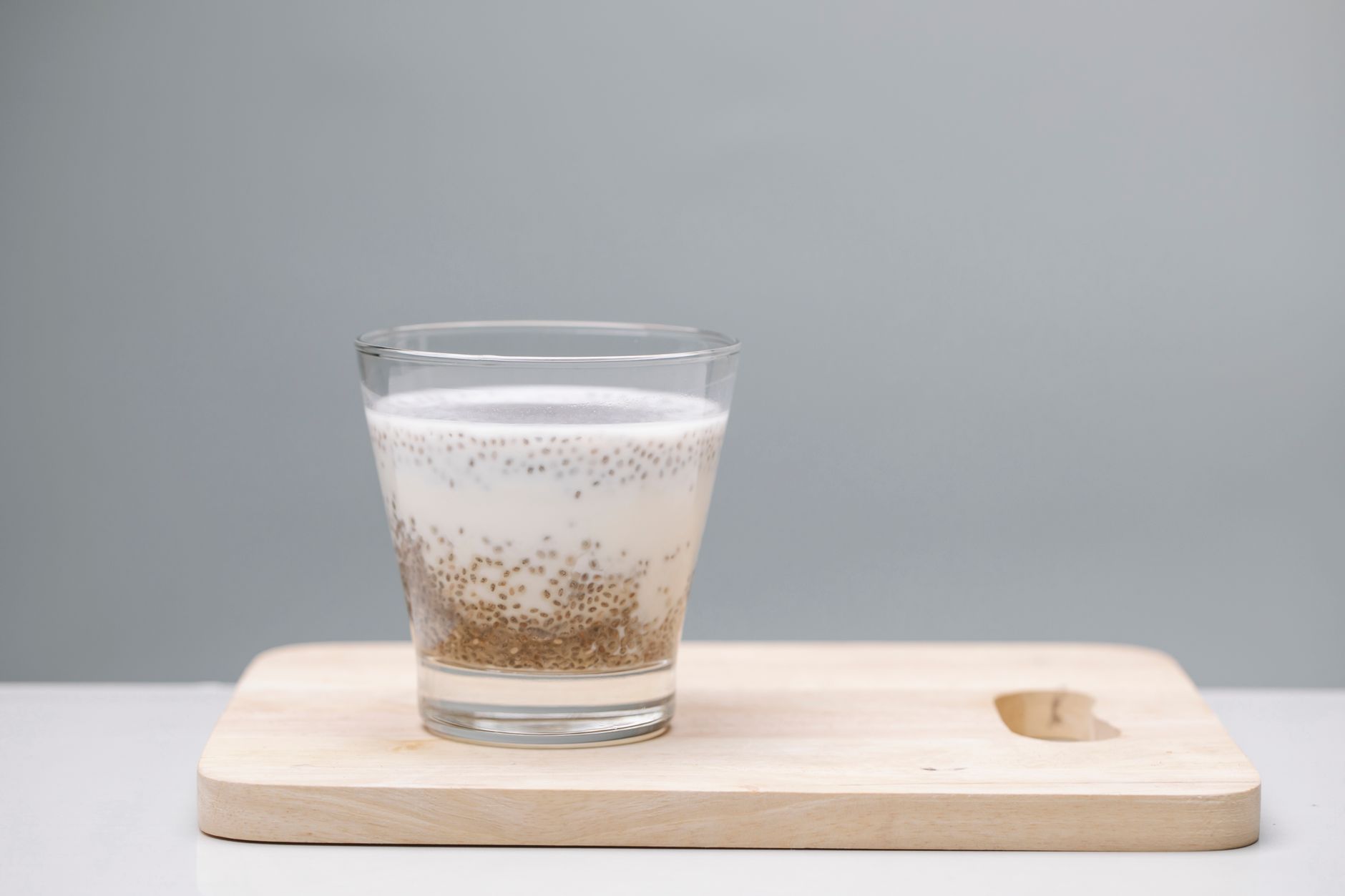
Chia seeds typically take approximately 10 to 20 minutes to expand when soaked in liquid. During this time, they absorb moisture and swell, forming a gel-like consistency that can be utilized in a variety of dishes. The expansion time can vary based on factors like the type of liquid used and the desired consistency.
Understanding Chia Seed Expansion
Chia seeds are unique among other seeds due to their high soluble fiber content. When exposed to liquid, they can absorb up to 12 times their weight in water. This characteristic makes them an exciting ingredient in health foods and an effective thickening agent in cooking.
The Science Behind Expansion
The outer layer of chia seeds is hydrophilic, meaning it attracts and holds onto water. When you soak chia seeds, they swell as they absorb the liquid, producing a gel-like texture. This gel is responsible for the seeds’ ability to thicken smoothies, puddings, and sauces.
Factors Affecting Expansion Time
While the standard soaking time for chia seeds is between 10 to 20 minutes, several factors can impact this duration:
- Liquid Type: Different liquids can affect the absorption rate. For example, chia seeds soak faster in warm liquids compared to cold ones.
- Seed Freshness: Fresher seeds might absorb water more effectively than older seeds that have lost some of their moisture-retaining properties.
- Desired Texture: Those seeking a thicker gel may choose to soak for longer, while a shorter soak will yield a more fluid consistency.
Soaking Techniques for Chia Seeds
Soaking chia seeds is a simple process but making sure to do it correctly is key to enhancing their culinary usability. Below are the steps and tips for soaking chia seeds effectively.
Basic Soaking Method
- Measure: Use a standard ratio of 1 part chia seeds to 4 parts liquid. For example, 1 tablespoon of chia seeds soaked in 4 tablespoons of water or milk.
- Mix: Combine chia seeds and liquid in a bowl or container. Stir well to prevent clumping.
- Let Soak: Allow the mixture to sit for 10 to 20 minutes at room temperature. Stir occasionally to ensure even absorption.
- Check Consistency: After soaking, check the gel-like consistency. For a thicker result, leave the seeds to soak longer or add slightly more chia seeds.
Overnight Soaking
A popular method is overnight soaking. This technique is perfect when you want chia seeds ready in advance. Here’s how:
- Combine: Mix 1 part chia seeds with 4 parts liquid.
- Seal: Place the mixture in a sealed jar or container and refrigerate.
- Enjoy: The next morning, the chia seeds will have expanded fully, making them ready for use in various recipes.
Common Culinary Uses for Chia Seeds
Chia seeds can be incorporated into a variety of dishes due to their versatility and health benefits. Here’s how you can use them in your meals:
Chia Pudding
One of the most popular uses for soaked chia seeds is making chia pudding. This simple, nutritious dish can serve as a breakfast or a healthy snack. Here’s a basic recipe:
- In a jar, combine 1/4 cup of chia seeds with 1 cup of your choice of milk (dairy or non-dairy).
- Add honey or maple syrup to taste, plus any flavorings like vanilla or cocoa powder.
- Stir well and cover. Place it in the refrigerator for at least 4 hours, preferably overnight.
- Enjoy chilled, topped with fruits, nuts, or granola.
Smoothie Thickener
Chia seeds can act as an excellent thickener for smoothies. Simply add soaked chia seeds to your favorite smoothie recipe to create a creamier texture.
Salad Dressings
Using chia gel in salad dressings is a great way to add thickness and nutrition. Blend soaked chia seeds with olive oil, vinegar, and spices for a wholesome dressing.
Energy Bars and Snacks
Chia seeds are a common ingredient in homemade energy bars. They add a nutritious crunch and help bind ingredients together. Combine oats, nut butter, honey, and soaked chia seeds to create a no-bake energy snack.
Chia Seed Substitutes
If you run out of chia seeds or are looking for alternatives, there are several options to consider:
- Flaxseeds: Ground flaxseeds can replicate the gel-like texture of chia seeds. Use a 1:1 ratio but note that flaxseed gel may take longer to form.
- Psyllium Husk: This can be used similarly to thicken smoothies and baked goods; however, it will yield a different texture.
- Gelatin: For a non-vegan option, gelatin can thicken mixtures but will not provide the same health benefits as chia seeds.
Common Mistakes and Troubleshooting
While using chia seeds is relatively straightforward, common mistakes can occur when preparing them. Here are some tips to avoid pitfalls:
Not Soaking Long Enough
One of the most frequent mistakes is not allowing the seeds to soak long enough. Ensure the seeds have enough time to absorb the liquid fully before consuming or using them in recipes.
Forgetting to Stir
Chia seeds can clump together if not stirred properly during the soaking process. Remember to stir well initially to ensure even distribution.
Using Too Much Liquid
When making chia pudding or gel, always follow the recommended ratios. Too much liquid can result in a soupy consistency rather than a thick gel.
Storage and Shelf Life of Chia Seeds
Chia seeds have a long shelf life when stored correctly. Here’s how to store them:
- Keep them sealed: Store chia seeds in an airtight container to protect against moisture and light.
- Cool and Dry: A cool, dry place works best; consider the refrigerator for optimal freshness.
- Expiration: Unopened chia seeds can last up to 2 years. Once opened, they should be consumed within 6 to 12 months.
Nutritional Benefits of Chia Seeds
Beyond their culinary uses, chia seeds offer numerous health advantages:
- Rich in omega-3 fatty acids, which promote heart health.
- High in dietary fiber that aids digestion and promotes satiety.
- A good source of plant-based protein.
- Contain essential minerals such as calcium, magnesium, and phosphorus.
Considerations for Dietary Needs
Though chia seeds are generally safe, it’s essential to consider any individual dietary needs or restrictions. Those with allergies or specific sensitivities should consult a healthcare professional before incorporating chia seeds into their diets.
Conclusion
Chia seeds are a unique, versatile ingredient ready to enhance your meals. The process of soaking chia seeds to expand them is simple and can transform how you use this superfood. By understanding how long it takes for chia seeds to expand and incorporating them into various recipes, you can enjoy their numerous health benefits and add interesting textures to your dishes.
For more information about chia seeds and their benefits, explore our articles on the benefits of chia seeds and how long they should soak.