
Parboiled rice is often a topic of confusion for many home cooks. Some might wonder if parboiled rice is considered brown rice, given its distinct cooking properties and appearance. Understanding the differences between these two types of rice can help you choose the best one for your meals and ensure optimal cooking results.
This article will clarify the differences between parboiled rice and brown rice, their nutritional profiles, cooking techniques, and appropriate kitchen uses. Whether you’re looking to enhance your meals or simply understand your pantry staples better, this guide will cover all you need to know about these rice varieties.
Is Parboiled Rice Brown Rice?
No, parboiled rice is not brown rice. While both types of rice undergo different processing methods, parboiled rice is usually white rice that has been partially boiled in the husk, while brown rice retains its bran and germ layers. This key difference in processing affects their flavor, texture, cooking time, and nutritional content.
Understanding Parboiled Rice
Parboiled rice, also known as converted rice, is white rice that has undergone a process that involves soaking, steaming, and drying the rice while it is still in its husk. This process allows the rice to partially absorb some of the nutrients from the bran and endosperm, which makes it more nutritious than regular white rice.
Processing Methods of Parboiled Rice
The parboiling process consists of three main steps:
- Soaking: Raw rice is soaked in water to help soften the grains.
- Steaming: The soaked rice is then steamed to begin cooking and to help drive nutrients from the bran into the endosperm.
- Drying: Once steamed, the rice is dried to reduce moisture content, making it ready for storage and cooking.
This process not only enhances the nutritional value but also improves the texture and reduces cooking time. As a result, parboiled rice typically has a firmer and less sticky texture compared to regular white rice, making it popular in dishes where distinct grains are desired.
Flavor and Texture of Parboiled Rice
Parboiled rice has a slightly nutty flavor and a firmer texture than standard white rice. The steaming process helps the grains retain more of their vitamins and minerals, providing a subtle depth of flavor that pairs well with a variety of dishes, including curries, stir-fries, and casseroles.
Nutritional Profile of Parboiled Rice
Parboiled rice has a nutritional profile that is superior to regular white rice but not as high as brown rice. It contains more fiber and nutrients due to the parboiling process. Here’s a comparison:
| Nutrient | White Rice (1 cup cooked) | Parboiled Rice (1 cup cooked) | Brown Rice (1 cup cooked) |
|---|---|---|---|
| Calories | 205 | 195 | 218 |
| Carbohydrates | 45g | 42g | 45g |
| Fiber | 0.6g | 1.8g | 3.5g |
| Protein | 4.3g | 4.5g | 5g |
| Minerals | Low | Moderate | High |
The increased fiber and nutrient content in parboiled rice makes it a healthier choice compared to white rice while still being less fibrous than brown rice.
Understanding Brown Rice
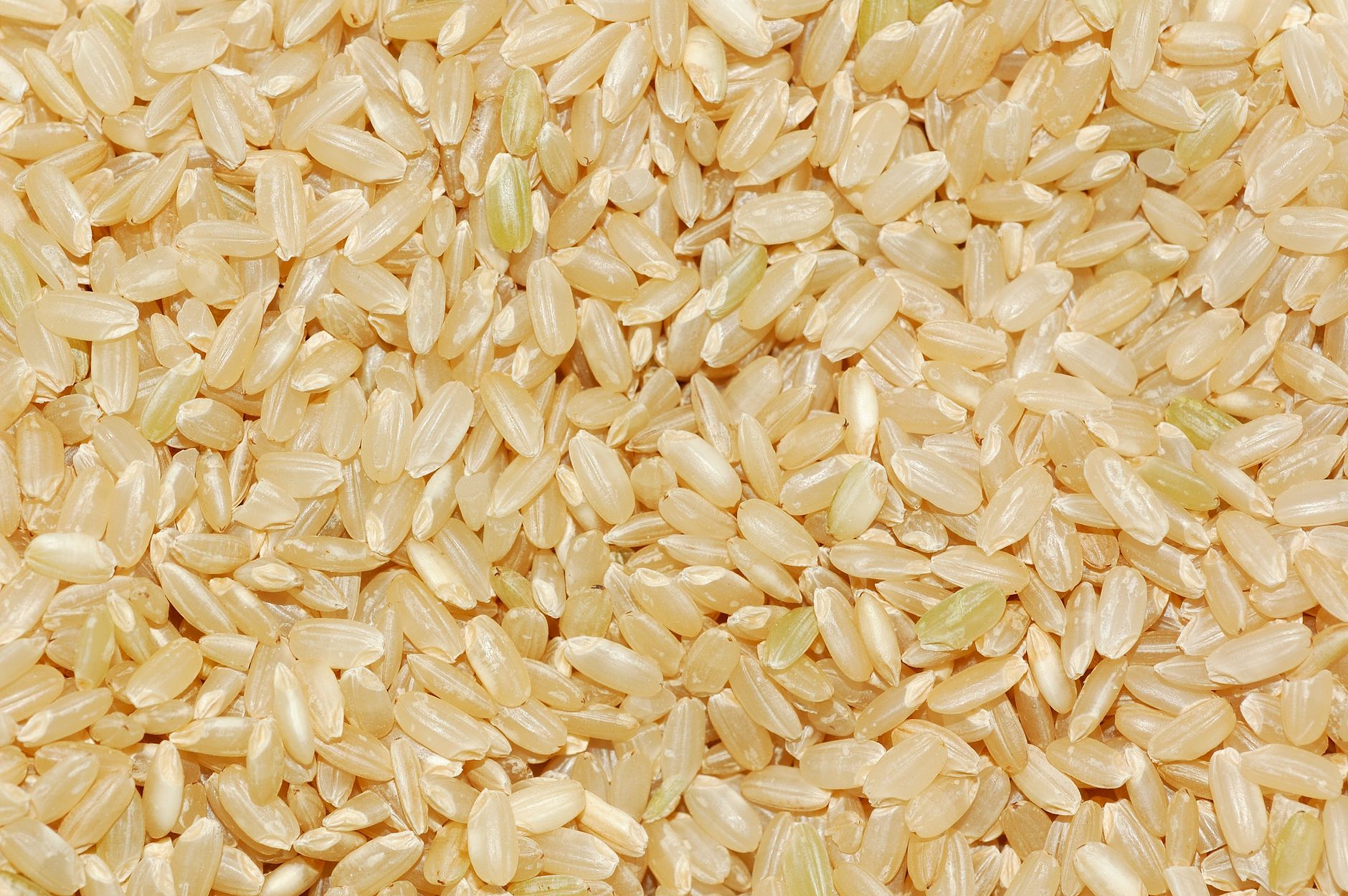
Brown rice is a whole grain that retains its bran and germ, which are removed in the milling process that converts brown rice into white rice. This retention is what gives brown rice its characteristic chewy texture and nutty flavor.
Benefits of Brown Rice
Brown rice is often favored for its health benefits, including:
- Fiber Content: Brown rice is higher in fiber, aiding digestion and providing a feeling of fullness.
- Vitamins and Minerals: It contains more vitamins and minerals, including magnesium, phosphorus, and B vitamins.
- Antioxidants: The bran layer is rich in antioxidants, which can help combat oxidative stress in the body.
Flavor and Texture of Brown Rice
Brown rice has a nuttier flavor and a chewy texture compared to both white and parboiled rice. The cooking process for brown rice is slightly longer, typically taking about 40-50 minutes, which can affect meal preparation time.
Cooking Parboiled Rice
Cooking parboiled rice is straightforward, but it does require proper attention to liquid ratios and cooking times to achieve the desired texture. Here’s how to do it:
Basic Cooking Instructions
- Measure the Rice: Start with 1 cup of parboiled rice.
- Rinse the Rice: Rinse the rice under cold water until the water runs clear to remove excess starch.
- Combine Water and Rice: Use a ratio of 2 cups of water for every cup of parboiled rice.
- Bring to a Boil: In a pot, bring water to a boil.
- Add Rice: Once boiling, add the rinsed rice and stir briefly.
- Simmer: Reduce the heat to low, cover the pot, and simmer for about 20-25 minutes.
- Rest: After cooking, remove from heat and let sit for 5 minutes before fluffing with a fork.
Cooking Tips
- For added flavor, consider sautéing onion or garlic in the pot before adding water and rice.
- Ensure the pot is covered tightly to prevent steam from escaping during cooking.
- If you prefer a firmer texture, reduce the cooking time by a few minutes.
Cooking Brown Rice
Brown rice requires a bit more cooking time and water compared to parboiled rice. Here’s how to cook brown rice effectively:
Basic Cooking Instructions
- Measure the Rice: Start with 1 cup of brown rice.
- Rinse the Rice: Rinse the rice under cold water until it runs clear.
- Combine Water and Rice: Use a ratio of 2.5 cups of water for every cup of brown rice.
- Bring to a Boil: In a pot, bring the water to a boil.
- Add Rice: Add rinsed rice and stir briefly.
- Simmer: Reduce heat to low, cover, and simmer for about 40-50 minutes.
- Rest: Allow it to sit covered for an additional 10 minutes before fluffing with a fork.
Cooking Tips
- Consider adding spices like bay leaves or herbs to the cooking water for added flavor.
- If using a rice cooker, the settings typically allow for brown rice, making it easier to achieve the perfect texture.
- Check for doneness as cooking times can vary based on rice variety.
Kitchen Uses for Parboiled Rice
Parboiled rice is incredibly versatile and can be used in various recipes. Here are a few popular uses:
- Casseroles: Its firm texture holds up well in baked dishes, making it ideal for casseroles.
- Stir-Fries: The distinct grains do not clump together, making parboiled rice perfect for stir-fries.
- Soups and Stews: It can be added to soups and stews without breaking apart easily.
Kitchen Uses for Brown Rice
Brown rice is equally versatile and can be utilized in many dishes, including:
- Salads: Its chewy texture adds a hearty element to grain salads.
- Sushi: It can be used in place of white rice for a whole grain alternative.
- Side Dishes: Brown rice can serve as a nutritious side dish, flavored with herbs and vegetables.
Substitutions and Variations
If you find yourself out of either rice variety, here are some suitable substitutions to consider:
- Substituting Parboiled Rice: Long-grain white rice can be swapped at a similar water and cooking ratio, but the flavor and nutrition will differ.
- Substituting Brown Rice: If brown rice is unavailable, consider using quinoa or barley for similar chewiness and fiber content.
Keep in mind that each substitution will alter the dish’s final flavor and texture, so adjust your cooking times and flavors correspondingly.
Storage and Shelf Life
Proper storage of rice is essential for maintaining freshness and preventing spoilage:
Storage Tips
- Store uncooked parboiled and brown rice in a cool, dry place in an airtight container.
- Cooked rice should be cooled quickly and can be stored in the refrigerator for up to 4-6 days.
- Both varieties can be frozen for longer storage; cooked rice can last in the freezer for up to 6 months.
Reheating Tips
When reheating cooked rice, it’s important to do so safely:
- Add a few tablespoons of water to the rice when reheating to prevent it from drying out.
- Use a microwave-safe container with a cover or reheat on the stovetop over low heat until warmed through.
Common Mistakes and Troubleshooting
When cooking parboiled or brown rice, some common mistakes can lead to unsatisfactory results:
Common Mistakes
- Not rinsing rice: Failing to rinse rice before cooking can result in excess starchiness.
- Incorrect water ratios: Using too much or too little water can affect the texture and doneness.
- Not allowing rice to rest: Skipping the resting step can yield mushy rice as it continues to cook from residual heat.
Troubleshooting Tips
If your rice doesn’t turn out as expected, here are a few tips:
- If rice is undercooked, add a little more water and continue cooking until tender.
- For overcooked rice, try to fluff it gently with a fork to separate the grains.
Understanding the differences and similarities between parboiled rice and brown rice can enhance your culinary skills, allowing for more delicious and nutritious meal preparations. Cooking with either variety opens up a world of flavors and textures, making it easier to prepare balanced meals that suit your diet and taste preferences.
Explore related recipes, cooking tips, or food guides such as our Instant Pot Brown Rice Recipe and Puerto Rican Rice Recipe for more ways to enjoy your rice dishes.