
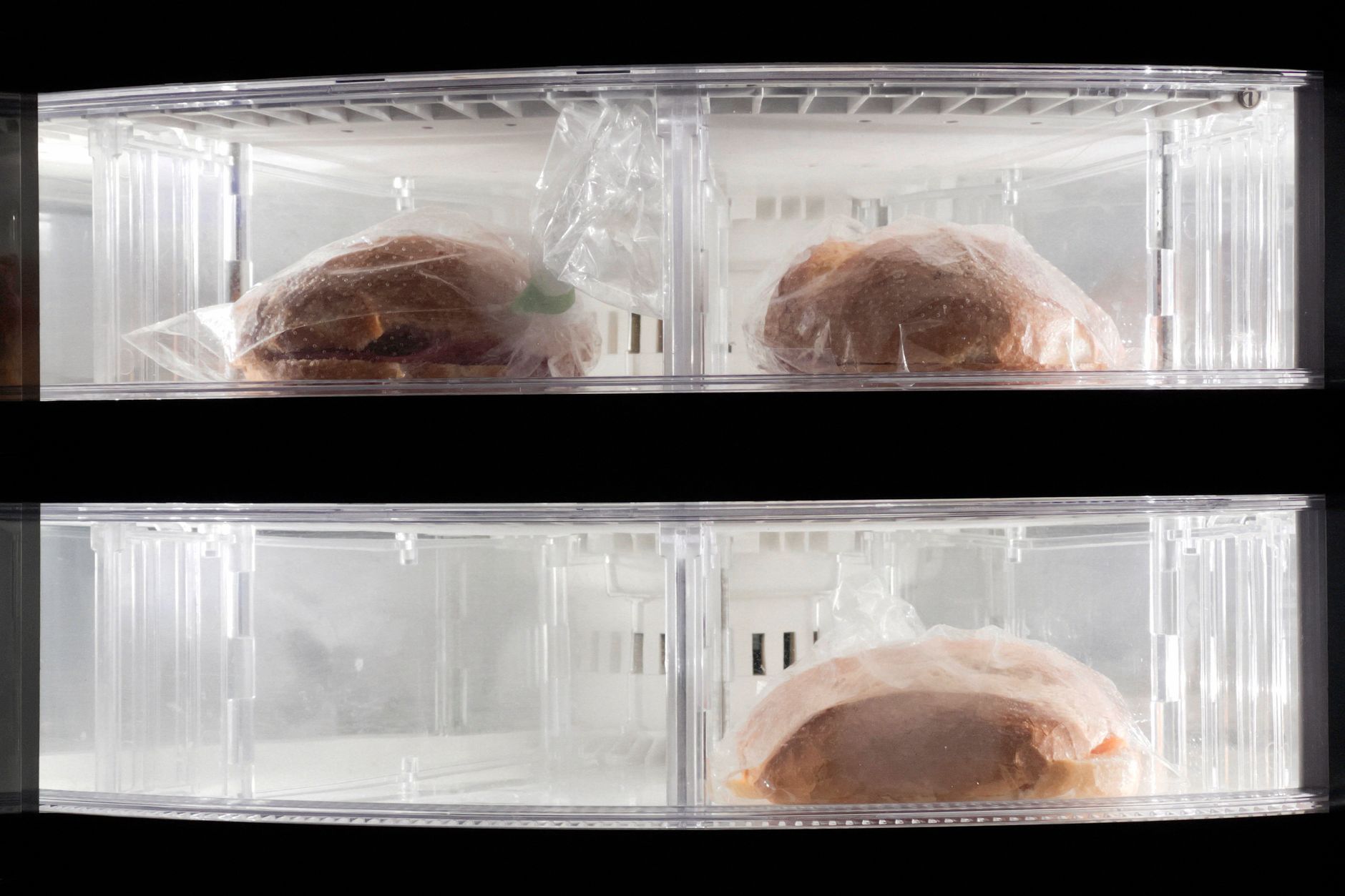
Understanding how long sandwiches can last in the fridge is essential for food safety and reducing waste. You want to enjoy your prepared meals without compromising your health. This guide will provide insights into various factors affecting a sandwich’s lifespan, optimal refrigeration methods, and tips to extend its freshness.
Whether it’s a packed lunch for work or a quick snack at home, knowing the right storage and handling techniques ensures that your sandwiches remain safe and delicious. Let’s dive into the specifics of how long a sandwich is good in the fridge and practical tips for keeping it fresh.
How Long Is a Sandwich Good in the Fridge?
A sandwich can typically last 3 to 5 days in the fridge, depending on the ingredients used, how it’s prepared, and how well it’s stored. It’s crucial to consider the individual components of the sandwich, as some may spoil faster than others.
Factors Affecting Sandwich Freshness
Several elements can impact the longevity of a sandwich in the refrigerator:
- Ingredients: Proteins like meats, seafood, and dairy products generally have a shorter shelf life than vegetables and spreads.
- Preparation: Sandwiches made with previously cooked ingredients can have varied shelf lives depending on their initial freshness.
- Storage Method: Proper wrapping and airtight containers can significantly extend the freshness of a sandwich.
- Temperature: Keeping the fridge at or below 40°F (4°C) is essential for food safety.
Common Ingredients and Their Shelf Life
Here’s a breakdown of common sandwich ingredients and how long they last when stored properly in the fridge:
| Ingredient | Shelf Life in the Fridge |
|---|---|
| Cooked Meats (e.g., turkey, ham, chicken) | 3 to 4 days |
| Processed Meats (e.g., salami, bologna) | 1 week (unopened); 3 to 5 days (opened) |
| Cheese | 1 week (grated cheese); 2 to 4 weeks (block cheese) |
| Vegetables (e.g., lettuce, tomatoes) | 3 to 5 days |
| Deli Spreads (e.g., mayo, mustard) | 3 to 4 months (unopened); 1 month (opened) |
| Fresh Herbs (e.g., basil, parsley) | 1 week |
Storage Techniques for Sandwiches
Proper storage is essential for maximizing the longevity of a sandwich. Here are some effective methods:
Wrapping Sandwiches
Using the right wrapping materials can help keep your sandwich fresh.
- Plastic Wrap: This provides an airtight seal that can help keep moisture out.
- Aluminum Foil: Offers good protection, but it’s less effective at preventing moisture loss compared to plastic wrap.
- Bags: Sealable plastic bags can also work well; just try to remove as much air as possible.
Using Airtight Containers
For added protection, consider using airtight containers:
- Make sure the sandwich is cool before placing it in a container to prevent condensation.
- Use slightly larger containers to avoid squishing the sandwich.
Signs of Spoilage
Knowing when a sandwich has gone bad is crucial for food safety. Look out for the following signs:
- Unpleasant Odor: A strong, off smell indicates spoilage.
- Texture Changes: Slimy or mushy bread can signal that the sandwich should be discarded.
- Mold: Any visible mold on the bread or ingredients means it’s time to throw it away.
How to Maximize Shelf Life
Here are some practical tips for extending the freshness of your sandwiches:
- Separate Ingredients: If possible, store wet ingredients (like tomatoes or pickles) separately to prevent soggy bread.
- Pre-slice Ingredients: If preparing in advance, consider slicing vegetables or meats just before you make the sandwich.
- Keep it Cold: Use an insulated lunchbox with ice packs when transporting a sandwich to ensure it stays out of the temperature danger zone.
Sandwich Types and Their Freshness
Different types of sandwiches have varying shelf lives. Understanding these can help you plan ahead.
Cold Sandwiches
Cold sandwiches, like ham and cheese or turkey clubs, last about 3 to 5 days. They usually contain cold cuts, cheese, and fresh vegetables.
Hot Sandwiches
Hot sandwiches, such as grilled cheese or meatball subs, are best enjoyed fresh. If refrigerated, they should be consumed within 2 to 3 days, as ingredients like melted cheese and meat can degrade faster.
Veggie Sandwiches
Veggie sandwiches typically last about 3 days. The freshness of vegetables can vary, so keep an eye on their appearance and odor.
Reheating Sandwiches
If you’ve stored a sandwich that can be reheated, here are some guidelines:
- Method: Use an oven or microwave. For best results, wrap the sandwich in foil when using the oven to keep it from drying out.
- Temperature: Ensure it reaches an internal temperature of 165°F (74°C) for safe consumption.
Storing Leftovers to Make Future Sandwiches
If you have leftover ingredients, here’s how to store them for future sandwiches:
- Meats: Cooked meats should be stored in airtight containers and can last up to 4 days in the fridge.
- Spreadable Ingredients: Keep spreads like mayo and mustard in their original containers, tightly sealed.
- Vegetables: Store washed and chopped vegetables in airtight bags or containers, and they can last up to a week.
Make-Ahead Sandwich Ideas
Here are several make-ahead sandwich ideas that are ideal for meal prep:
- Tuna Salad Sandwich: Made with canned tuna, mayo, and chopped celery, this can last about 3 days.
- Chicken Salad Sandwich: Similar to tuna, using cooked chicken and a creamy dressing gives you a fresh meal that lasts a few days.
- Caprese Sandwich: Mozzarella, tomatoes, and basil can be layered, but don’t add fresh basil until just before eating to keep it fresh.
Frequently Asked Questions
Can I freeze sandwiches for longer storage?
Yes, freezing sandwiches is a great way to extend their shelf life. Wrap them tightly in plastic wrap and then in aluminum foil. Most sandwiches can be frozen for about 1 to 3 months.
How can I make my sandwiches more enjoyable after refrigeration?
To revive flavor and freshness, consider reheating or toasting your sandwiches to give them a warm, crispy texture.
Can I make sandwiches with leftovers?
Absolutely! Utilizing leftovers is an excellent way to create delicious sandwiches while minimizing food waste. Just make sure to store them properly.
Conclusion
Understanding how long a sandwich is good in the fridge is key to ensuring both food safety and enjoyment of your meals. By considering the ingredients, storage methods, and signs of spoilage, you can confidently prepare meals without unnecessary waste. Remember to keep your sandwiches stored correctly and enjoy them within the recommended time frame!
For more practical food insights, check out our guides on how long cooked ground beef is good in the fridge and how long cooked chicken lasts. Happy sandwich making!