
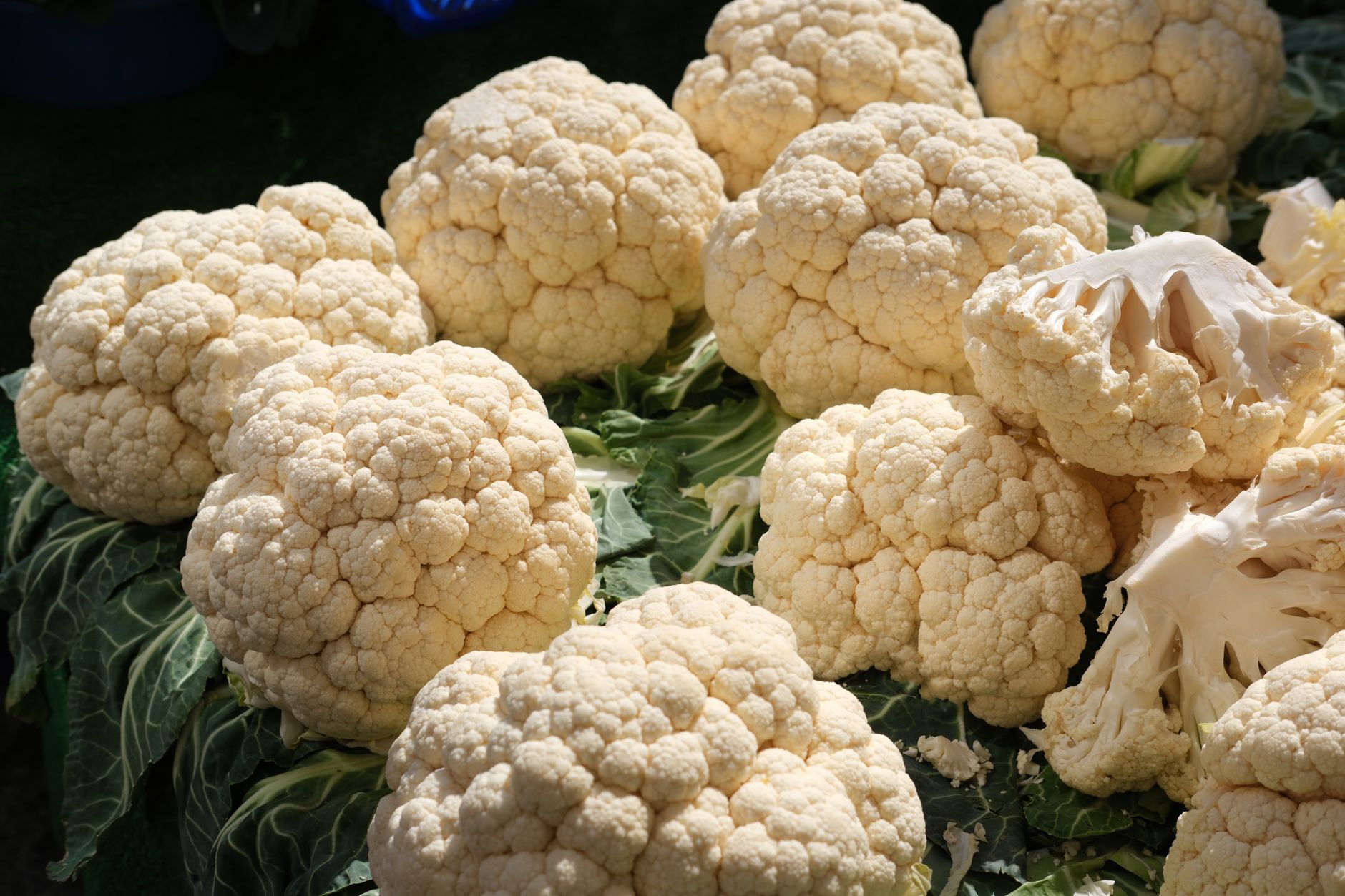
Cauliflower, once a humble vegetable often relegated to the background, has taken center stage in modern cuisine. With its versatility and unique ability to adapt to various dishes, it’s time to explore the question: is cauliflower healthy?
Rich in nutrients and low in calories, cauliflower is a great addition to a balanced diet. In this article, we’ll delve into its nutritional benefits, culinary uses, and practical cooking tips that showcase its potential as a healthy ingredient.
Is Cauliflower Healthy?
Yes, cauliflower is considered healthy due to its high nutrient content, low calorie count, and array of health benefits. It’s a great source of vitamins C, K, and B6, as well as fiber and antioxidants. Incorporating cauliflower into your diet can help support overall health.
Nutritional Profile of Cauliflower
To better understand why cauliflower is deemed healthy, let’s look at its nutritional components. On a standard serving of one cup (about 107 grams) of raw cauliflower, you’ll find:
| Nutrient | Amount |
|---|---|
| Calories | 25 |
| Protein | 2 grams |
| Fat | 0.3 grams |
| Carbohydrates | 5 grams |
| Fiber | 2 grams |
| Vitamin C | 77% of the RDI |
| Vitamin K | 20% of the RDI |
| Folate | 14% of the RDI |
| Vitamin B6 | 13% of the RDI |
These values highlight cauliflower as a nutrient-dense food that supports various bodily functions without a high caloric cost. It is particularly rich in antioxidants, which play a significant role in reducing inflammation and oxidative stress in the body.
Health Benefits of Cauliflower
1. Supports Digestive Health
The fiber content in cauliflower contributes to digestive health. Dietary fiber is essential for bowel regularity and can help prevent constipation. Additionally, fiber feeds the beneficial gut bacteria, promoting a healthier microbiome.
2. Aids in Weight Management
Because cauliflower is low in calories and high in fiber, it can be a valuable part of weight management strategies. Eating fiber-rich foods like cauliflower increases satiety, helping you feel fuller longer and may reduce overall calorie intake.
3. Promotes Heart Health
Cauliflower is rich in antioxidant compounds such as sulforaphane, which may help reduce inflammation and lower blood pressure. Eating a diet high in fruits and vegetables, including cauliflower, has been associated with a lower risk of heart disease.
4. Supports Bone Health
Cauliflower contains vitamin K, which plays a critical role in bone health by promoting calcium absorption. A diet that includes calcium and vitamin K can help support bone density and reduce the risk of osteoporosis.
5. May Help Prevent Certain Cancers
Some studies suggest that cruciferous vegetables, including cauliflower, contain compounds that may reduce the risk of certain cancers. While more research is needed, the presence of sulforaphane and indole-3-carbinol in cauliflower has garnered attention for potential anti-cancer properties.
Culinary Uses of Cauliflower
Cauliflower’s versatility makes it a popular choice in many cuisines. It can be roasted, boiled, steamed, or eaten raw to fit into various dishes. Here are some popular ways to include cauliflower in your cooking:
- Cauliflower Rice: A popular low-carb alternative to traditional rice, cauliflower rice can be made by grating or processing raw cauliflower into small pieces and then briefly cooking it.
- Mashed Cauliflower: A creamy, lower-calorie substitute for mashed potatoes, cauliflower can be boiled and then blended with butter, garlic, or other flavorings for a rich side dish.
- Roasted Cauliflower: Roasting brings out the natural sweetness of cauliflower. Seasoned and cooked in the oven, it can be a delicious side dish or main component of a meal.
- Cauliflower Steaks: Thick slices of cauliflower can be seasoned and grilled or roasted as a satisfying and hearty vegetarian option.
- Soups and Stews: Cauliflower can be added to soups and stews for added texture and nutrition, blending well with a variety of flavors.
Cooking Techniques for Cauliflower
Cauliflower can be prepared using various cooking techniques, each yielding different textures and flavors. Here are some methods to consider:
1. Steaming
Steaming is a gentle cooking method that preserves the nutrients in cauliflower while making it tender. To steam cauliflower:
- Cut the cauliflower into florets.
- Bring a pot of water to a boil and place a steaming basket over the pot.
- Add the cauliflower and cover the pot with a lid.
- Steam for about 5-7 minutes, or until the florets are fork-tender.
2. Roasting
Roasting gives cauliflower a caramelized flavor and crispy texture. Follow these steps for roasted cauliflower:
- Preheat the oven to 425°F (220°C).
- Toss cauliflower florets in olive oil, salt, pepper, and desired seasonings.
- Spread on a baking sheet in a single layer.
- Roast for 20-25 minutes, flipping halfway, until golden brown and tender.
3. Boiling
Boiling cauliflower can make it softer, which is perfect for blended dishes like soups. To boil:
- Bring a large pot of salted water to a boil.
- Add cauliflower florets and cook for about 3-5 minutes.
- Drain and rinse under cold water to stop cooking.
4. Grilling
Grilled cauliflower steaks or florets develop a smoky flavor and charred exterior. Here’s how:
- Slice cauliflower into thick steaks or keep florets whole.
- Brush with olive oil, salt, and pepper.
- Preheat the grill to medium-high heat.
- Grill for approximately 5-7 minutes per side, until grill marks appear.
5. Microwave
Microwaving is a quick method to cook cauliflower. Here’s a simple guideline:
- Cut cauliflower into florets and place them in a microwave-safe bowl.
- Add a small amount of water, cover, and microwave on high for about 3-5 minutes.
- Check for tenderness and microwave in additional 1-minute increments if necessary.
Common Mistakes to Avoid
While cooking with cauliflower is generally straightforward, here are common pitfalls to avoid:
- Overcooking: Cauliflower can easily become mushy. Pay attention to cook times and test for doneness to maintain a pleasant texture.
- Not seasoning adequately: Due to its mild flavor, cauliflower can benefit greatly from proper seasoning. Don’t hesitate to use herbs, spices, and acid to enhance its taste.
- Ignoring freshness: Choose cauliflower that has firm florets and vibrant leaves. Avoid heads with brown spots or wilting leaves to ensure optimal flavor and texture.
Storage and Reheating Guidelines
Proper storage and reheating can help maintain the quality of your cauliflower. Here’s how to store it:
Storage
- Fresh Cauliflower: Store whole heads of cauliflower in a perforated plastic bag in the refrigerator crisper drawer. Use within 4-7 days for optimal freshness.
- Cooked Cauliflower: Allow cooked cauliflower to cool completely, then store it in an airtight container in the fridge for 3-5 days.
Reheating
- Microwave: Reheat individual portions in the microwave on low power to prevent it from becoming rubbery.
- Oven: Preheat to 350°F (175°C) and heat for about 10-15 minutes, covered with foil to retain moisture.
- Stovetop: Sauté in a pan over low heat until warmed through.
Cauliflower in Special Diets
Cauliflower is particularly valuable in various dietary lifestyles:
- Low-Carb/Keto: Cauliflower serves as an excellent substitute for grains, making it suitable for low-carb or ketogenic diets.
- Vegetarian/Vegan: Its versatility allows for use in numerous plant-based recipes, providing nutrients and filling meals.
- Gluten-Free: Naturally gluten-free, cauliflower is perfect for those with gluten sensitivities or celiac disease.
Conclusion
Cauliflower is undoubtedly a healthy addition to your diet. Its rich nutritional profile, versatility in cooking, and array of health benefits make it a standout vegetable. Embrace cauliflower not just as a side dish, but as a primary ingredient in various meals to reap its benefits.
Now that you understand the health aspects of cauliflower, consider trying new recipes, explore different cooking methods, or incorporate it into your meal plan. Whether it’s a base for cauliflower rice or a roasted side, this vegetable has something to offer everyone.
Explore more culinary insights and recipes, including delicious vegetable dishes, healthy meal prep ideas, and inventive ingredient substitutions to enhance your meals.