
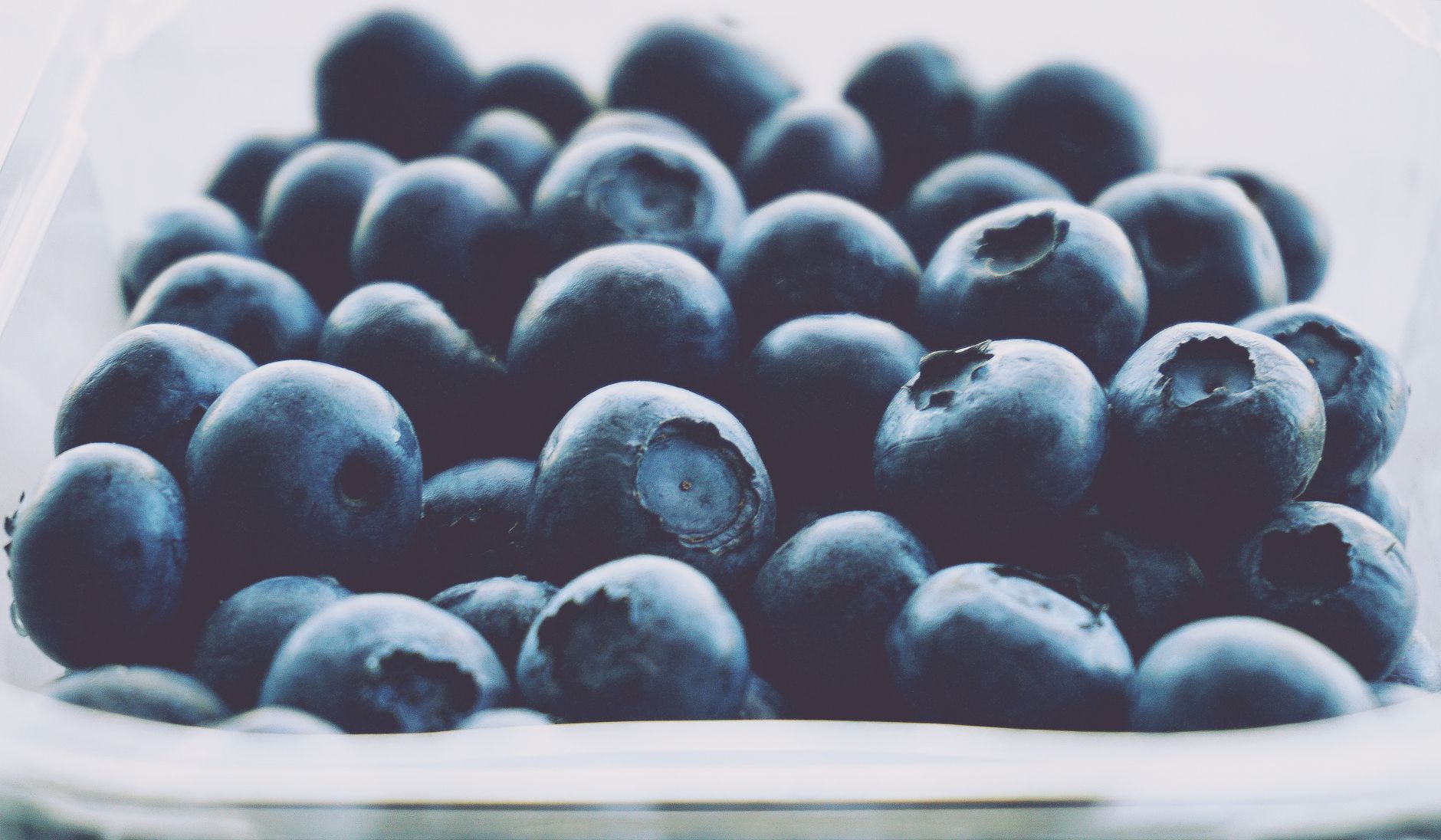
Blueberries are a beloved fruit, known for their sweet flavor and vibrant color. Whether enjoyed fresh, in baked goods, or as part of a nutritious snack, these little berries are a versatile addition to any meal. But how long do blueberries last in the fridge? Understanding their shelf life and storage methods can help you maximize their freshness and flavor.
This guide will explore the factors influencing blueberry longevity, optimal storage techniques, and tips for making the most of these delicious berries while they last. We will also discuss signs of spoilage and how to store blueberries properly to extend their freshness.
How Long Do Blueberries Last in Fridge?
Fresh blueberries typically last about 5 to 10 days in the refrigerator when stored properly. Various factors, such as their ripeness at purchase and how they are stored, can affect their shelf life. With proper care, you can enjoy them at their finest for an extended period.
Factors Affecting the Shelf Life of Blueberries
Several factors can impact how long blueberries will stay fresh in the fridge:
- Ripeness at Purchase: The fresher and more perfect the blueberries are when you buy them, the longer they will last. If they are already overripe, they may spoil sooner.
- Storage Conditions: The temperature and humidity in your refrigerator can significantly affect blueberry longevity. Storing them at a consistent, cool temperature is key.
- Moisture Exposure: Excess moisture can lead to mold growth and spoilage, making it crucial to keep blueberries dry during storage.
- Packaging: How blueberries are packaged—even whether they are in a plastic clamshell, paper container, or loose—can influence their moisture retention and airflow.
Best Ways to Store Blueberries
To maintain the freshness and extend the shelf life of blueberries, follow these storage tips:
1. Refrigeration
The refrigerator is the best place to store blueberries. Here’s how to do it:
- Avoid Washing Until Ready to Eat: It’s best to leave blueberries unwashed until you are ready to consume them to prevent excess moisture and mold growth.
- Store in their Original Packaging: If possible, keep blueberries in their clamshell packaging or paper container, as this allows for proper ventilation.
- Add Paper Towels: Lining the bottom of the container with a paper towel can also help absorb any excess moisture.
- Keep the Fridge at the Right Temperature: A consistent temperature of 32 to 34 degrees Fahrenheit (0 to 1 degree Celsius) is ideal for storing blueberries.
2. Freezing Blueberries for Long-Term Storage
If you want to store blueberries for a longer duration, freezing them is an excellent option. Here’s how you can freeze blueberries effectively:
- Wash and Dry: Rinse blueberries gently under cold water and pat them dry thoroughly with a paper towel to eliminate moisture.
- Flash Freeze: Spread the blueberries out on a lined baking sheet in a single layer and freeze them for a few hours until solid. This step prevents the berries from clumping together.
- Transfer to Containers: Once frozen, transfer the blueberries to airtight freezer bags or containers. Remove as much air as possible before sealing.
- Label and Date: Label each container with the date and type of fruit to help keep track of storage times.
Frozen blueberries can last about 6 to 12 months in the freezer without significant loss of quality.
Signs of Spoilage in Blueberries
Identifying spoiled blueberries is crucial for food safety and quality. Here are some signs to watch out for:
- Mold: If you see mold on blueberries, it is best to discard them entirely.
- Wrinkling or Softness: While fresh blueberries should be plump and firm, if they become wrinkled, mushy, or soft, they are likely past their prime.
- Unpleasant Odor: A foul smell is a clear indication that the blueberries have gone bad.
How to Use Blueberries Before They Spoil
To make the most of your blueberries, consider incorporating them into delicious meals or snacks. Here are some ideas:
1. Blueberry Smoothies
Blend fresh or frozen blueberries with yogurt, spinach, or almond milk for a nutritious smoothie packed with antioxidants.
2. Baking with Blueberries
Blueberries are an excellent addition to baked goods. Use them in muffins, pancakes, or as a topping for cakes and pastries. Check out our blueberry cookie recipe for a delightful treat!
3. Salads and Dressings
Add blueberries to salads for a sweet burst of flavor, or blend them into dressings for a unique twist.
4. Homemade Jams and Sauces
Make homemade blueberry jam or sauce to preserve the flavor of your blueberries and use it in various dishes and desserts.
Common Mistakes When Storing Blueberries
A few common pitfalls can prevent blueberries from staying fresh. Avoid these mistakes:
- Washing Before Storing: As mentioned earlier, washing blueberries before storage can introduce moisture that leads to spoilage.
- Storing in the Wrong Container: Avoid sealed plastic bags for storing fresh blueberries as this traps moisture and can increase the risk of mold.
- Ignoring Storage Alerts: If you notice any signs of spoilage, consume the berries or discard them immediately to avoid food waste.
How Long Do Different Types of Blueberries Last?
While most of this article focuses on common blueberries, it’s worth noting that various types of blueberries can have slightly different shelf lives:
- Wild Blueberries: These are often smaller and can be more delicate than cultivated varieties, lasting about 4 to 7 days in the fridge.
- Cultivated Blueberries: These are what you typically find in grocery stores and can last about 5 to 10 days when stored properly.
- Organic Blueberries: They may have a shorter shelf life due to less chemical treatment, so it’s essential to store them carefully and consume them sooner.
Blueberry Trivia: Nutritional Benefits and Uses
Besides being delicious, blueberries have numerous health benefits. They are high in antioxidants and vitamins, making them a great choice for supporting overall health. Here are some key nutritional highlights:
- Low Calorie: With only about 80 calories per cup, blueberries make a nutrient-dense snack.
- High in Fiber: Blueberries provide dietary fiber, which can assist with digestion and promote gut health.
- Rich in Antioxidants: The antioxidants in blueberries, particularly anthocyanins, have been linked to various health benefits.
They can be enjoyed in a variety of ways, making them an easy addition to smoothies, breakfast yogurt, or desserts.
Conclusion
Knowing how long blueberries last in the fridge and how to store them properly can help minimize waste and enhance your culinary experiences. Aim to consume fresh blueberries within 5 to 10 days and consider freezing them for longer storage. Enjoy their natural sweetness in any number of recipes, from smoothies to baked goods.
If you’re interested in exploring more about the lifespan of blueberries or discovering delicious recipes, visit our guide on how long do blueberries last.