
Picture the sun setting over a peaceful beach, the salty breeze gently tousling your hair while the tantalizing aroma of grilled fish fills the air. This Mahi-Mahi Recipe is not just a dish; it’s a delightful escape to warmer shores. With its flaky texture and mild flavor, mahi-mahi is incredibly versatile, making it perfect for a quick weeknight dinner or a fancy gathering. The best part? It cooks up in no time at all, giving you more moments to enjoy the company of family and friends. Let’s get started on this delicious journey!
Why You’ll Love This Recipe
This mahi-mahi dish is a must-try for several reasons.
- Quick and easy to prepare, perfect for busy weeknights.
- Flavors that transport you to a tropical paradise.
- Healthy and rich in omega-3 fatty acids.
- Versatile enough to pair with various sides.
- Impressive enough to serve at dinner parties.
My Experience Making This Recipe
Making this mahi-mahi recipe brought back memories of summer barbecues by the coast. The moment I took the first bite, I was reminded of the ocean breeze and the laughter of friends.
My family devoured it, asking for seconds, which is always the best compliment. It’s amazing how something so simple can create such joy around the dinner table.
Recipe Overview
- Recipe Name: Mahi-Mahi Recipe
- Servings: 4
- Prep Time: 10 minutes
- Cook Time: 15 minutes
- Total Time: 25 minutes
- Course: Main Course
- Cuisine: Seafood
- Calories per Serving: 220
Equipment You Will Need
- Non-stick skillet or grill
- Spatula
- Measuring spoons
- Measuring cups
- Serving platter
Ingredients for Mahi-Mahi Recipe
- 4 mahi-mahi fillets
- 2 tablespoons olive oil
- 1 teaspoon garlic powder
- 1 teaspoon paprika
- 1 teaspoon lemon zest
- Salt and pepper to taste
- 1 lemon, sliced (for serving)
Ingredient Notes and Substitutions
- Mahi-Mahi: This fish is firm and flaky, making it ideal for grilling. You can substitute with snapper or halibut for a similar texture.
- Olive Oil: It adds richness and helps to achieve a beautiful sear. Avocado oil can be used for a higher smoke point.
- Garlic Powder: Provides a robust flavor that complements the fish. Fresh minced garlic can be used instead for a fresher taste.
- Paprika: Adds color and a mild smoky flavor. You can opt for smoked paprika for an extra depth of flavor.
How to Make Mahi-Mahi Recipe
Step 1: Prepare the Mahi-Mahi
Pat the mahi-mahi fillets dry with paper towels to remove excess moisture. This helps achieve a nice sear when cooking.
Step 2: Season the Fillets
In a small bowl, mix together olive oil, garlic powder, paprika, lemon zest, salt, and pepper. This seasoning blend will enhance the fish’s natural flavors.
Step 3: Coat the Fish
Brush the seasoning mixture onto both sides of each fillet. Make sure they are evenly coated for consistent flavor.
Step 4: Preheat the Skillet or Grill
Heat your non-stick skillet or grill over medium-high heat. A hot cooking surface ensures a lovely sear.
Step 5: Cook the Mahi-Mahi
Place the fillets in the skillet or on the grill. Cook for about 4-5 minutes per side, or until the fish flakes easily with a fork.
Step 6: Check for Doneness
Use a fork to check if the fish flakes easily. Mahi-mahi should reach an internal temperature of 145°F for safety.
Step 7: Remove from Heat
Once cooked, remove the fillets from the heat and let them rest for a minute. This allows the juices to redistribute.
Step 8: Serve and Enjoy
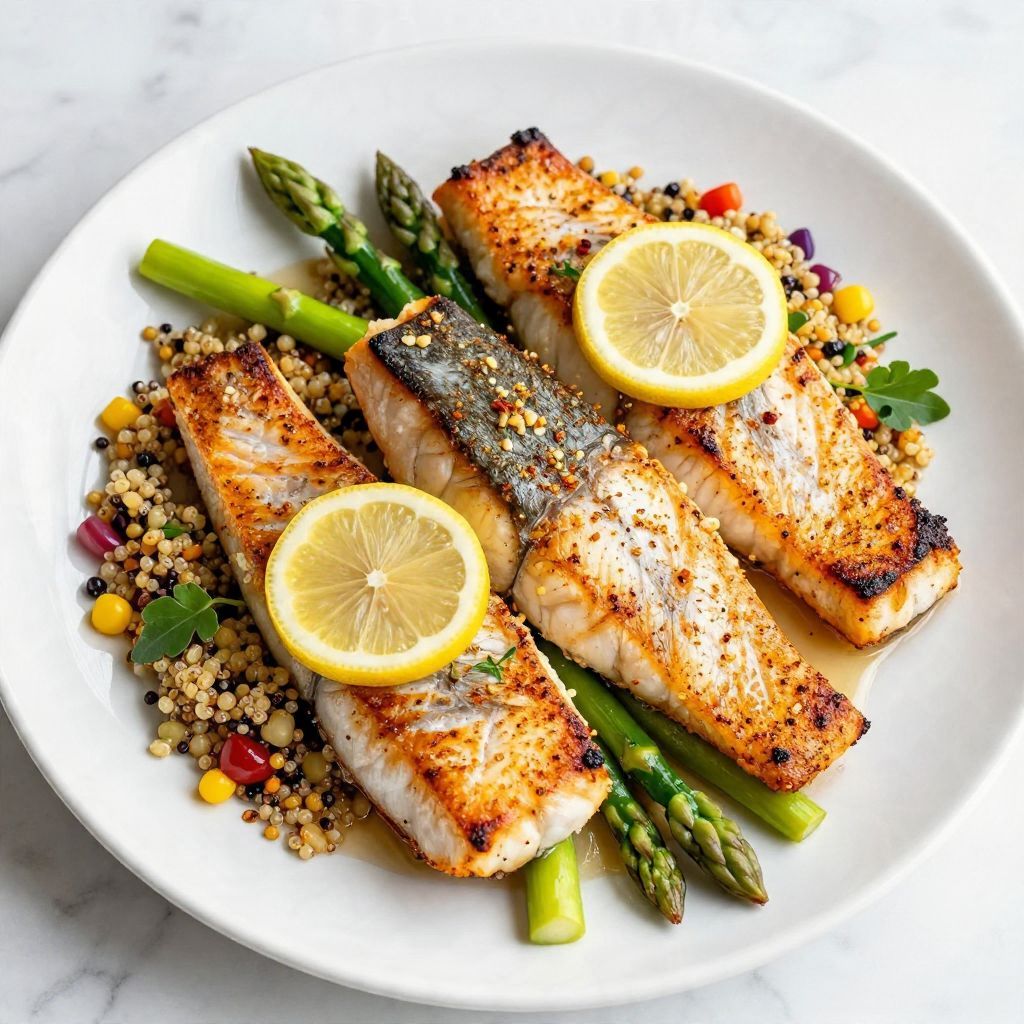
Plate the mahi-mahi fillets and garnish with lemon slices. This adds a refreshing burst of flavor that pairs perfectly with the fish.
Pro Tip: For an extra touch, marinate the fillets for 30 minutes in the seasoning mixture before cooking for deeper flavor.
Tips for the Best Mahi-Mahi
- Always start with fresh mahi-mahi for the best flavor and texture.
- Don’t overcrowd the pan or grill; give the fillets space to cook evenly.
- Let the fish rest after cooking to enhance juiciness.
- Experiment with different spices to tailor the flavor to your taste.
- Pair with a light salad or steamed veggies for a complete meal.
Common Mistakes to Avoid
- Using frozen fish without thawing: This can lead to uneven cooking and a less desirable texture.
- Not drying the fillets: Moisture prevents a good sear and can make the fish soggy.
- Overcooking the fish: This can result in dry, chewy mahi-mahi; keep an eye on cooking times.
- Skipping the seasoning: Mahi-mahi benefits greatly from seasoning, so don’t skip this step.
Serving Suggestions
This mahi-mahi is delightful on its own but pairs beautifully with several sides.
- Quinoa salad for a hearty option.
- Steamed asparagus for a fresh touch.
- Coconut rice for a tropical vibe.
- Vegetable stir-fry for added crunch.
Variations to Try
- Add a spicy kick by including cayenne pepper in the seasoning mix.
- Serve with a mango salsa for a fruity contrast.
- Use a citrus marinade with orange juice for a different flavor profile.
- Top with a garlic butter sauce for a rich twist.
Dietary Adaptations
- Gluten-free: Naturally gluten-free, just ensure your seasoning is gluten-free.
- Dairy-free: This recipe is dairy-free as is.
- Low-carb/Keto: Perfect for low-carb diets; pair with non-starchy vegetables.
Storage and Reheating
Refrigerator
Store any leftovers in an airtight container in the refrigerator.
- Use within 2-3 days for best quality.
- Reheat gently to avoid overcooking.
Freezer
You can freeze cooked mahi-mahi, although fresh is best.
- Wrap tightly in foil or plastic wrap and place in a freezer-safe bag.
- Use within 1-2 months for optimal flavor.
Reheating
Reheat in the microwave or on the stovetop over low heat.
- Add a splash of water to keep it moist.
- Check for doneness to prevent drying out.
Nutrition Information
| Nutrient | Amount |
|---|---|
| Calories | 220 |
| Total Fat | 10g |
| Saturated Fat | 1.5g |
| Carbohydrates | 0g |
| Fiber | 0g |
| Sugar | 0g |
| Protein | 30g |
| Sodium | 80mg |
| Cholesterol | 90mg |
Nutrition information is approximate and may vary based on specific ingredients used.
Frequently Asked Questions
Can I use frozen mahi-mahi for this recipe?
Yes, but make sure to thaw it completely before cooking for the best results.
Can I prepare the mahi-mahi ahead of time?
Yes, you can marinate it up to an hour before cooking for enhanced flavor.
How should I store leftovers?
Store in an airtight container in the fridge for up to three days.
What should I do if the fish is tough?
It may have been overcooked; aim for an internal temperature of 145°F for perfect tenderness.
What can I serve with mahi-mahi?
It pairs well with a variety of sides like rice, veggies, or salads.
Final Thoughts
This Mahi-Mahi Recipe is a delightful way to bring a taste of the tropics to your table. With its quick prep and cooking time, it’s perfect for both everyday meals and special occasions.
So, gather your ingredients and give this recipe a go. You won’t regret it! And if you’re looking for more seafood inspiration, check out this oven-baked mahi-mahi recipe or try this seared ahi tuna recipe for a scrumptious twist.
Mahi-Mahi Recipe
Ingredients
Equipment
Method
- Pat the mahi-mahi fillets dry with paper towels to remove excess moisture.
- In a small bowl, mix together olive oil, garlic powder, paprika, lemon zest, salt, and pepper.
- Brush the seasoning mixture onto both sides of each fillet.
- Heat your non-stick skillet or grill over medium-high heat.
- Place the fillets in the skillet or on the grill, cooking for about 4-5 minutes per side.
- Check if the fish flakes easily and reaches an internal temperature of 145°F.
- Once cooked, remove the fillets from the heat and let them rest for a minute.
- Plate the mahi-mahi fillets and garnish with lemon slices.