
Many tea enthusiasts often wonder about the distinctions between matcha and green tea. While both originate from the same plant, Camellia sinensis, their preparation and consumption can be quite different. Understanding these differences can enhance your appreciation for each type and help you decide which is the right choice for your palate or wellness routine.
This article explores the essential differences between matcha and green tea, their unique characteristics, culinary uses, and how to incorporate them into your diet. Whether you are a tea lover or merely curious, this guide will provide valuable insights into these two beloved beverages.
Is Matcha the Same as Green Tea?
Matcha and green tea are not the same, despite both being derived from the same tea plant. The key differences lie in their growing conditions, processing methods, flavor profiles, and nutritional content. Matcha refers to a powdered form of green tea where the whole leaf is consumed, while green tea usually involves steeping leaves in water, resulting in a beverage that does not contain the entire leaf.
Understanding Green Tea
Green tea is one of the most popular types of tea worldwide. It’s typically made from young leaves that have been quickly steamed or pan-fired to prevent oxidation, preserving their green color and fresh taste. Here’s a closer look at the characteristics of green tea:
Types of Green Tea
There are multiple varieties of green tea, each with its unique flavor, aroma, and health benefits. Some popular types include:
- Sencha: A frequently consumed green tea in Japan, Sencha has a fresh, grassy flavor.
- Gyokuro: Known as “jade dew,” Gyokuro is shaded before harvest, resulting in a sweeter, umami taste.
- Bancha: A lower-grade tea, Bancha has a more robust flavor and is usually harvested later in the season.
- Dragon Well (Longjing): A renowned Chinese green tea with a flat, pan-fried leaf, recognized for its nutty flavor.
Brewing Green Tea
Brewing green tea properly will bring out its full flavor potential. Here are some key steps for an optimal brewing experience:
- Heat Your Water: Use water heated to around 160°F to 180°F (70°C to 80°C) to avoid bitterness.
- Measure the Tea: Use approximately one teaspoon of green tea leaves per 8 ounces of water.
- Steep: Allow the tea to steep for 2 to 3 minutes. Adjust the time according to your taste preference.
- Enjoy: Strain the leaves and enjoy your freshly brewed green tea, hot or iced.
Diving into Matcha
Matcha has gained considerable popularity, especially among health-conscious individuals. This finely ground powder of specially grown green tea leaves offers a distinct set of qualities that set it apart.
How Matcha is Grown and Processed
The process of growing and harvesting matcha differs significantly from that of traditional green tea:
- Shading: The tea plants are shaded for several weeks before harvest, enhancing their chlorophyll content and developing a sweeter flavor.
- Harvesting: Only the youngest, most tender leaves are selected, carefully hand-picked for quality.
- Grinding: The leaves are then dried and stone-ground into a fine powder, which is what you use for matcha.
Flavor Profile of Matcha
Matcha has a unique flavor profile, characterized by a rich, creamy texture and a slightly sweet, umami taste. The shading process and whole-leaf consumption contribute to its distinct flavor and aroma, which can range from vegetal to earthy.
Preparing Matcha
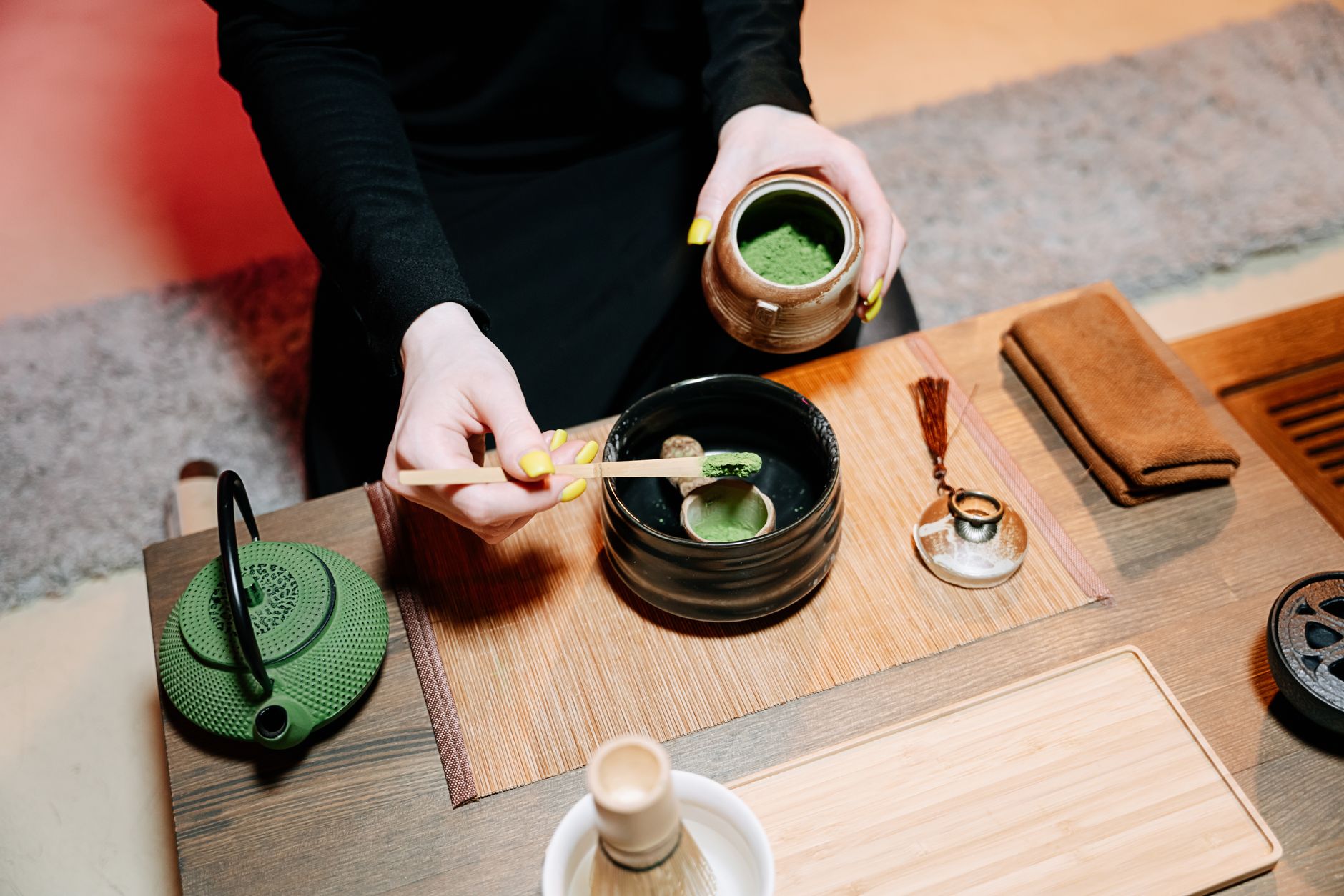
To prepare matcha, you’ll need water, a whisk (or a frother), and a bowl or cup. Here’s a basic method to enjoy matcha:
- Measure: Use about 1 to 2 teaspoons of matcha powder, depending on how strong you want your drink.
- Water Temperature: Heat water to about 175°F (80°C) to preserve the flavor.
- Whisk: Add the water gradually, whisking vigorously in a zigzag motion until the mixture is frothy with no lumps.
- Enjoy: Drink matcha straight or use it in lattes, smoothies, or desserts!
Nutritional Differences Between Matcha and Green Tea
Both matcha and green tea offer health benefits due to their rich antioxidant content, primarily catechins. However, the nutritional profiles differ due to how each is consumed:
- Antioxidants: Matcha has a higher concentration of antioxidants since the entire leaf is consumed, which can make it more potent than steeped green tea.
- Caffeine Content: Matcha generally contains more caffeine than green tea because it’s made from the whole leaf, providing a longer-lasting energy boost.
- L-theanine: This amino acid is present in both matcha and green tea, promoting relaxation and counteracting the jittery effects of caffeine.
Common Culinary Uses
Both matcha and green tea have versatile culinary applications, each bringing unique flavors to various dishes. Here are some ideas on how to use each:
Using Green Tea in the Kitchen
Green tea can enhance flavors in both savory and sweet dishes:
- Add brewed green tea to sauces and marinades for meats.
- Use green tea in rice or grain dishes for additional flavor.
- Incorporate green tea powder in desserts, such as ice cream or custards.
Creative Ways to Incorporate Matcha
Matcha’s vibrant color and flavor make it a perfect choice for various culinary creations:
- Use matcha powder in smoothies for an antioxidant boost.
- Incorporate matcha into baked goods like muffins, cookies, or cakes.
- Create matcha lattes by mixing it with steamed milk or milk alternatives.
- Try matcha in savory dishes and dressings for a unique twist.
Health Benefits: Comparing Matcha and Green Tea
Both matcha and green tea are associated with numerous health benefits, but their effectiveness can vary:
- Weight Management: Both may support metabolism and fat oxidation; matcha’s higher antioxidant concentration can enhance these effects.
- Cognitive Function: The combination of caffeine and L-theanine in both teas helps improve focus and mental clarity.
- Heart Health: Regular consumption of green tea is linked to improved heart health, while matcha’s higher antioxidant content can amplify this benefit.
Choosing the Best Quality Tea
Purchasing high-quality tea is essential to fully enjoy matcha and green tea. Here’s how to choose the best options:
How to Select Green Tea
- Look for whole leaves rather than broken or powdered to ensure freshness.
- Check the packaging date – fresher tea will provide better flavor.
- Opt for a reputable brand, especially one sourced from specific regions known for quality, like Japan or China.
Selecting Quality Matcha
- Choose ceremonial grade matcha for drinking, as it is made from the youngest leaves and has a smoother flavor.
- Inspect the color – quality matcha should have a vibrant green color, indicating high chlorophyll content.
- Beware of matcha blends that may contain additives or fillers.
Common Misconceptions
Understanding these two types of tea can help dispel some common myths attached to them:
- Myth: Matcha and green tea taste the same. In reality, matcha is richer and creamier, while green tea is more subtle and astringent.
- Myth: Matcha is always better for you. While matcha is nutritionally dense, both have their own unique benefits depending on individual preferences and dietary needs.
- Myth: You can use any green tea leaves for matcha. Only specific varieties of shade-grown green tea are suitable for making matcha.
Making the Right Choice for Your Lifestyle
When deciding whether to choose matcha or green tea, consider your lifestyle, taste preferences, and desired effects:
- If you enjoy bold flavors and want the added benefits of antioxidants, matcha may be a perfect choice.
- If you prefer lighter flavors or a more traditional tea experience, stick with green tea.
- Incorporating both into your diet can provide varied health benefits and delightful options for different occasions.
Practical Tips for Storage
Proper storage is crucial for maintaining the freshness of both green tea and matcha:
Storing Green Tea
- Keep in an airtight container, away from light and humidity.
- Store in a cool, dark place, such as a pantry.
- Use within six months to a year for the best flavor.
Storing Matcha
- Store in an airtight container, ideally in a refrigerator to maintain potency.
- Keep away from light and moisture, as these can degrade quality.
- Use within three months for optimal flavor and nutrients.
Conclusion
Matcha and green tea, while different, each hold unique flavors and health benefits. Knowing their distinctions can enhance your tea experience. Whether you opt for a rich cup of matcha or a warm brew of green tea, both will offer enjoyment and wellness. Consider experimenting with both in your diet to fully explore their flavors and benefits, making each tea moment unique.
Explore more delicious ways to enjoy matcha with recipes like Matcha Tiramisu or try a refreshing Strawberry Matcha for a delightful twist!