
There’s something incredibly comforting about the aroma of roasted cabbage wafting through the kitchen. This Cabbage Boil Recipe In Oven transforms humble cabbage into a delightful dish that surprises with its tender texture and savory flavor. It’s a simple yet satisfying recipe that pairs beautifully with various proteins or can shine as a vegetarian delight on its own. With its ease and versatility, this dish has become a staple in my kitchen, perfect for busy weeknights and family gatherings alike. Let’s dive into the details of making this delicious cabbage dish.
Why You’ll Love This Recipe
This recipe is a true winner for many reasons.
- Simple prep and cooking in the oven.
- Rich, roasted flavor with minimal effort.
- Perfectly tender texture that complements any meal.
- Versatile for serving with meat or as a stand-alone dish.
- Great for meal prep or leftovers.
My Experience Making This Recipe
When I first tried baking cabbage, I was skeptical. Would it really be good? But as soon as I pulled that pan from the oven, the sweet scent enveloped me, and I was hooked.
My family couldn’t get enough of the crispy edges and tender leaves. It quickly became a go-to dish that everyone asks for, and I love how it’s both nourishing and satisfying.
Recipe Overview
- Recipe Name: Cabbage Boil Recipe In Oven
- Servings: 4
- Prep Time: 10 minutes
- Cook Time: 45 minutes
- Total Time: 55 minutes
- Course: Side Dish
- Cuisine: American
- Calories per Serving: 150
Equipment You Will Need
- Large baking sheet
- Aluminum foil
- Sharp knife
- Cutting board
- Measuring cups and spoons
Ingredients for Cabbage Boil Recipe In Oven
- 1 large head of cabbage
- 4 tablespoons olive oil
- 2 teaspoons salt
- 1 teaspoon black pepper
- 1 teaspoon garlic powder
- 1 teaspoon onion powder
- 1 tablespoon balsamic vinegar
Ingredient Notes and Substitutions
- Cabbage: This vegetable is the star of the dish, providing a unique flavor and texture. You can substitute with savoy or green cabbage for a different twist.
- Olive oil: It adds richness and helps with roasting. Avocado oil or melted butter can work as alternatives.
- Salt: Enhances the natural flavors of cabbage. Feel free to use sea salt or kosher salt.
- Black pepper: Adds a bit of heat; adjust to your taste. White pepper can be a milder substitute.
- Garlic and onion powder: These spices bring depth to the dish. Fresh minced garlic and onion can be used instead for a more intense flavor.
- Balsamic vinegar: Adds a hint of sweetness and acidity. Apple cider vinegar or lemon juice can be good substitutes.
How to Make Cabbage Boil Recipe In Oven
Step 1: Preheat the Oven
Start by preheating your oven to 400°F (200°C). A hot oven is essential for roasting and developing that lovely caramelization.
Step 2: Prepare the Cabbage
Remove any wilted outer leaves from the cabbage. Cut the cabbage into quarters and remove the core; this makes it easier to cook evenly.
Step 3: Cut into Wedges
Slice each quarter into wedges about 1 to 1.5 inches thick. This size ensures they roast beautifully without falling apart.
Step 4: Season the Cabbage
In a large bowl, toss the cabbage wedges with olive oil, salt, pepper, garlic powder, onion powder, and balsamic vinegar. This step is crucial for flavoring every bite.
Step 5: Arrange on Baking Sheet
Place the seasoned cabbage wedges on a large baking sheet, cut side down. Spacing them out allows for better roasting and crisping.
Step 6: Cover with Foil
Cover the baking sheet tightly with aluminum foil. This traps steam, helping the cabbage cook through while keeping it moist.
Step 7: Bake
Bake the cabbage in the preheated oven for about 30 minutes. This initial cooking time allows the cabbage to soften perfectly.
Step 8: Remove Foil and Roast
After 30 minutes, carefully remove the foil and continue roasting for an additional 15 minutes. This step gives the cabbage a lovely golden-brown color and crispy edges.
Pro Tip: For extra flavor, try adding your favorite herbs like thyme or rosemary before roasting!
Tips for the Best Cabbage Boil Recipe In Oven
- Make sure to cut the cabbage evenly for consistent cooking.
- Use fresh spices for the best flavor; old spices lose potency over time.
- Don’t overcrowd the baking sheet; this prevents steaming and promotes browning.
- Experiment with different vinegars for unique flavors.
- Let the cabbage cool slightly before serving; this helps it hold its shape.
Common Mistakes to Avoid
- Not preheating the oven can lead to uneven cooking.
- Using too much oil can make the cabbage soggy instead of crisp.
- Skipping the foil during the first half can lead to dry cabbage.
- Cutting the cabbage too thinly may result in mushy wedges.
- Not seasoning enough can leave the dish bland.
Serving Suggestions
This roasted cabbage pairs wonderfully with many dishes, making it quite versatile. Here are some ideas:
- Serve alongside grilled chicken or fish for a balanced meal.
- Top with crispy bacon bits for added flavor.
- Pair with a hearty stew for a comforting dinner.
- Enjoy it with a drizzle of tahini sauce for a vegan option.
- Mix into a salad for an unexpected crunch.
Variations to Try
- Add sliced carrots or potatoes for a heartier dish.
- Incorporate different spices like paprika or cumin for a flavor twist.
- Top with cheese during the last 5 minutes of baking for a cheesy version.
- Mix in fresh herbs like parsley or dill before serving for freshness.
- Try different vinegars like red wine vinegar for a tangy kick.
Dietary Adaptations
- Gluten-free: This recipe is naturally gluten-free; enjoy without worry.
- Dairy-free: It’s dairy-free as written, making it suitable for a variety of diets.
- Vegan/Vegetarian: No animal products here, so it’s perfect for plant-based eaters.
- Low-carb/Keto: Cabbage is low in carbs, fitting well into a keto diet.
Storage and Reheating
Refrigerator
Store any leftovers in an airtight container in the fridge for up to 3 days.
- Let the cabbage cool completely before sealing it.
- Refrigerate within two hours of cooking for freshness.
Freezer
For longer storage, freeze the roasted cabbage in a freezer-safe container.
- Use within 2-3 months for best quality.
- Label the container with the date to keep track.
Reheating
Reheat the cabbage in the oven or microwave, but the oven will help retain its crispiness.
- For the oven, heat to 350°F (175°C) and warm for about 10 minutes.
- In the microwave, heat in 30-second intervals, checking often.
Nutrition Information
| Nutrient | Amount |
|---|---|
| Calories | 150 |
| Total Fat | 10g |
| Saturated Fat | 1.5g |
| Carbohydrates | 12g |
| Fiber | 5g |
| Sugar | 3g |
| Protein | 3g |
| Sodium | 600mg |
| Cholesterol | 0mg |
This information is approximate and will vary based on the exact ingredients used.
Frequently Asked Questions
Can I use a different kind of cabbage?
Yes, you can use savoy or green cabbage for a different taste and texture.
How can I make this dish ahead of time?
Prep the cabbage and season it, then store it in the fridge for up to a day before baking.
How do I store leftovers?
Keep leftovers in an airtight container in the fridge for up to 3 days.
Why is my cabbage mushy?
This can happen if it’s cut too thin or overcooked, so be sure to monitor the cooking time.
Can I add meat to this recipe?
Absolutely! Chopped sausage or bacon can be added for extra flavor during the roasting process.
Final Thoughts
This Cabbage Boil Recipe In Oven is a fantastic way to enjoy this nutritious vegetable in a whole new light. It’s simple, flavorful, and sure to impress anyone at your table.
Give this recipe a try and enjoy the deliciousness that cabbage can bring. For more delicious cabbage ideas, check out this cabbage boil recipe or explore our sausage and cabbage recipe for another tasty option.
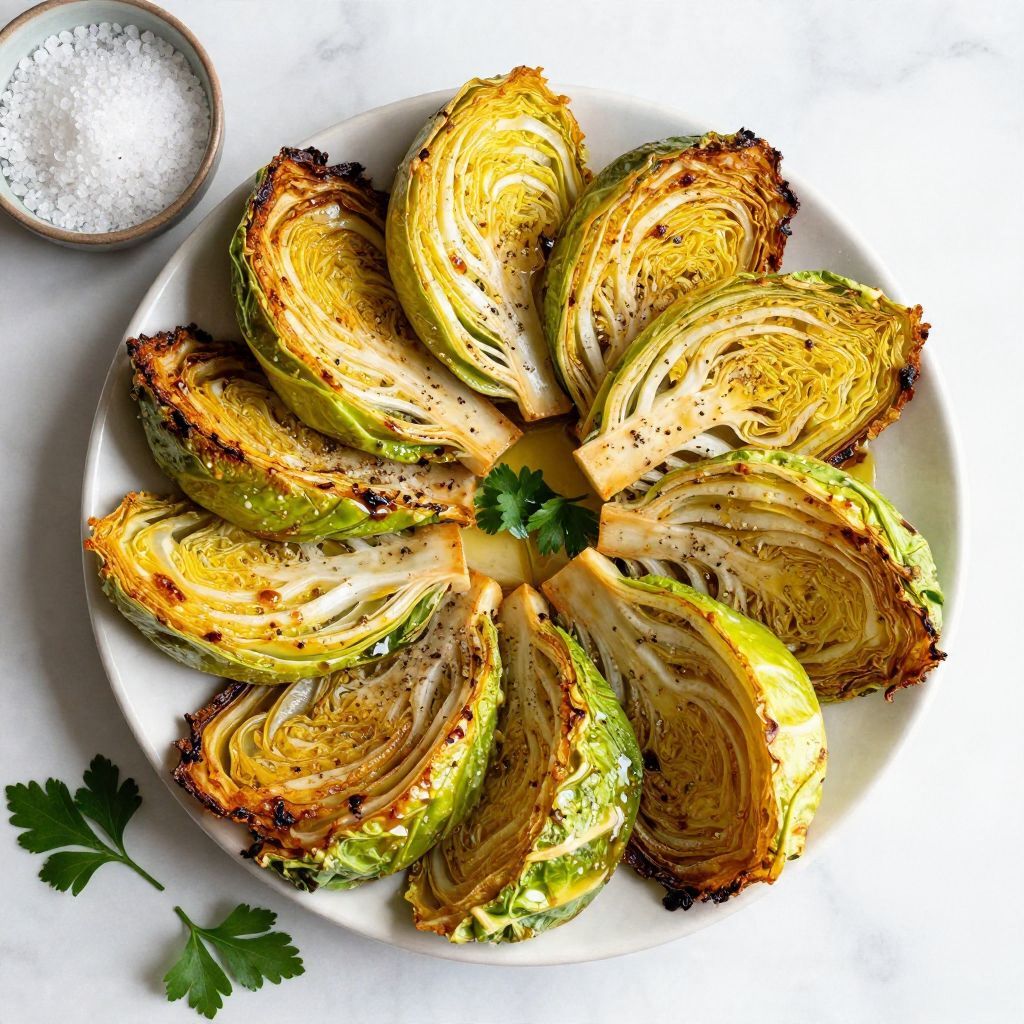
Cabbage Boil Recipe In Oven
Ingredients
Equipment
Method
- Preheat the oven to 400°F (200°C).
- Remove any wilted outer leaves from the cabbage and cut it into quarters.
- Slice each quarter into wedges about 1 to 1.5 inches thick.
- In a large bowl, toss the cabbage wedges with olive oil, salt, pepper, garlic powder, onion powder, and balsamic vinegar.
- Place the seasoned cabbage wedges on a large baking sheet, cut side down.
- Cover the baking sheet tightly with aluminum foil.
- Bake in the preheated oven for about 30 minutes.
- After 30 minutes, carefully remove the foil and continue roasting for an additional 15 minutes.