
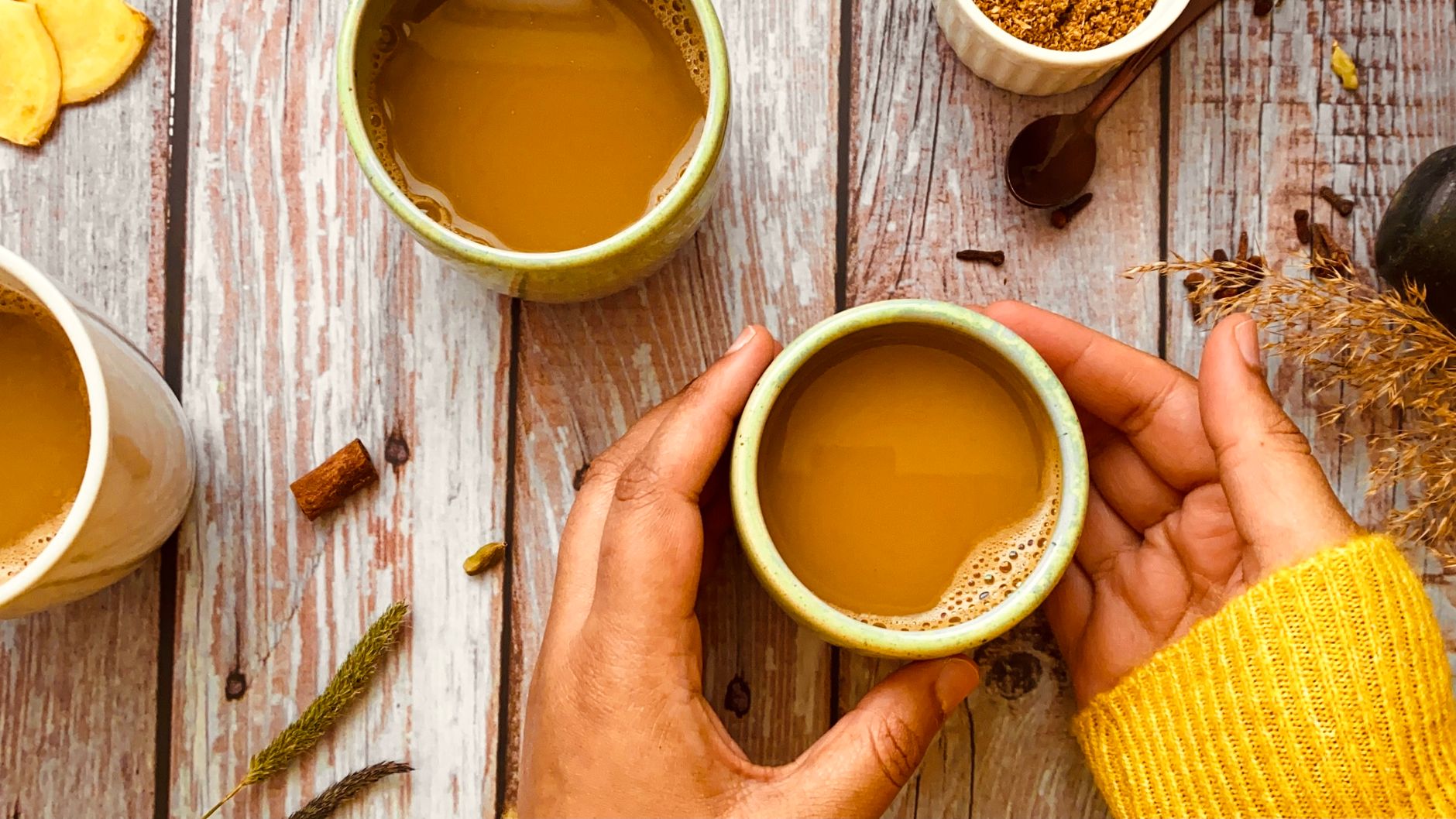
Ginger tea is a fragrant and spicy infusion made from fresh ginger root, known for its warming properties and rich flavor. This versatile drink can be enjoyed hot or cold, making it an excellent choice year-round. Many people appreciate ginger tea not only for its unique taste but also for its potential health benefits.
This article explores ginger tea’s ingredients, flavor profile, methods of preparation, and serving suggestions, giving you everything you need to enjoy this delightful beverage at home.
What Is Ginger Tea?
Ginger tea is a herbal infusion crafted by steeping fresh ginger root or dried ginger powder in hot water. The resulting beverage is characterized by its bold, peppery flavor and invigorating aroma, making it a popular choice worldwide. Often accompanied by other ingredients such as honey or lemon, ginger tea can be tailored to individual tastes and preferences.
Ingredients in Ginger Tea
- Fresh Ginger Root: The star ingredient, fresh ginger root, contributes its natural spiciness and warmth.
- Water: Acts as the base for the infusion, required for steeping the ginger.
- Sweeteners (optional): Honey, sugar, or agave syrup can be added to enhance sweetness.
- Citrus (optional): Lemon or lime juice can introduce a refreshing acidity that balances the heat of ginger.
- Herbs (optional): Other herbs such as mint or chamomile can be added for additional flavor and complexity.
- Spices (optional): Cinnamon or turmeric may also be included for added warmth and benefits.
Flavor Profile of Ginger Tea
The flavor of ginger tea is predominantly spicy and warm, thanks to the active compounds known as gingerols and shogaols found in ginger root. These compounds give ginger its characteristic heat, which can be soothing and invigorating. The taste can vary depending on the amount of ginger used—more fresh ginger tends to produce a stronger, spicier brew.
When sweeteners like honey are added, the drink adopts a pleasant sweetness that counters the heat of the ginger. Similarly, the addition of citrus contributes tanginess and brightness, creating a well-rounded flavor profile. Overall, ginger tea is bold, aromatic, and surprisingly complex.
How to Make Ginger Tea
Making ginger tea is a straightforward process that requires minimal ingredients and tools. Here’s a simple step-by-step guide to prepare this warm beverage:
Ingredients
- 1-2 inches of fresh ginger root
- 2 cups of water
- Honey or sweetener of your choice (optional)
- Lemon or lime juice (optional)
- Additional herbs or spices (optional)
Essential Equipment
- Sharp knife or vegetable peeler
- Cutting board
- Small saucepan or kettle
- Strainer or fine mesh sieve (if using fresh ginger)
- Cup or mug for serving
Instructions
- Start by peeling the fresh ginger root. Use a knife or vegetable peeler to remove the skin. Then, slice the ginger into thin pieces to enhance the infusion.
- In a small saucepan, bring 2 cups of water to a boil over medium-high heat.
- Add the sliced ginger to the boiling water. Reduce the heat to low and allow it to simmer for 10-20 minutes. The longer it simmers, the stronger the flavor will be.
- If desired, add honey or sweetener starting with 1 teaspoon, adjusting to taste. You can also add a splash of lemon or lime juice at this stage.
- Remove the saucepan from heat and strain the tea into a cup or mug using a fine mesh sieve to catch any ginger pieces.
- Enjoy your ginger tea hot or cold, garnished with a slice of lemon or a sprig of mint if desired.
Common Mistakes and Troubleshooting
While making ginger tea is easy, there are a few common mistakes to watch out for:
- Using too much ginger: If you prefer a milder flavor, start with less ginger and adjust according to your taste. Too much ginger can make the tea overwhelmingly spicy.
- Insufficient steeping time: Not allowing enough time for the ginger to steep can lead to a weak tea. Aim for a minimum of 10 minutes for a flavorful infusion.
- Neglecting sweetness: If your tea tastes too intense, try adding sweeteners or citrus juice to balance it out.
- Not straining properly: Ensure you strain the tea thoroughly to avoid any ginger residue in your cup.
Variations of Ginger Tea
Ginger tea can be customized according to personal preferences. Here are some tasty variations to try:
- Ginger-Lemon Tea: Add lemon juice for a refreshing twist, combining the spicy notes with citrus brightness.
- Mint Ginger Tea: Add fresh mint leaves during steeping to create a refreshing herbal flavor.
- Spicy Ginger Tea: Incorporate a pinch of cayenne pepper or chili powder for an extra kick.
- Tumeric Ginger Tea: Mix in turmeric for an added health boost and a vibrant color.
- Cinnamon Ginger Tea: Add a cinnamon stick during steeping for a warm, cozy flavor.
Serving Suggestions
Ginger tea can be enjoyed in a variety of ways, making it versatile for any occasion. Here are some suggestions on how to serve ginger tea:
- As A Morning Boost: Start your day with a hot cup of ginger tea to wake up your senses and give you a revitalizing boost.
- Accompanying Meals: Serve ginger tea alongside Asian dishes like sushi or stir-fries, as its spiciness complements bold flavors beautifully.
- As An Afternoon Pick-Me-Up: Enjoy a chilled version of ginger tea in the afternoon for a refreshing break that can help combat sluggishness.
- With Snacks: Pair your ginger tea with biscuits, cookies, or light pastries for a delightful tea time.
- As A Soothing Drink: Sip on ginger tea in the evening to unwind and relax, especially after a long day.
Health Benefits of Ginger Tea
Many people enjoy ginger tea not only for its flavor but also for its potential health benefits. Some commonly mentioned benefits include:
- Digestive Support: Ginger is known to aid digestion and can help soothe an upset stomach. Drinking ginger tea may alleviate nausea and bloating.
- Anti-Inflammatory Properties: The compounds present in ginger have anti-inflammatory effects, which may support joint health and reduce pain.
- Immune Support: Ginger tea is often consumed during cold season as it may help to support the immune system and relieve congestion.
Despite these potential benefits, keep in mind that overconsumption may not be suitable for everyone. It’s essential to listen to your body and consult a healthcare provider if you have concerns regarding the consumption of ginger or ginger tea.
Storage Tips for Ginger Tea
If you prefer to make ginger tea in larger batches, here are some tips for proper storage:
- Refrigeration: Store leftover ginger tea in an airtight container in the refrigerator for up to three days.
- Reheating: Reheat in a saucepan or microwave until warm before serving again. Avoid boiling as it may change the flavor.
- Freezing: For longer storage, consider freezing prepared ginger tea in ice cube trays. Use the cubes to flavor future drinks or to cool down other beverages.
Conclusion
Ginger tea is a delightful and versatile beverage that can be enjoyed in many forms. Its robust flavor, coupled with the potential health benefits, makes it a favorite among tea drinkers worldwide. Whether you prepare it on a chilly day or to sip alongside a meal, ginger tea’s warmth is sure to please.
If you’re looking to explore more about ginger, check out our guide on ginger or try making a simple ginger syrup to enhance your beverages and desserts. Enjoy your exploration of ginger and the wonderful world of teas!