
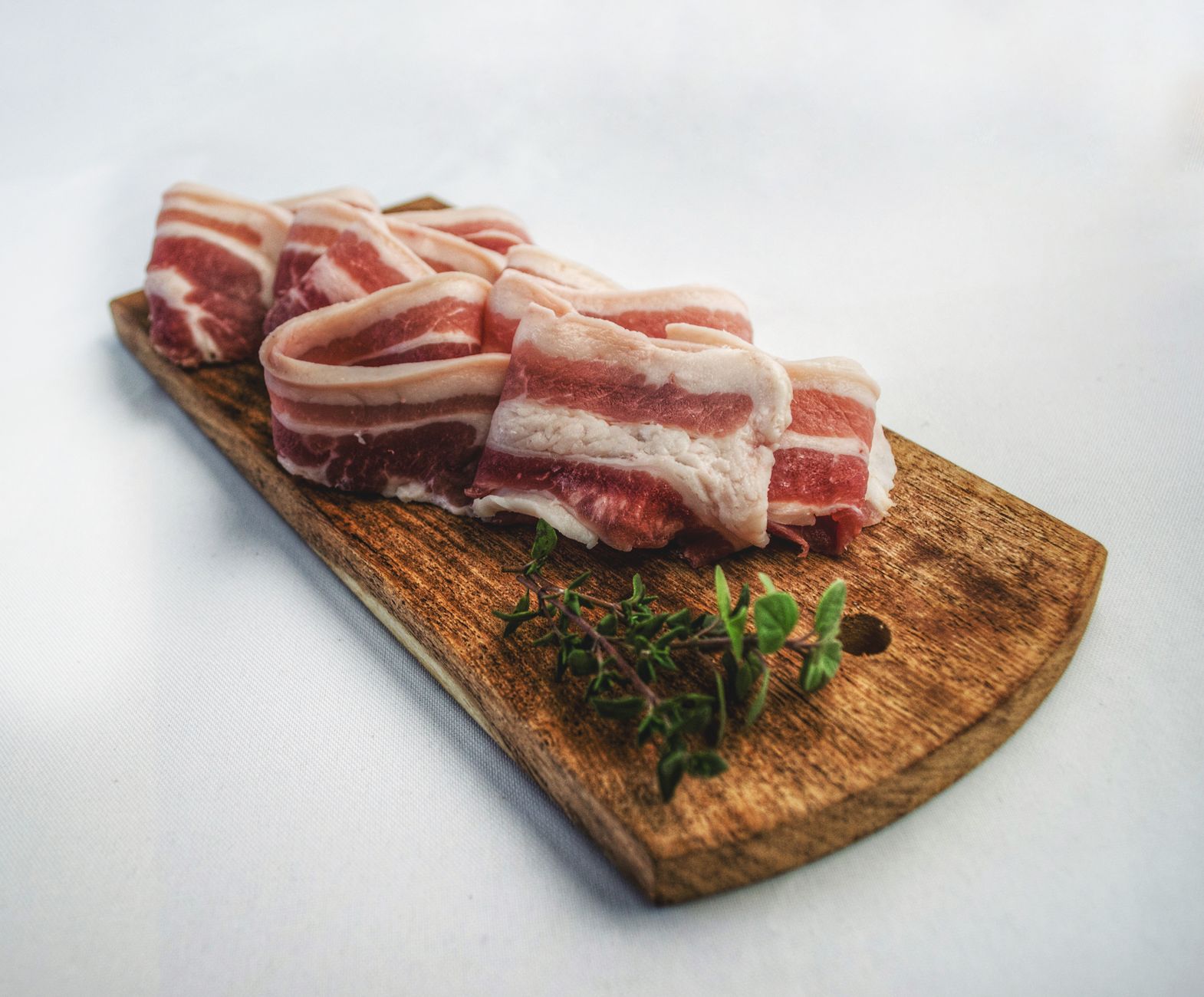
Pork belly is a versatile and flavorful cut of meat that has gained immense popularity in various culinary traditions. This rich, succulent cut is known for its layers of fat and meat, resulting in a unique texture and taste that can enhance a variety of dishes.
In this article, we will delve into what pork belly is, its flavor profile, culinary uses, and how to prepare it. Understanding the nature of this ingredient will empower home cooks and food enthusiasts to create delicious meals.
What Is a Pork Belly?
Pork belly is a boneless cut of meat taken from the belly of a pig. It consists of alternating layers of fat and meat, which makes it particularly rich and tender when cooked properly. In many cuisines, pork belly is celebrated for its flavor, and it’s often featured in both traditional and modern dishes.
Ingredients and Nutritional Profile
Pork belly itself is just that: pork. However, the way it’s prepared involves various complementary ingredients that may enhance its natural flavor.
Understanding the Components
The main components of pork belly include:
- Fat: This is the most notable aspect of pork belly, contributing to its juiciness and flavor.
- Meat: The muscle tissue between the layers of fat provides the chew and texture.
- Skin: If left on, the skin can be rendered to create crispy crackling when cooked.
Nutritional Information
A typical serving size (around 100 grams) of cooked pork belly contains:
- Calories: Approximately 500-600
- Protein: 9-11 grams
- Fat: 40-50 grams
- Sodium: Varies significantly based on preparation methods
That’s a considerable caloric content, so pork belly is best enjoyed in moderation, particularly when considering dietary preferences and health conditions.
Flavor Profile of Pork Belly
The taste of pork belly is rich and savory, with a sweet undertone that arises from the fat content. The layers of fat melt during cooking, infusing the meat with moisture and flavor. When cooked properly, pork belly achieves a tender and succulent texture that offers a delightful contrast to crispy surfaces when roasted or glazed.
Culinary Uses of Pork Belly
Pork belly is cherished in numerous cuisines around the world, making it incredibly versatile in the kitchen. Below are some popular preparations and dishes featuring pork belly.
Global Culinary Applications
- Korean BBQ: Pork belly is often grilled and served as a popular dish called “samgyeopsal.” Diners grill strips of the meat at the table and enjoy them wrapped in lettuce leaves with various sauces.
- Char Siu: In Chinese cuisine, pork belly is marinated and roasted to create this iconic dish, characterized by its sticky, sweet glaze and deep red color.
- Lechon: A staple in Filipino barbecues, lechon refers to a whole roasted pig; however, pork belly has become a convenient substitute for those who want a smaller cut.
- Biscuits and Gravy: In the southern United States, diced pork belly can be included in the gravy served over biscuits, offering a decadent start to the day.
- Pork Belly Buns: Popular in Asian cuisine, these soft buns are filled with braised pork belly, pickled vegetables, and various sauces.
- Ramen: Pork belly chashu is often used as a topping in ramen, contributing a rich flavor to the dish.
Preparing and Cooking Pork Belly
Proper preparation and cooking technique significantly influence the final outcome when working with pork belly. Here’s a comprehensive guide on how to prepare this cut effectively.
Selecting the Right Cut
When selecting pork belly at the grocery store or butcher, look for:
- A good ratio of meat to fat. Too much fat can lead to greasy outcomes, while too little can result in dry meat.
- Freshness; the meat should have a pinkish-red color with a creamy white layer of fat.
- If possible, purchase skin-on pork belly for added texture and flavor when roasted.
Common Cooking Techniques
Pork belly can be prepared using various cooking methods:
- Roasting: Cooking pork belly in the oven allows for a crispy outer layer while keeping the inside juicy. It typically requires a low and slow cooking approach, followed by high heat to achieve crunchiness.
- Braising: This method involves slow-cooking pork belly in a flavorful liquid, often resulting in very tender meat. Common braising liquids include stocks, soy sauce, or even beer.
- Grilling: Thinly sliced pork belly is perfect for grilling, especially in Korean BBQ. Precooking the meat can help avoid flare-ups and ensure thorough cooking.
- Smoking: The smoky flavor adds an additional layer of depth to pork belly. This method can impart unique flavors that enhance the natural richness of the meat.
A Simple Recipe for Crispy Pork Belly
This easy method for preparing crispy pork belly will give you a delightful dish perfect for any occasion.
Ingredients
- 1 kilograms pork belly, skin on
- Salt
- Pepper
- Optional spices (such as garlic powder, paprika, or fennel seeds)
- Optional liquid for braising (such as chicken broth or apple cider)
Yield
Serves 4-6.
Preparation and Cooking Time
- Preparation time: 15-20 minutes
- Cooking time: 2-3 hours
- Total time: Approximately 3 hours
Essential Equipment
- Oven
- Roasting pan or baking tray
- Sharp knife
- Paper towels
Method
- Preheat the oven to 160°C (320°F).
- Score the skin of the pork belly in a crosshatch pattern to help render the fat. Be careful not to cut too deep into the meat.
- Rub the pork belly all over with salt, pepper, and any optional spices.
- Place the pork belly in a roasting pan, skin-side up. Pour a bit of liquid into the pan to keep it moist during cooking.
- Roast in the preheated oven for 2 to 2.5 hours. Check periodically to ensure the liquid is not evaporating completely.
- After the low, slow roast, turn up the oven to 220°C (428°F) for the last 30 minutes to crisp the skin. Keep an eye on it to prevent burning.
- Once the skin is crispy and golden, remove it from the oven and let it rest for 10-15 minutes before slicing.
- Slice and serve as desired, perhaps with a dipping sauce or alongside pickled vegetables.
Tips for Delicious Pork Belly
Here are some additional tips to elevate your pork belly cooking experience:
- Allow pork belly to come to room temperature before cooking to ensure even cooking.
- Experiment with different marinades to complement the natural flavors, such as citrus-based or soy sauce mixes.
- Consider pairing pork belly with contrasting flavors, such as tangy sauces or fruity salsas, to balance its richness.
- Use a food thermometer to ensure the meat has reached an internal temperature of at least 63°C (145°F) for food safety.
Common Mistakes When Cooking Pork Belly
Below are several common pitfalls to avoid when preparing pork belly:
- Not scoring the skin: Failing to score the skin can prevent proper cooking and crisping.
- Ignoring resting time: Slicing immediately after cooking can lead to juices running out, resulting in dry meat. Always let it rest.
- Cooking at too high a temperature: Rushing the cooking process can lead to tough meat and burned skin.
- Using low-quality meat: Choosing inexpensive or pre-packaged options may result in lackluster flavor and texture.
Storing and Reheating Pork Belly
Once cooked, pork belly can be stored and reheated effectively:
Storage
Leftover pork belly should be cooled to room temperature and then stored in an airtight container in the refrigerator. It can typically last for up to 3-4 days.
Reheating
To reheat pork belly and maintain its crispy skin, consider using the oven:
- Preheat the oven to 180°C (350°F).
- Place the pork belly on a baking sheet and cover it loosely with foil to keep it moist.
- Heat for about 15-20 minutes or until warmed through.
- For additional crispiness, remove the foil for the last few minutes of reheating.
Conclusion
Pork belly is a delightful and rich cut of meat that can elevate various dishes through its flavor and texture. Whether you choose to roast, braise, or grill it, understanding how to prepare and serve pork belly will lead to delicious meals that impress your family and friends.
For more wonderful pork recipes, consider visiting our guides on pork chop supreme and pork cutlets, both offering unique and tasty ways to enjoy pork in your home kitchen.