
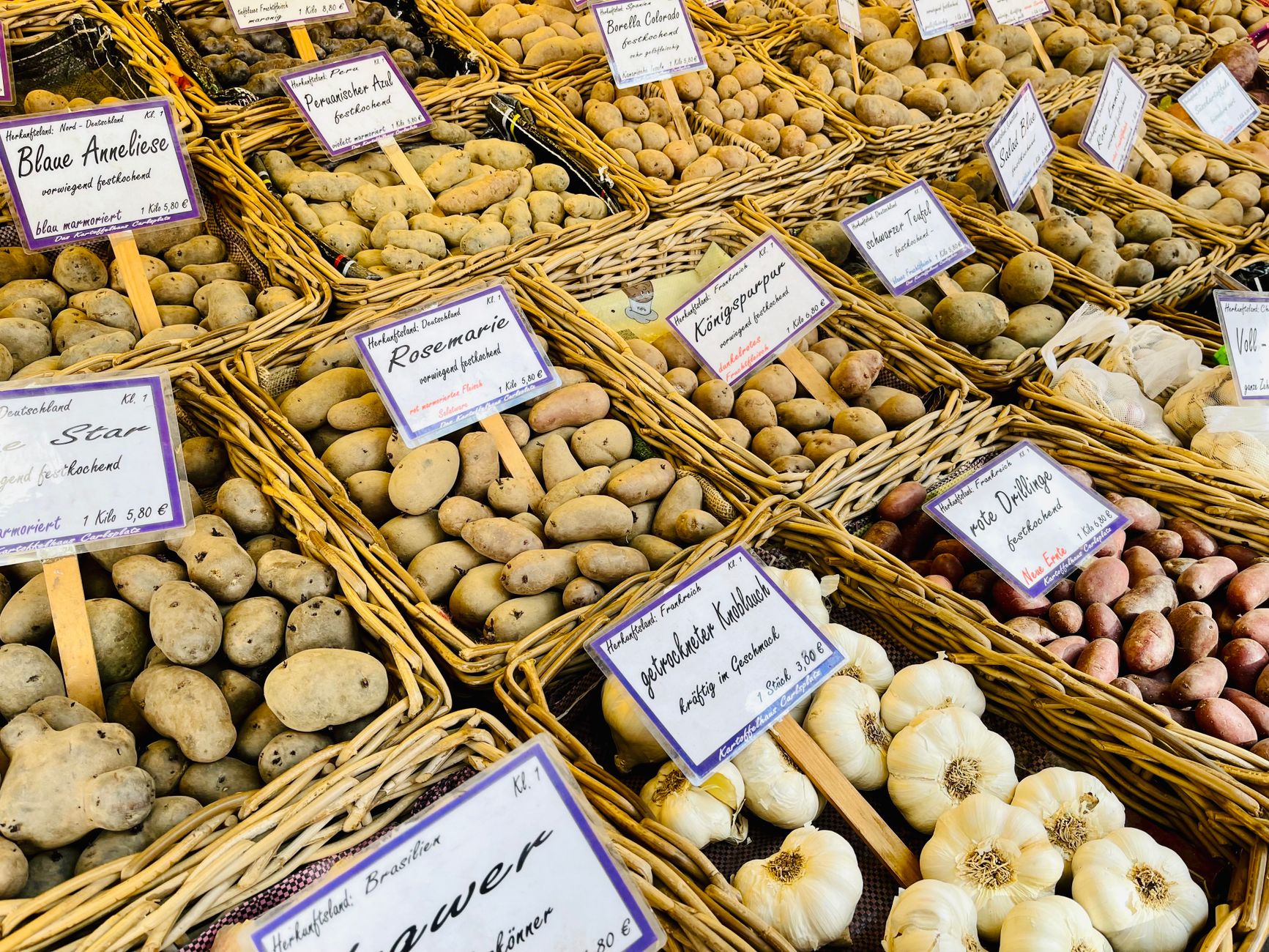
Potatoes are a beloved staple in many diets worldwide, appreciated for their versatility and comforting qualities. However, variations exist among different types of potatoes, with some offering more nutritional benefits than others. Understanding which potatoes are the healthiest can help everyone make better dietary choices while indulging in this versatile vegetable.
This article will explore various potato types, their nutritional profiles, health benefits, and suggestions for how to incorporate them into daily meals. By the end, you’ll be well-informed about which potatoes to choose for a healthier lifestyle.
Which Potatoes Are the Healthiest?
The healthiest potatoes are often those with the most diverse nutrient profiles, including nutrient-dense varieties like sweet potatoes, red potatoes, and purple potatoes. These potatoes generally offer more vitamins, minerals, and antioxidants than their white counterparts, making them a better choice for those looking to enhance their nutrition.
Understanding Potato Varieties
Before diving into which potatoes are healthiest, it’s essential to understand the varieties available. Potatoes come in numerous shapes, colors, and textures, each with distinct culinary uses and nutrient compositions. Here’s a breakdown of some of the most common types:
- Russet Potatoes: Brown skin with white flesh, commonly used for baking and frying.
- Red Potatoes: Thin red skin and creamy white flesh, ideal for salads and roasting.
- Yellow Potatoes: Examples include Yukon Gold, known for their buttery flavor and smooth texture.
- Fingerling Potatoes: Small, elongated tubers with a nutty flavor, often used in gourmet dishes.
- Sweet Potatoes: Orange or purple flesh with a naturally sweet flavor, rich in vitamins A and C.
- Purple Potatoes: Dark skin with vibrant purple flesh, high in antioxidants.
Nutritional Profiles of Potatoes
To determine which potatoes are the healthiest, it’s crucial to look at their nutritional profiles. Here is a comparison of different potato types per 100 grams cooked:
| Type | Calories | Carbohydrates (g) | Fiber (g) | Protein (g) | Vitamin C (%) | Vitamin A (%) | Antioxidants |
|---|---|---|---|---|---|---|---|
| Russet | 97 | 21 | 2.2 | 2.2 | 10 | 0 | Low |
| Red | 70 | 15.6 | 2.2 | 1.8 | 24 | 0 | Medium |
| Yellow | 85 | 19 | 2.2 | 2.0 | 20 | 0 | Medium |
| Sweet | 90 | 20.1 | 3.0 | 1.6 | 11 | 184 | High |
| Purple | 90 | 20.0 | 2.2 | 2.0 | 13 | 0 | Very High |
From this comparison, sweet potatoes and purple potatoes stand out for their high antioxidant content and vitamin A percentages, essential for immune health and vision. Red potatoes also offer a decent amount of vitamin C, making them a good option as well.
Health Benefits of Different Potatoes
Each potato variety has its health benefits. Here’s a closer look at what makes some of them particularly nutritious:
Sweet Potatoes
Sweet potatoes are often lauded for their high beta-carotene content, which converts to vitamin A in the body, promoting healthy skin and vision. They are rich in antioxidants that help combat oxidative stress, making them beneficial for overall health.
Purple Potatoes
Purple potatoes contain anthocyanins, powerful antioxidants linked to various health benefits, including reduced inflammation and improved heart health. They also provide a satisfying taste and striking presentation, making them popular in gourmet cooking.
Red Potatoes
These potatoes are a great source of potassium, which is essential for heart health and regulating blood pressure. They contain vitamin C, which supports the immune system, and their fiber content aids digestion.
Russet Potatoes
While russet potatoes are less colorful than their counterparts, they are still fortified with potassium and vitamin B6, essential for brain health and metabolism. They are also low in calories, making them a common choice for people watching their weight.
How to Prepare Healthy Potatoes
Preparation methods can significantly affect the healthiness of potatoes. Here are some tips to maximize nutritional value:
Boiling or Steaming
Boiling or steaming potatoes helps retain most of their nutrients, particularly when cooked with the skin. This method is ideal for all types of potatoes and can enhance their natural flavors.
Baking
Baking is another healthy way to prepare potatoes, especially sweet potatoes. Roasting at high heat helps caramelize their natural sugars, enhancing flavor, and results in a deliciously satisfying dish without the need for added fats.
Avoid Deep Frying
While french fries may be delicious, deep frying most potatoes significantly increases their calorie content and reduces nutritional value. Opt for healthier alternatives like baking or air-frying to maintain their benefits.
Portion Control and Serving Suggestions
Understanding portion sizes is critical for maintaining a balanced diet. Typically, a serving of potatoes should be about 150 grams or the size of a medium potato. Here are some delicious and healthy ways to serve a variety of potatoes:
- Sweet Potato Mash: Use boiled sweet potatoes mashed with a little olive oil, salt, and pepper for a nutritious side dish.
- Roasted Red Potatoes: Toss quartered red potatoes with herbs like rosemary or thyme, olive oil, and roast until crispy.
- Purple Potato Salad: Boil purple potatoes and combine them with olive oil, lemon juice, fresh herbs, and a pinch of salt for a vibrant salad.
- Loaded Baked Potatoes: Use russet potatoes, bake them, and top them with Greek yogurt, chives, and other fresh vegetables for a hearty meal.
Storage and Reheating Tips for Potatoes
Proper storage methods can prolong the shelf life of potatoes and help retain their nutrients:
Storage
- Store potatoes in a cool, dark, and dry place to prevent sprouting.
- Avoid plastic bags, as they trap moisture, leading to spoilage. Instead, use paper bags or breathable containers.
- Keep potatoes away from onions, as the gases emitted can accelerate spoilage.
Reheating
When reheating cooked potatoes, use the oven or a microwave. Ensure they are heated through to a safe temperature of 165°F (74°C). Avoid reheating too many times, as it can affect flavor and texture.
Common Mistakes When Cooking Potatoes
Even the most seasoned cooks can make errors when preparing potatoes. Here are some common mistakes to avoid:
- Removing the Skin: Many nutrients are concentrated in the skin, so leave it on when possible.
- Overcooking: Boiling potatoes for too long can lead to nutrient loss. Cook just until tender.
- Skipping Soaking: For certain recipes, soaking potatoes in water helps remove excess starch and prevents them from sticking.
Varieties Best for Specific Diets
Considering dietary preferences is important when choosing healthy potatoes. Here’s a guideline on which potatoes may suit different diets:
Low-Carb Diets
If you are following a low-carb diet, opt for small servings of purple or yellow potatoes due to their lower carb content compared to russet potatoes.
Vegan Diets
All potato varieties are vegan-friendly. Incorporate them into stews, salads, or mashed dishes for nutritious meals.
Gluten-Free Diets
Potatoes are naturally gluten-free, making them suitable for individuals with celiac disease or gluten sensitivities. Use them in place of gluten-containing grains.
Conclusion
In summary, the healthiest potatoes are typically sweet, purple, or red, offering diverse nutrients and benefits. Understanding different varieties, preparation methods, and dietary considerations helps elevate the role of potatoes in your meals. Experiment with preparing different types of potatoes, keeping portions in mind, to maximize enjoyment and health benefits in your diet.
Explore related recipes and further cooking tips to enhance your meal planning and preparation. Check out our delightful white sweet potato recipe or try our lovely Irish potatoes recipe for delightful inspiration!