
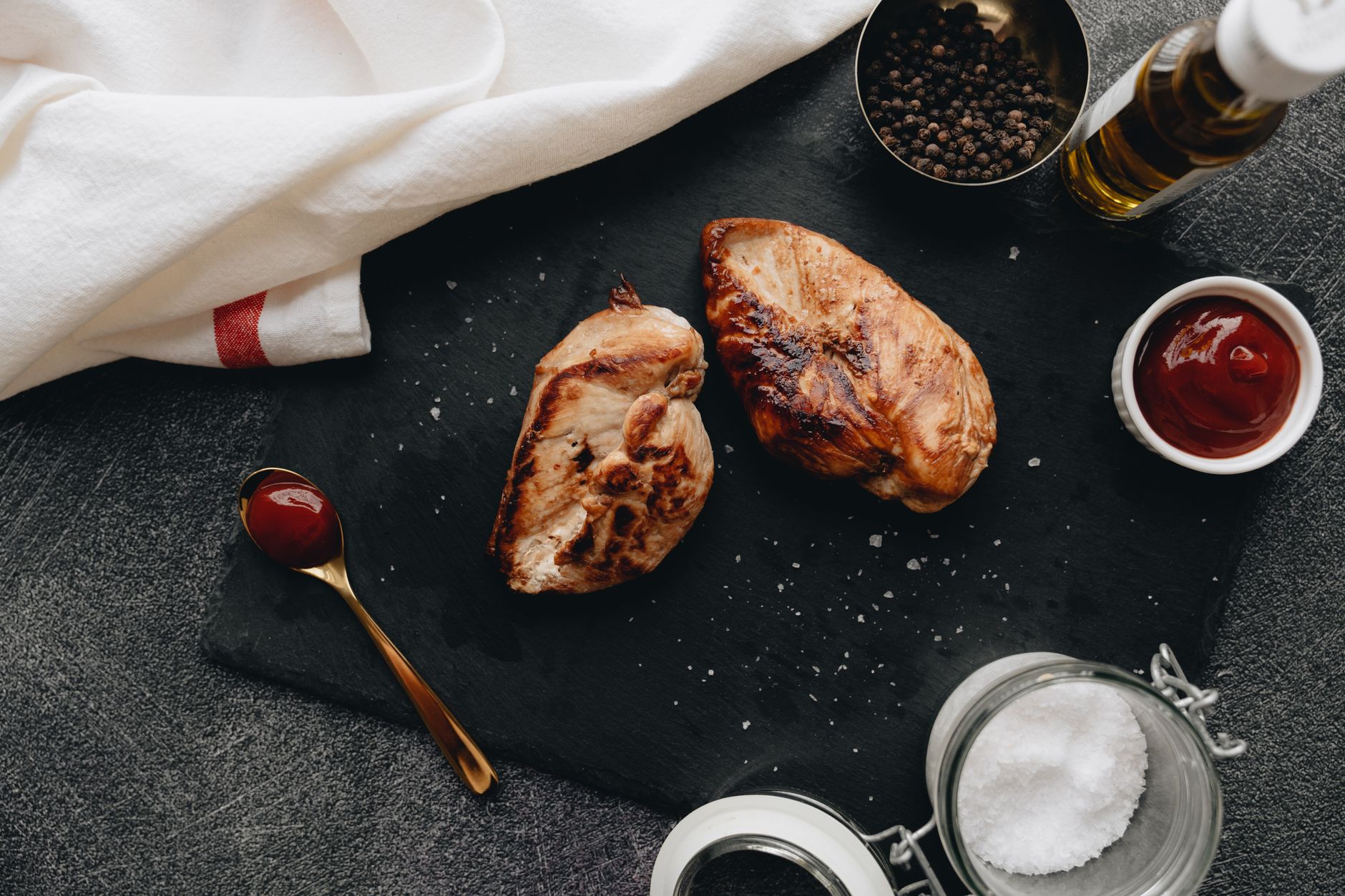
Cooking chicken breast can be a straightforward task, but it often raises the question: how long should I cook chicken breast? The answer depends on various variables such as the cooking method, whether the chicken is bone-in or boneless, and the thickness of the breast. This guide will help you navigate through all the details so you can achieve perfectly cooked chicken breast every time.
Whether you’re grilling, braising, baking, or sous vide, each method requires a different approach to cooking time and temperature. With the right information, you can easily incorporate chicken breast into your meals, ensuring it remains moist and flavorful.
How Long Should I Cook Chicken Breast?
The cooking time for chicken breast varies significantly based on the method used. For boneless, skinless chicken breasts, the general rule is to cook until the internal temperature reaches 165°F (74°C). Here is a quick overview of cooking times for various methods:
- Grilling: 6-8 minutes per side
- Baking: 20-30 minutes at 375°F (190°C)
- Sous Vide: 1-4 hours at 140°F (60°C)
- Pan-searing: 6-7 minutes per side
- Poaching: 10-15 minutes
Factors Affecting Cooking Time
While the above times serve as guidelines, several factors can influence the actual cooking time for chicken breasts:
1. Thickness of the Chicken Breast
Thicker cuts will require more time to cook than thinner ones. A standard boneless, skinless chicken breast typically weighs between 6 and 8 ounces. If you’re working with particularly thick pieces, consider butterflying them or pounding them to an even thickness to ensure more uniform cooking.
2. Cooking Method
Each cooking method has its characteristics that affect cooking times. For example, grilling and pan-searing use high direct heat, while baking uses a more indirect heat source. Sous vide, on the other hand, involves a very controlled temperature for an extended period, resulting in incredibly tender chicken.
3. Starting Temperature
Cooking chicken breast straight from the refrigerator will take longer than starting with chicken that has been at room temperature for 15-30 minutes. Allowing chicken to rest before cooking can help it cook more evenly.
4. Oven or Grill Temperature
The temperature setting significantly impacts how quickly chicken cooks. A higher heat will cook it faster but comes with the risk of drying it out if not monitored carefully.
Cooking Chicken Breast by Method
Here, we break down cooking times and techniques for various methods used to prepare chicken breasts.
1. Grilling
Grilling chicken gives it a unique flavor and can create beautiful grill marks. Follow these steps for grilling boneless chicken breast:
- Preheat your grill to medium-high heat.
- If desired, marinate or season your chicken breast.
- Place the chicken on the grill and cook for 6-8 minutes per side, flipping only once.
- Check the internal temperature; it should reach 165°F (74°C).
2. Baking
Baking chicken breasts is an easy and mostly hands-off method. Here is how to do it:
- Preheat your oven to 375°F (190°C).
- Place the chicken breast in a baking dish and season as desired.
- Bake for 20-30 minutes, depending on the thickness of the breast.
- Use a meat thermometer to ensure it reaches 165°F (74°C) before serving.
3. Sous Vide
Sous vide allows for precise cooking. Here’s how you can cook chicken breast using this method:
- Season the chicken breast and seal it in a vacuum bag.
- Set your sous vide to 140°F (60°C) and cook the chicken for 1-4 hours.
- For a crisp skin, quickly sear the chicken in a hot pan after sous vide cooking.
4. Pan-Searing
Pan-searing is ideal for those looking for a beautifully golden crust. Follow these steps:
- Heat a skillet over medium-high heat with a touch of oil.
- Sear the chicken for about 6-7 minutes per side.
- Check the temperature regularly until it reaches 165°F (74°C).
5. Poaching
Poaching is a gentle method that keeps chicken moist. Here’s how:
- Bring a pot of water or broth to a simmer.
- Add the chicken breast and cover the pot.
- Cook for approximately 10-15 minutes, checking for doneness.
Common Mistakes to Avoid
Even experienced cooks can make mistakes when preparing chicken breast. Here are some pitfalls to watch out for:
- Overcooking: Overcooked chicken becomes dry and tough. Use a meat thermometer to check for the right internal temperature.
- Undercooking: Consuming undercooked chicken can lead to foodborne illnesses. Always ensure it reaches 165°F (74°C).
- Skipping Rest Time: Letting chicken rest for 5-10 minutes after cooking allows juices to redistribute, leading to a more succulent bite.
- Not Seasoning: Chicken can be bland if not seasoned properly. Consider brining, marinating, or simple seasoning before cooking for enhanced flavor.
Practical Tips for Cooking Chicken Breast
The following tips can help you achieve the best possible results when cooking chicken breast:
- Use a Meat Thermometer: This tool is vital for ensuring food-safe cooking temperatures, particularly for poultry.
- Let It Sit: After cooking, allow the chicken to rest before slicing to retain moisture.
- Brining: For extra flavor, consider brining your chicken in a simple saltwater solution for a few hours before cooking.
- Use a Food Processor: If you’re making chicken salad or similar dishes, using a food processor can help achieve uniform pieces quickly.
Serving Suggestions
Cooked chicken breasts are incredibly versatile and can be served in many ways:
- Slice and serve over salads for a light meal.
- Use it in sandwiches or wraps for an easy lunch option.
- Serve with roasted vegetables and grains for a balanced dinner.
- Dice and mix into pasta or rice dishes for an added protein boost.
Make-Ahead Cooking Strategies
Chicken breasts can be cooked ahead of time and stored for later use. Consider these strategies:
- Batch Cooking: Plan meals for the week and cook several chicken breasts at once. Store them in airtight containers.
- Freezing: Cooked chicken can be frozen for up to 4 months. Thaw it in the fridge overnight when you’re ready to use it.
- Making Sauces: Marinate chicken breasts and allow them to sit overnight to enhance flavor before cooking.
Storage and Reheating Guidance
Proper storage is crucial to maintaining the quality and safety of your cooked chicken breast:
- Refrigerate leftovers within two hours of cooking to prevent bacterial growth.
- Store chicken in a shallow airtight container or wrap tightly in foil or plastic wrap.
- Consume within 3-4 days for optimal freshness.
- When reheating, ensure the internal temperature reaches 165°F (74°C) before consuming.
Cooking chicken breast may seem challenging at times, but with the right information and techniques, it can become an effortless part of your cooking repertoire. Understanding the various cooking methods, along with their specific times, will help you create delicious meals without the guesswork. Remember to avoid the common mistakes, savor the cooking process, and enjoy the countless ways to serve this versatile protein.
For additional insights on food safety and storage, check out how long cooked chicken lasts. If you’re interested in sous vide cooking, explore our guide on sous vide chicken breast recipes to perfect that technique.