
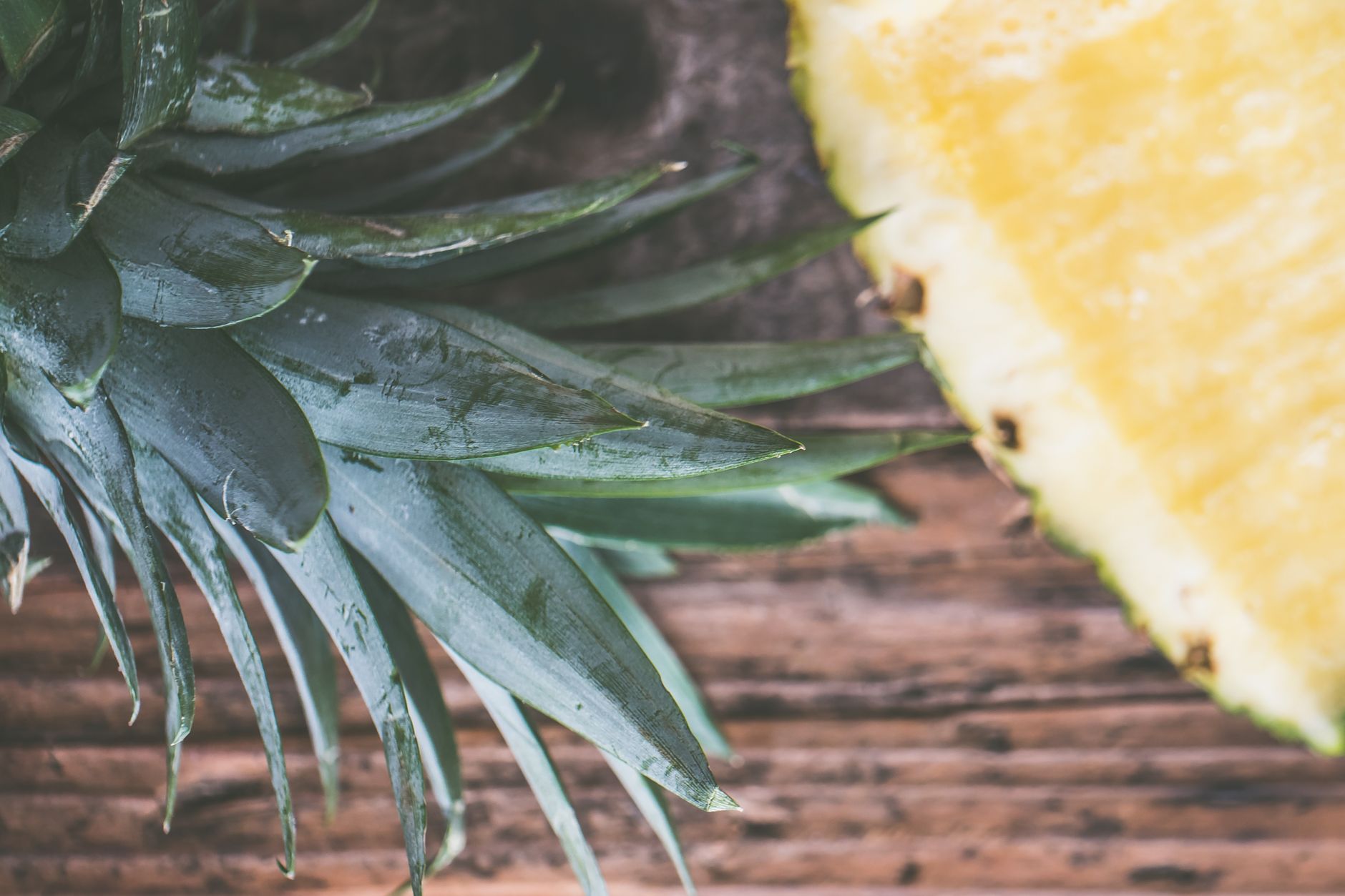
Pineapple, a tropical fruit known for its unique sweetness and tangy flavor, raises some interesting questions for those managing diabetes. Whether you are a diabetic or just curious about the fruit’s compatibility with a diabetic diet, understanding how pineapple affects blood sugar levels is crucial. In this article, we will explore the nutritional content of pineapple, its glycemic index, and practical ways to incorporate it into a diabetic-friendly meal plan.
This extensive guide will cover the benefits and potential drawbacks of pineapple consumption, tips for selecting, storing, and preparing the fruit, and delicious recipes tailored for diabetics. Let’s delve into the facts and kitchen uses of pineapple for those who must manage their blood sugar levels.
Can Diabetics Have Pineapple?
Yes, diabetics can have pineapple, but in moderation. Pineapple does contain natural sugars that can affect blood glucose levels. Understanding its glycemic index and managing portion sizes can help make it a part of a balanced diet.
Nutritional Profile of Pineapple
Pineapple, like many fruits, is rich in vitamins, minerals, and dietary fiber, making it a nutritious option when consumed wisely. Here’s a breakdown of the nutritional content per 100 grams of fresh pineapple:
| Nutrient | Value |
|---|---|
| Calories | 50 |
| Carbohydrates | 13.1 g |
| Fiber | 1.4 g |
| Sugars | 9.9 g |
| Protein | 0.5 g |
| Fat | 0.1 g |
| Vitamin C | 47% of the Daily Value (DV) |
| Manganese | 76% of the DV |
The Glycemic Index of Pineapple
The glycemic index (GI) measures how quickly a food raises blood sugar levels. Foods with a high GI are absorbed rapidly, leading to spikes in blood glucose. Pineapple has a GI ranging from 51 to 66, categorizing it as a low to moderate GI food.
While this means pineapple can cause a modest rise in blood sugar, its overall impact can be influenced by portion size. Eating smaller servings can help maintain stable blood sugar levels. Pairing pineapple with other foods, particularly those high in fiber or protein, may also mitigate its effect on blood sugar.
Benefits of Pineapple for Diabetics
While pineapple contains sugars, it also offers several health benefits that can be beneficial for diabetics:
- Rich in Nutrients: Pineapple is an excellent source of vitamins C and B6, manganese, and antioxidants.
- Hydrating Fruit: Its high-water content (around 86%) makes it a hydrating choice that can support overall health.
- Anti-inflammatory Properties: Bromelain, a protein-digesting enzyme found in pineapple, may help reduce inflammation and support digestive health.
- Natural Digestive Aid: The fiber in pineapple supports healthy digestion, which is crucial for managing blood sugar levels.
How to Select Good Pineapple
Choosing a ripe pineapple is essential for the best flavor and nutritional quality. Here are some tips to help you make the right selection:
- Color: Look for a pineapple that has a rich golden color, especially at the base, indicating ripeness.
- Texture: The skin should be slightly firm but not hard. A little give when pressed is a good sign.
- Aroma: A sweet, fragrant aroma at the base suggests the fruit is ripe.
- Leaves: The leaves at the top should be green and healthy, not brown or dried out.
How to Store Pineapple
Proper storage can help maintain the freshness of pineapple:
- Whole Pineapple: Store ripe pineapple at room temperature for a couple of days, or refrigerate it for about a week.
- Cut Pineapple: Once cut, refrigerate the fruit in an airtight container. It can last for up to five days.
- Freezing: Pineapple can be frozen for long-term storage. Cut it into cubes, spread them on a baking sheet to freeze individually, and then transfer to a freezer-safe container or bag.
Ways to Incorporate Pineapple into a Diabetic Diet
Here are practical ways to enjoy pineapple while being mindful of blood sugar levels:
- In Smoothies: Create a refreshing smoothie by blending pineapple with spinach, a small portion of Greek yogurt, and a handful of ice.
- In Salads: Add diced pineapple to salads for a burst of flavor. Combining it with leafy greens, nuts, and a protein source makes for a balanced meal.
- As a Snack: Enjoy pineapple slices alone or paired with a portion of nuts or cheese for a balanced snack.
- In Grilled Dishes: Grilled pineapple adds a caramelized flavor to proteins like chicken or shrimp.
Healthier Pineapple Recipes for Diabetics
Here are two delicious recipes that feature pineapple while being mindful of blood sugar levels:
Pineapple Smoothie
This refreshing pineapple smoothie is not only tasty but also packed with nutrients.
- Servings: 2
- Preparation Time: 5 minutes
Ingredients
- 1 cup fresh pineapple chunks
- 1 cup spinach
- 1/2 cup unsweetened almond milk
- 1/2 cup plain Greek yogurt
- Ice cubes (optional)
Method
- In a blender, add the fresh pineapple chunks, spinach, almond milk, and Greek yogurt.
- Blend until smooth and creamy. Add ice cubes if desired for a chilled texture.
- Pour into glasses and serve immediately.
Pineapple Chicken Skewers
This dish combines the sweetness of pineapple with savory chicken, making it perfect for a summer cookout.
- Servings: 4
- Preparation Time: 15 minutes
- Cooking Time: 10-15 minutes
Ingredients
- 1 lb boneless, skinless chicken breasts, cut into cubes
- 1 cup fresh pineapple chunks
- 2 bell peppers, cut into squares
- 2 tablespoons olive oil
- 1 tablespoon soy sauce (low sodium)
- 1 teaspoon garlic powder
- Salt and pepper to taste
- Skewers
Method
- Preheat the grill to medium-high heat.
- In a bowl, combine the olive oil, soy sauce, garlic powder, salt, and pepper. Add the chicken cubes and marinate for at least 10 minutes.
- Thread the marinated chicken, pineapple chunks, and bell pepper squares onto the skewers.
- Grill the skewers for 10-15 minutes or until the chicken is cooked through, flipping occasionally.
- Serve warm with a side salad or whole-grain rice.
Common Mistakes to Avoid
When including pineapple in a diabetic diet, it’s essential to be aware of common pitfalls:
- Overconsumption: Eating large servings can lead to high blood sugar spikes. Stick to a moderate serving size.
- Opting for Canned Pineapple: While canned pineapple is convenient, it often contains added sugars. Choose unsweetened or fresh options when possible.
- Neglecting Portion Control: Even healthy foods can impact blood sugar if consumed in excess. Measure portions to stay on track.
Final Thoughts on Pineapple for Diabetics
Pineapple can certainly be part of a diabetes-friendly diet. It is rich in essential nutrients and can be enjoyed in various ways when consumed mindfully. Balancing your servings with fiber and protein will help keep your blood sugar levels stable. Whether you enjoy pineapple in a smoothie, grilled on skewers, or as a component of a savory salad, this tropical fruit can add delightful flavors to your meals.
Explore other creative uses for pineapple in your cooking, such as making pineapple smoothies or using it as an ingredient in savory dishes like pineapple stuffing. These recipes can offer nutritious options that fit within a diabetes management plan.