
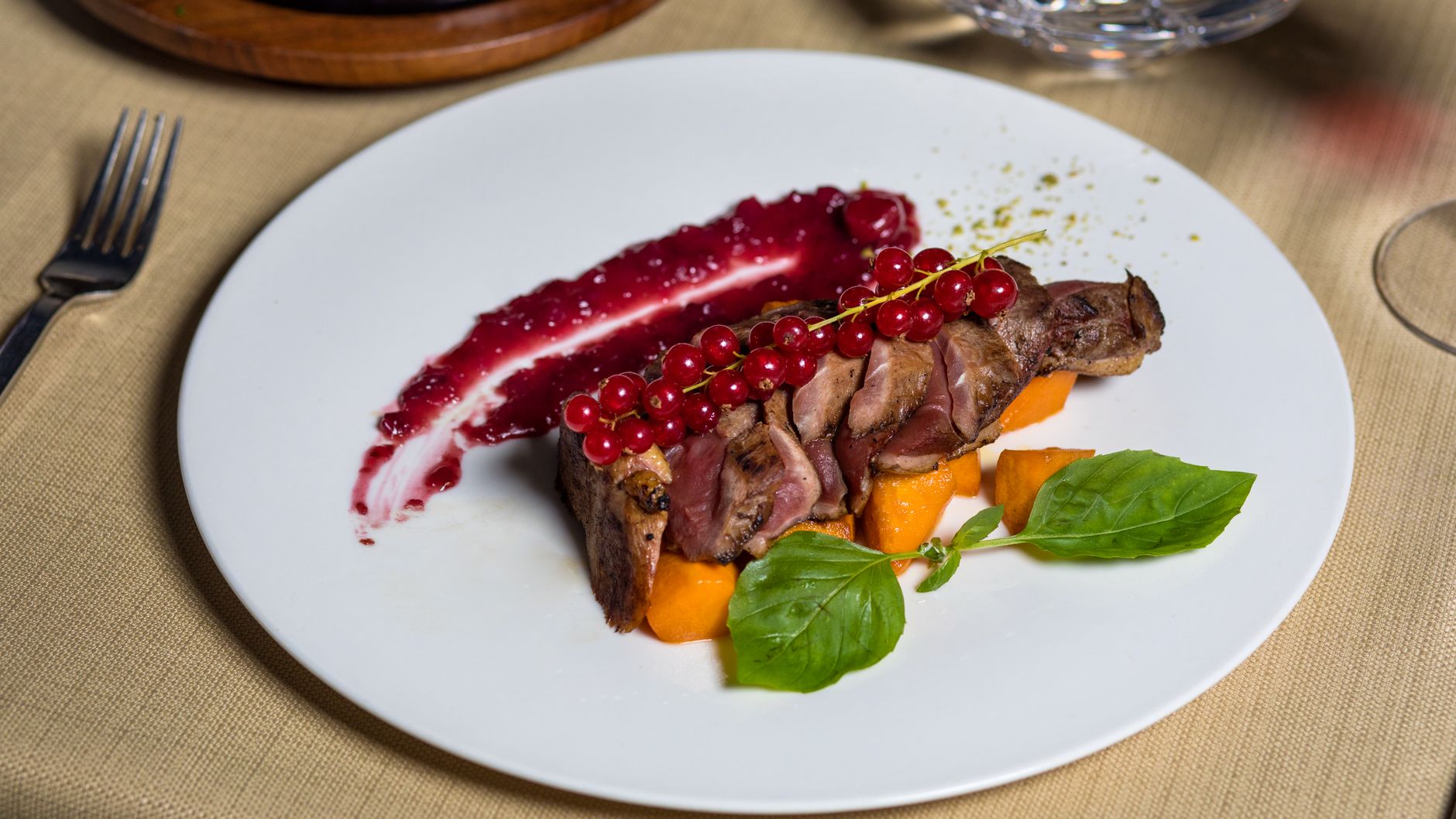
The classification of duck as red meat can often cause confusion among food enthusiasts and cooks alike. While chicken and turkey are typically categorized as white meat, duck falls into a different category due to its unique characteristics and flavor profile.
Understanding whether duck is red meat involves looking into its classification based on myoglobin content, culinary applications, and nutritional aspects. This article will explore these areas and provide practical insights into cooking and serving duck meat.
Is Duck Red Meat?
Yes, duck is considered red meat. This classification is primarily due to the high levels of myoglobin found in duck meat, resulting in a darker color compared to poultry like chicken and turkey. Myoglobin is a protein that carries oxygen in muscles, and its abundance contributes to the red color and rich flavor of duck.
What Makes Duck Distinct?
Duck possesses qualities that set it apart from other poultry. Its richness in flavor, fatty content, and texture contribute to its classification as red meat. While many people associate red meat with traditional sources like beef and lamb, duck brings its own unique culinary identity.
Understanding Myoglobin and Meat Classification
Myoglobin plays a crucial role in how meat is classified. The more myoglobin muscle fibers contain, the redder the meat appears. Poultry like chicken has lower myoglobin levels, making it appear white. In contrast, duck, with higher amounts of myoglobin, is classified as red meat. This classification extends to other game birds as well, such as goose.
Nutritional Profile of Duck Meat
Duck meat is not just flavorful; it also has a distinctive nutritional profile. Here are some key points to consider:
- Protein Content: Duck is a great source of protein, comparable to chicken and beef.
- Fat Content: Duck has higher fat levels, particularly in its skin, contributing to its juiciness and flavor.
- Vitamins and Minerals: Duck is rich in vitamins B12 and B6, iron, phosphorus, and zinc, making it a nutritious choice.
- Flavor: The intense flavor of duck makes it a favorite in many cuisines worldwide. Its richness allows for various cooking methods and flavor pairings.
Culinary Uses of Duck Meat
The versatility of duck meat warrants its popularity across many cuisines. Here are some common culinary applications:
- Roasting: Roasting is perhaps the simplest and most popular method of preparing duck. This technique enhances its flavor and allows the fat to render, resulting in crispy skin.
- Grilling: Grilled duck breast can be succulent and delicious, particularly when paired with fruit-based sauces or glazes.
- Slow Cooking: Slow-cooked duck can yield tender and juicy meat, perfect for stews and sauces where the flavors meld beautifully.
- Confiting: Duck confit is a traditional French cooking method. The duck is slowly cooked in its fat, resulting in flavorful and tender meat.
- Stir-frying: In Asian cuisines, duck is often cut into smaller pieces and stir-fried with vegetables for a quick and delicious meal.
Flavor Profiles and Pairings
Duck’s rich flavor can be complemented by various ingredients. Here are some excellent pairing ideas:
- Fruits: Duck pairs beautifully with fruits like cherries, oranges, and figs. Sweet and tangy sauces can elevate a dish significantly.
- Herbs: Fresh herbs like thyme, rosemary, and sage can enhance the savory notes of duck meat.
- Spices: Spices such as five-spice powder or star anise are often used in Asian recipes, providing warmth and complexity.
- Wine: Rich red wines, like Pinot Noir or Merlot, often accompany duck dishes, complementing its robust flavors.
Preparation and Cooking Techniques for Duck
When cooking duck, it’s essential to understand the best techniques and methods to bring out its flavor. Here are some preparation tips:
Choosing the Right Duck
There are several varieties of ducks available, with the most popular being:
- Pekin: Known for its tender meat and mild flavor, Pekin ducks are commonly farm-raised.
- Muscovy: This breed has a distinct flavor profile; its meat is darker and richer compared to Pekin.
- Rouen: Rouen ducks have a flavor reminiscent of game and yield darker meat.
- Mulard: A hybrid of Muscovy and Pekin, Mulard ducks provide an excellent balance of flavor and texture.
Preparation Steps
- Thawing: If using frozen duck, thaw it in the refrigerator for 24 hours before cooking.
- Trimming: Remove excess fat, especially from the neck area, to prevent excessive greasiness.
- Scoring: Score the skin in a crisscross pattern to facilitate fat rendering.
- Marinating: Consider marinating the duck to enhance its flavor. Acidic ingredients like vinegar or citrus can tenderize the meat.
Cooking Duck Breast
The following method is popular for preparing duck breast:
- Preheat Oven: Set your oven to 375°F (190°C).
- Score the Skin: Score the skin on the duck breast, making sure not to cut into the meat.
- Season: Season the breast liberally with salt and pepper.
- Sear: Heat an oven-safe skillet over medium heat. Place the duck breast skin-side down and sear for 6-8 minutes until the skin is crispy.
- Finish in the Oven: Flip the breast and transfer the skillet to the preheated oven. Cook for an additional 6-8 minutes for medium-rare doneness.
- Rest: Allow the duck breast to rest for 5-10 minutes before slicing against the grain.
Cooking Whole Duck
For a whole duck, a roasting method is commonly employed:
- Preheat Oven: Preheat your oven to 425°F (220°C).
- Prepare the Duck: Remove the giblets, rinse the duck, and pat it dry. Season the cavity with salt, pepper, and herbs.
- Score the Skin: Similar to duck breasts, score the skin to help render the fat.
- Roast: Place the duck on a rack in a roasting pan and cook for 1.5-2 hours. Baste occasionally by spooning the fat over the skin.
- Check Doneness: The internal temperature should reach 165°F (74°C) in the thickest part of the breast. Allow to rest before serving.
Common Mistakes When Cooking Duck
To achieve flavorful and tender duck, avoid these common cooking mistakes:
- Not rendering enough fat: Always start skin-side down in medium heat to render duck fat effectively.
- Overcooking: Duck is best served medium-rare, so invest in an instant-read thermometer for accurate results.
- Neglecting to rest: Allow the meat to rest post-cooking; this helps retain juices for a moist texture.
- Skipping seasoning: Duck benefits from robust seasoning, so be generous with salt and spices.
Serving Suggestions for Duck
Pairing duck with complementary side dishes can elevate your meal. Here are some popular side dishes:
- Root Vegetables: Roasted or mashed root vegetables like potatoes, carrots, and parsnips create a hearty side.
- Greens: Sautéed or braised greens, such as kale or Swiss chard, offer a flavorful balance.
- Grains: Serve duck with grains like wild rice or quinoa for added texture and nutrition.
- Sauces: Fruit-based sauces, balsamic reductions, and savory gravies can enhance the richness of duck.
Storage and Reheating Duck
Proper storage is vital to maintaining the quality of duck meat. Follow these guidelines:
- Refrigeration: Store cooked duck in an airtight container in the refrigerator for up to 3-4 days.
- Freezing: Duck can be frozen for longer storage. Wrap it tightly to prevent freezer burn and use within 4-6 months.
- Reheating: Reheat cooked duck in the oven covered with foil at 300°F (150°C) until warmed through, generally about 10-15 minutes.
Conclusion
Duck is classified as red meat, distinguished by its myoglobin content and rich flavor. Understanding its culinary uses, preparation techniques, and storage methods enhances one’s ability to appreciate and utilize this delicious meat in various dishes. Whether it’s roasted, grilled, or confited, duck offers a versatile option for home cooks and culinary enthusiasts alike.
To explore more about the impact of red meat on health, check whether red meat causes cancer, or learn about protein content in ground beef.