
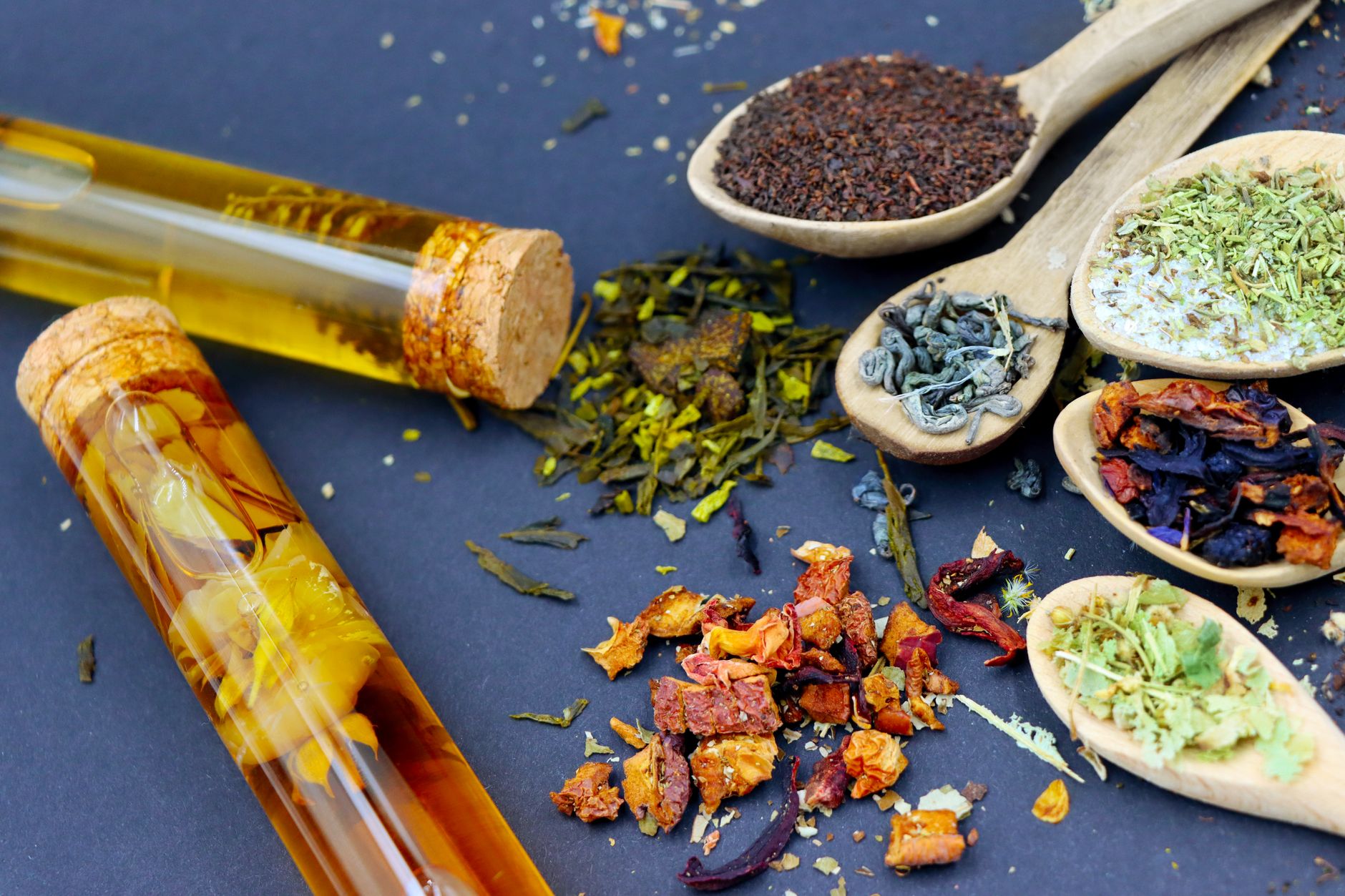
Tea is one of the most consumed beverages worldwide, cherished for its vast array of flavors and potential health benefits. If you’re a tea lover, you might often wonder about its caffeine content, especially when deciding how much to drink throughout the day.
Understanding how much caffeine is in tea can help you manage your intake, maximize the benefits of tea, and enjoy it without overindulging. This guide covers the caffeine content in different types of tea, factors that influence caffeine levels, and practical advice on serving sizes and portions.
How Much Caffeine in Tea?
The caffeine content in tea can vary widely based on the type of tea, its preparation, and serving size. On average, an 8-ounce cup of black tea contains around 40 to 70 mg of caffeine, while green tea generally has 20 to 45 mg. Herbal teas typically contain little to no caffeine, making them a great option for those sensitive to caffeine.
Factors Influencing Caffeine Levels in Tea
Several factors influence the caffeine content in tea:
- Type of Tea: Different types of tea leaves have varying amounts of caffeine. Black tea usually has the highest levels, while white tea has less caffeine.
- Tea Variety: The specific variety of tea, such as Darjeeling or Assam for black tea, can impact caffeine levels.
- Brewing Time: The longer you brew tea, the more caffeine will be extracted. Steeping for 3-5 minutes is common for optimal flavor and caffeine extraction.
- Water Temperature: Higher water temperatures can extract more caffeine from the tea leaves.
- Leaf Size: Broken or crushed leaves (often found in teabags) tend to release caffeine more quickly than whole leaves.
- Serving Size: Larger cups or servings will obviously contain more caffeine. Always consider this when pouring.
Caffeine Content of Different Types of Tea
Here’s a detailed look at the caffeine content in some common types of tea:
Black Tea
Black tea is the most robust when it comes to caffeine. The average caffeine content ranges from 40 to 70 mg per 8-ounce cup, depending on the brew time and tea variety.
- Assam: 60-70 mg
- Darjeeling: 40-60 mg
- Earl Grey: 40-70 mg
Green Tea
Green tea is lauded for its health benefits and has a moderate caffeine content averaging 20 to 45 mg per 8-ounce cup.
- Sencha: 30-50 mg
- Matcha: 60-70 mg (per teaspoon of powder)
- Gyokuro: 30-50 mg
Oolong Tea
Oolong tea falls between black and green tea in terms of caffeine. It usually contains around 30 to 50 mg of caffeine per 8-ounce cup.
White Tea
White tea is the least processed of all teas and generally has lower caffeine levels, averaging 15 to 30 mg per cup. Its delicate flavor is loved by many.
Herbal Tea
Most herbal teas are naturally caffeine-free as they’re made from herbal blends rather than tea leaves. However, some blends, such as yerba mate or guayusa, do contain caffeine.
- Chamomile: Caffeine-free
- Peppermint: Caffeine-free
- Yerba Mate: 30-50 mg
Understanding Serving Sizes and Portions
Serving sizes and portions can greatly affect caffeine intake. Here’s a breakdown of common servings of tea:
- Standard Cup (8 oz): The average serving size for brewed tea.
- Large Cup (12 oz): This could contain anywhere from 60 to 100 mg of caffeine for black tea.
- Travel Mug (16 oz): Caffeine content could go as high as 100-140 mg, depending on the type of tea.
How to Reduce Caffeine in Tea
If you’re concerned about caffeine intake, there are methods to lower it when brewing tea:
- Choose Low-Caffeine Options: Opt for white or herbal teas which naturally contain less caffeine.
- Shorten Brewing Time: Steeping for less time can significantly reduce caffeine levels.
- Use Cooler Water: This can limit the extraction of caffeine from the leaves.
- Rinse the Leaves: A quick rinse of tea leaves with hot water before brewing can help remove some caffeine.
Common Mistakes to Avoid
When preparing tea, it’s easy to make a few common mistakes that can impact flavor or caffeine levels:
- Oversteeping: Leaving tea bags or leaves steeping too long can lead to bitterness and excessive caffeine extraction.
- Incorrect Water Temperature: Different teas have specific temperature requirements. Using water that’s too hot can scald delicate tea leaves.
- Ignoring Brew Ratio: Using too many leaves can lead to a strong brew, increasing caffeine content.
Practical Tips for Enjoying Tea
Here are some practical tips to help you savor your tea experience while managing caffeine:
- Start Your Day with Tea: A regular morning cup can kickstart your day with moderate caffeine levels.
- Consider Time of Day: Switch to herbal teas in the evening if you are sensitive to caffeine before bedtime.
- Try Decaf Versions: Many brands offer decaffeinated black and green teas to satisfy the desire without the caffeine.
- Blend Teas: Mixing herbal teas with higher-caffeine teas can create a balanced and flavorful cup.
Summary of Caffeine Content in Various Teas
| Type of Tea | Caffeine Content (mg per 8 oz) |
|---|---|
| Black Tea | 40-70 mg |
| Green Tea | 20-45 mg |
| Oolong Tea | 30-50 mg |
| White Tea | 15-30 mg |
| Herbal Tea | 0-50 mg |
Being knowledgeable about the caffeine content in tea allows you to enjoy this beloved beverage while managing your wellness goals. By considering the type of tea, preparation methods, and appropriate serving sizes, you can find your perfect cup.
Now that you understand how much caffeine is in your favorite teas, explore other related articles like How Much Caffeine in Chai Tea and What Tea Has the Most Caffeine to further enhance your tea experience.