
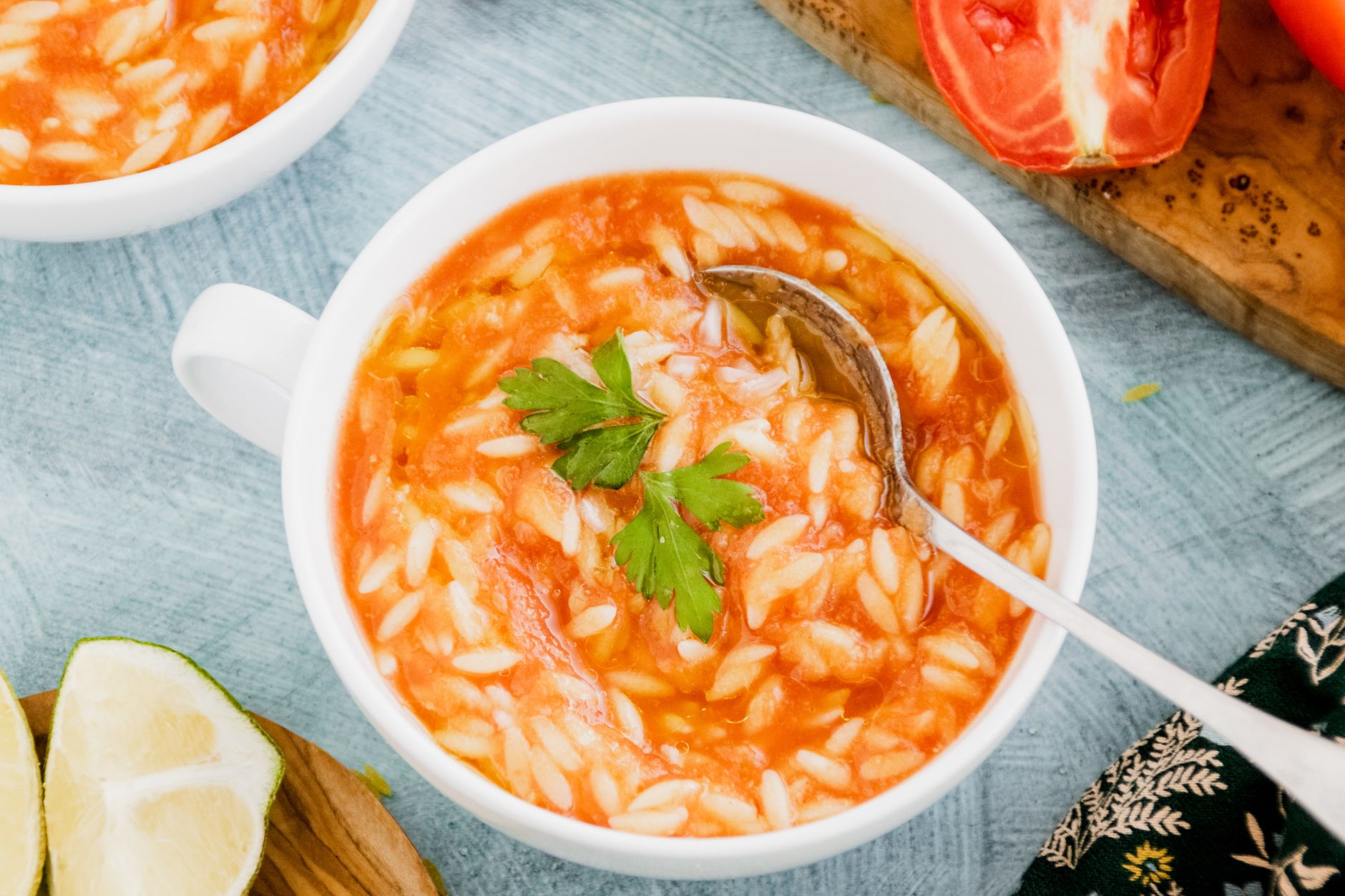
Orzo is a delightful, rice-shaped pasta that has captured the hearts of home cooks and chefs alike. This versatile ingredient can be used in a variety of dishes, from soups and salads to casseroles and side dishes. Understanding how long orzo takes to cook is essential for perfecting your meal preparations.
In this article, we will explore the cooking times for orzo, tips on achieving the perfect doneness, and practical ways to incorporate this staple into your meals. Whether you’re making a quick weeknight dinner or prepping for a larger gathering, a reliable understanding of orzo cooking times will elevate your culinary skills.
How Long Does Orzo Take to Cook?
Cooking orzo typically takes about 8 to 10 minutes when boiled in salted water. This cooking time can vary slightly depending on the brand and type of orzo being used. The ideal doneness of orzo is al dente, which means it should be tender but still have a slight bite. It’s important to taste the orzo a minute or two before the cooking time is complete to ensure you achieve the desired texture.
Understanding Orzo
Before diving into the specifics of cooking orzo, it’s helpful to understand what orzo is and how it differs from other types of pasta. Orzo is made from semolina flour, like many traditional pastas, and is often used in Mediterranean dishes. Its shape and size make it a perfect addition to various dishes, absorbing flavors well and providing a satisfying texture.
Nutritional Benefits
Orzo is generally low in fat and can be part of a balanced diet. It is a good source of carbohydrates, providing energy for your body. When combined with nutritious ingredients like vegetables, proteins, and healthy fats, it can serve as a wholesome base for many meals.
Cooking Orzo: Step-by-Step Instructions
Cooking orzo is straightforward and can be accomplished with minimal steps. The following method can be used for boiling orzo:
- Bring Water to a Boil: In a large pot, bring water to a rolling boil. Use about 4 cups of water for every 1 cup of orzo. Adding salt (about 1-2 tablespoons) to the boiling water helps enhance the flavor.
- Add Orzo: Once the water is boiling, add the orzo and stir to prevent it from sticking together.
- Cook: Let the orzo cook for 8 to 10 minutes, stirring occasionally. Start checking for doneness at around 7 minutes to avoid overcooking.
- Test for Doneness: Taste a piece of orzo; it should be al dente, meaning tender with a slight firmness to the bite.
- Drain: Once cooked to your satisfaction, drain the orzo in a colander. If desired, rinse it briefly under cold water to stop the cooking process and remove excess starch.
Tips for Cooking Perfect Orzo
- Use Plenty of Water: Ensure that there is enough water for the orzo to cook evenly. This helps prevent clumping.
- Salt Your Water: Seasoning the water with salt enhances the flavor of the pasta significantly.
- Watch the Clock: Orzo cooks quickly, so set a timer to avoid overcooking it. Taste test during the last couple of minutes.
- Don’t Rinse Excessively: Rinsing orzo can wash away flavor; do it only if you’re using it in a cold dish or salad.
- Reserve Pasta Water: Save some of the starchy cooking water before draining to use in sauces or to adjust the texture of dishes.
Common Mistakes to Avoid When Cooking Orzo
Even a beloved ingredient like orzo can lend itself to mishaps in the kitchen. Here are some common mistakes to avoid:
- Not Using Enough Water: Cooking orzo in too little water can lead to uneven cooking and sticking.
- Ignoring Cooking Times: Overcooking orzo makes it mushy. Always taste-test to ensure it remains al dente.
- Neglecting to Stir: Stirring occasionally while cooking prevents the orzo from clumping together.
- Adding Oil to Water: While some may think adding oil to boiling water prevents sticking, it actually prevents sauce from adhering to the pasta later.
Storage and Reheating Orzo
If you have leftover orzo or wish to prepare it in advance, follow these guidelines for storage and reheating:
Storage
Store cooked orzo in an airtight container in the refrigerator. It will typically last for 3 to 5 days. For longer storage, consider freezing cooked orzo, which can be stored for up to 3 months. Make sure to cool the orzo completely before freezing, and consider adding a bit of olive oil to prevent sticking.
Reheating
To reheat cooked orzo, you can use the following methods:
- Microwave: Place orzo in a microwave-safe dish, add a splash of water, cover, and heat in short increments, stirring regularly until hot.
- Stovetop: Add a small amount of water or broth to a pan, then add the orzo. Heat over medium-low, stirring until warmed through.
- Oven: For larger amounts, you can spread orzo in a baking dish, add some liquid, cover with foil, and heat in a preheated oven at 350°F (175°C) for about 15-20 minutes.
Versatile Dishes Featuring Orzo
Orzo’s versatility makes it an excellent choice for a variety of recipes. Here are some dishes where orzo shines:
Orzo Salad
An orzo salad can be a refreshing addition to any meal. Combine cooked orzo with cherry tomatoes, cucumbers, olives, feta cheese, and a lemon-olive oil dressing for a vibrant side dish or light main course.
Orzo Soup
A comforting orzo soup can warm any chilly day. Sauté vegetables, add broth, and stir in cooked orzo for a hearty, filling dish.
Skillet Orzo
For a one-pan approach, you can start with sautéed onions, garlic, and vegetables in a skillet, add broth, and then stir in orzo to simmer until tender. Finish with fresh herbs and Parmesan for a tasty meal.
Orzo Casserole
Incorporating orzo into casseroles adds a delightful texture. Combine it with proteins like chicken or shrimp, along with vegetables and creamy sauces, and bake until bubbly and golden.
Practical Substitutions for Orzo
If you find yourself without orzo, don’t worry! Here are some suitable substitutions:
- Other Small Pasta Shapes: Substitute with other small pasta types, such as ditalini, acini di pepe, or couscous, keeping in mind they may require different cooking times.
- Grains: Quinoa or farro can be used for a different flavor and texture profile; note that these may alter cooking times and methods.
- Rice: While the texture will differ, small-grain rice like Arborio can also work in dishes where orzo is used.
Cooking Orzo for Dietary Preferences
Orzo can fit into many dietary lifestyles, but ensuring that your dishes remain aligned with certain preferences is key:
Gluten-Free
For gluten-free options, look for rice-based orzo or alternative varieties made from chickpeas or lentils to enjoy similar textures without gluten.
Vegan
Orzo dishes can easily be made vegan by incorporating vegetables, legumes, or plant-based proteins and avoiding animal-derived ingredients.
Low-Carb
For those following a low-carb diet, consider substituting orzo with spiralized vegetables like zucchini or shirataki noodles to maintain the meal’s integrity without the extra carbohydrates.
Conclusion
Cooking orzo can be a quick and easy addition to your meals, enriching your culinary repertoire. With a cooking time of about 8 to 10 minutes, achieving the perfect doneness is straightforward with a little attention and practice. Consider exploring the many versatile ways to incorporate orzo into your meal planning for satisfying dishes.
Don’t hesitate to seek out further culinary inspiration, including a delicious German chocolate cake recipe or learn more about pasta ingredients. Happy cooking!