
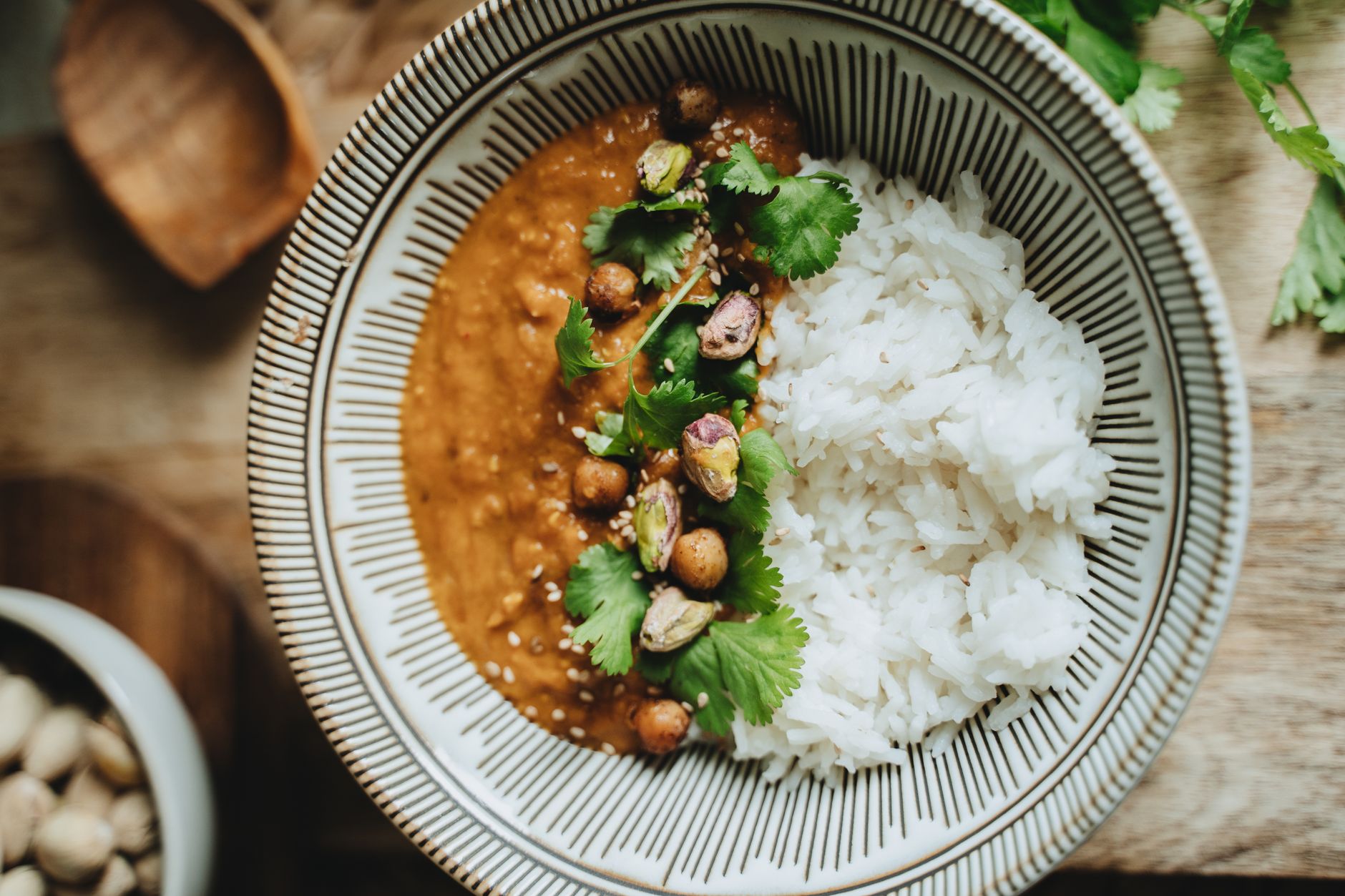
Dahl, also spelled dal, daal, or dahl, refers to both the various types of pulses used in Indian cuisine and the comforting dishes made from these legumes. A staple in many South Asian households, dahl is known for its rich flavor, creamy texture, and versatility. Understanding the different types of dahl, how to prepare it, and how to serve it can elevate your home-cooking experience.
This guide will delve into the ingredients, flavors, and serving suggestions of dahl, making it easier for you to incorporate this nutritious dish into your meals. Whether you’re a seasoned cook or just venturing into the realm of legumes, you’ll find everything you need to know about dahl here.
What Is Dahl?
Dahl is a term that encompasses various split pulses and legumes, as well as the dishes made from them. Commonly used types include red lentils, yellow split peas, urad dal (black gram), and toor dal (pigeon peas). The legumes are characterized by their earthy flavors and high protein content, making them a staple in vegetarian diets. Dahl dishes are often simmered until soft, spiced, and blended to create flavorful, creamy soups or stews.
Ingredients Used in Dahl
While the primary ingredient in dahl is the type of pulse, various other ingredients contribute to its flavor profile and consistency. Here’s a breakdown of common ingredients used in dahl:
- Pulses: The main ingredient; varieties include:
- Red lentils (masoor dal)
- Yellow lentils (moong dal)
- Toor dal (pigeon peas)
- Urad dal (black gram)
- Spices: Essential for flavoring; typical spices include:
- Cumin seeds
- Coriander powder
- Turmeric
- Garam masala
- Chili powder
- Aromatics: Often used for a base flavor; includes:
- Onion
- Garlic
- Ginger
- Tomatoes
- Liquid: Provides the desired consistency; options include:
- Water
- Vegetable broth
- Coconut milk (for a creamier texture)
- Garnishes: Enhance presentation and flavor; common garnishes are:
- Cilantro
- Lemon juice
- Chili peppers
Flavor Profile of Dahl
The flavor of dahl is complex yet comforting. When cooked properly, it presents a balance of earthiness from the pulses and warmth from the spices. The spices used can vary widely depending on regional recipes, allowing for a diverse array of flavors:
- Earthy: The legumes provide a grounding, nutty taste.
- Spicy: Heat levels can be adjusted based on the amount of chili used, from mild to fiery.
- Savory: Spices like cumin and coriander add warmth and depth.
- Fresh: Garnishing with herbs and citrus adds brightness.
How to Prepare Dahl
Preparing dahl is relatively straightforward, making it a great choice for both beginner and experienced cooks. Here’s a detailed look at the steps involved in making a basic dahl dish:
Ingredients for Basic Dahl
- 1 cup dahl (choose your preferred type)
- 4 cups water or vegetable broth
- 1 tablespoon oil or ghee
- 1 medium onion, finely chopped
- 2 cloves garlic, minced
- 1-inch piece of ginger, grated
- 1-2 tomatoes, chopped
- 1 teaspoon cumin seeds
- 1 teaspoon turmeric powder
- 1 teaspoon coriander powder
- 1 teaspoon garam masala
- Salt, to taste
- Fresh cilantro, for garnish
- Lemon wedges, for serving
Essential Equipment
- Large pot or saucepan
- Wooden spoon for stirring
- Chopping board and knife
- Measuring cups and spoons
Step-by-Step Method
- Rinse the dahl under cold running water until the water runs clear to remove excess starch and impurities.
- In a large pot, heat the oil or ghee over medium heat. Add the cumin seeds and allow them to sizzle for 30 seconds.
- Add the chopped onion and sauté until translucent, about 5 minutes.
- Stir in the minced garlic and grated ginger, cooking until fragrant, about 1 minute.
- Add the chopped tomatoes, turmeric, coriander powder, salt, and cook until the tomatoes break down, about 5 minutes.
- Pour in the rinsed dahl and add 4 cups of water or broth. Bring to a boil.
- Once boiling, reduce the heat to low, cover, and simmer for about 30-40 minutes or until the dahl is tender and the consistency is creamy. Stir occasionally and add more liquid if necessary.
- Five minutes before removing from heat, stir in the garam masala and adjust seasoning as needed.
- Garnish with fresh cilantro and serve with lemon wedges on the side.
Common Mistakes When Making Dahl
While making dahl is relatively straightforward, there are common pitfalls to avoid for the best results:
- Overcooking or undercooking the dahl: Keep an eye on cooking times; legumes can become mushy if overcooked or remain hard if undercooked. Use the right variety for your desired texture.
- Inadequate seasoning: Legumes often need plenty of seasoning to enhance their flavor. Don’t hesitate to taste and adjust while cooking.
- Neglecting to rinse the pulses: Rinsing helps remove excessive starch and improves texture.
- Ignoring the importance of spices: Fresh spices provide the best flavor. Don’t skip or substitute spices without considering the flavor impact.
Serving Suggestions for Dahl
Dahl is incredibly versatile and can be served in various ways to suit different meals. Here are some popular serving suggestions:
- With Rice: Dahl is often served with steamed basmati rice or jeera rice (cumin rice) to balance the richness.
- With Bread: Serve with naan, roti, or paratha for a complete Indian meal.
- As a Soup: You can enjoy dahl soupy, adding additional broth and serving it in bowls, topped with cilantro.
- As a Side Dish: Serve as a side with any Indian meal, paired with vegetable curries and pickles.
Variations of Dahl
The beauty of dahl lies in its adaptability. Here are a few variations you can try:
1. Spicy Masoor Dahl
This variation uses red lentils and includes more chili powder or fresh chilies for a spicy kick. The addition of a few sliced green chilies during cooking enhances the heat.
2. Coconut Dahl
Incorporate coconut milk into the recipe for a creamy, rich flavor. This pairs well with red or yellow lentils, topped with fresh cilantro and served alongside rice.
3. Vegetable Dahl
Add diced carrots, spinach, or other seasonal vegetables to the pot while the dahl cooks for added nutrition and texture.
4. Dill and Mint Dahl
For a refreshing twist, add chopped dill and mint leaves during the last 5 minutes of cooking. This pairs beautifully with dahl’s earthy flavors.
Storage and Reheating of Dahl
Dahl can be prepared in advance, making it an excellent option for meal prep. Here’s how to store and reheat it properly:
- Storage: Allow the dahl to cool completely before transferring it to an airtight container. It can be stored in the refrigerator for up to 4 days or frozen for up to 3 months.
- Reheating: Reheat gently on the stove over low heat, adding a splash of water or broth if needed to restore creaminess. You can also reheat in the microwave, lifting the lid to prevent pressure build-up.
Health Benefits of Dahl
Dahl is not only delicious but also offers several health benefits:
- High in Protein: Dahl is an excellent source of plant-based protein, making it a great option for vegetarians and vegans.
- Rich in Fiber: It provides dietary fiber, aiding digestion and promoting a feeling of fullness.
- Low in Fat: Most dahl recipes are low in fat, especially when made without ghee.
- Nutrient Dense: Pulses are packed with vitamins and minerals, including iron, folate, and magnesium.
Final Thoughts on Preparing Dahl
Dahl is not just a dish but a symbol of comfort in many cultures, offering a warm, wholesome meal that is easy to prepare. By understanding its components, flavor profile, and various preparations, you can create a satisfying dish that fits your taste preferences and dietary needs. Experimenting with spices and variations can keep dahl exciting and adaptable for any occasion.
To start your culinary journey, consider trying our moong dal recipe or explore the traditional flavors in our toor dal recipe. Discovering different types of dahl will add diversity and nutrition to your meal repertoire.