
Cooking with aluminum foil has become a common practice for many home cooks due to its versatility and convenience. However, questions regarding its safety have emerged over the years. This article explores the safety of cooking with aluminum foil, its effects on food, potential health concerns, and practical cooking tips to maximize your experience.
Understanding the implications of aluminum foil in food preparation will help you make informed decisions about how you cook. We will delve into whether it is safe to use aluminum foil in various cooking methods, along with alternative options that might be available.
Is Cooking with Aluminum Foil Safe?
Yes, cooking with aluminum foil is generally considered safe. However, there are some caveats. While aluminum can leach into food when exposed to high heat or acidic ingredients, studies show that the amounts are typically below harmful levels. Therefore, using aluminum foil for cooking, baking, or grilling should be done with some awareness of safety practices.
Understanding Aluminum Foil
Aluminum foil is a thin sheet of aluminum metal, commonly used in kitchens for wrapping, baking, and cooking. It is prized for several reasons:
- Heat Resistance: Aluminum foil can withstand high temperatures without melting, making it ideal for baking and roasting.
- Lightweight and Flexible: The pliability of aluminum foil allows it to conform to various shapes, making it useful for wrapping food.
- Moisture Retention: Wrapping food in foil helps retain moisture, preventing drying out during the cooking process.
Health Considerations of Cooking with Aluminum Foil
While aluminum foil is safe for most cooking applications, concerns have arisen regarding the potential for aluminum leaching into food. Factors influencing this leaching include:
- Temperature: Cooking at high temperatures, particularly with acidic foods, can increase aluminum transfer.
- Duration: Prolonged exposure of food wrapped in aluminum foil to heat may lead to higher levels of leaching.
Research Insights
Several studies indicate that aluminum foil can leach small amounts of aluminum into food, primarily when cooking at high temperatures or using acidic ingredients like tomatoes or vinegar. A 2009 study showed that aluminum foil could release more aluminum when cooking spicy or acidic foods. However, the quantities were deemed to be below levels considered hazardous for human health.
Best Practices When Cooking with Aluminum Foil
To minimize potential health risks while enjoying the benefits of aluminum foil, consider implementing these best practices:
- Avoid Cooking Acidic Foods: If possible, limit cooking acidic foods in aluminum foil. They are more likely to react and increase aluminum leaching.
- Use Non-Stick Foil: Non-stick aluminum foil may be a safer alternative as it reduces the likelihood of food sticking and facilitates easy cooking without excessive exposure to aluminum.
- Limit High-Temperature Cooking: When using aluminum foil, avoid extreme temperatures, like those found in broiling. Instead, opt for baking or steaming.
Cooking Techniques Using Aluminum Foil
There are a variety of cooking techniques utilizing aluminum foil that enhance both ease and efficiency in the kitchen:
1. Baking
Using aluminum foil in baking can help evenly distribute heat and shield food from direct exposure. It’s often used for:
- Covering dishes to prevent over-browning.
- Creating packets for easy cleanup of baked items like fish, vegetables, or potatoes.
2. Grilling
Grilling with aluminum foil is popular for cooking delicate items, making it ideal for:
- Wrapping fish or vegetables to prevent them from falling through the grill grates.
- Creating grill packets that infuse flavors while cooking, such as herbs and spices.
3. Roasting
Aluminum foil can be advantageous for roasting dishes, offering benefits like:
- Helping to circulate heat evenly, ensuring that all sides of the food cook thoroughly.
- Sealing in moisture, creating a steaming effect that enhances tenderness.
Common Mistakes When Using Aluminum Foil
Here are some common mistakes to avoid when cooking with aluminum foil:
- Not Using the Shiny Side Out: While both sides are technically the same, the shiny side reflects heat better. Use it facing outward when wrapping food in the oven for better heat efficiency.
- Cramming Food into the Foil: Foil needs space for heat to circulate. Overstuffing packets can result in uneven cooking.
- Using Foil in a Microwave: Aluminum foil should never be used in microwaves, as it can cause sparks and even fires. Use glass or microwave-safe containers instead.
Alternatives to Aluminum Foil
If you’re uneasy about using aluminum foil for cooking, several alternatives can provide similar benefits:
- Parchment Paper: Ideal for baking, parchment paper provides a non-stick surface and allows for moisture retention without leaching chemicals.
- Silicone Baking Mats: Silicon mats reusable and can withstand high temperatures, making them suitable for baking and roasting.
- Glass Containers with Lids: These can replace wrap and foil for storing and cooking food while preventing moisture loss and contamination.
Wrapping Up Food: The Right Approach
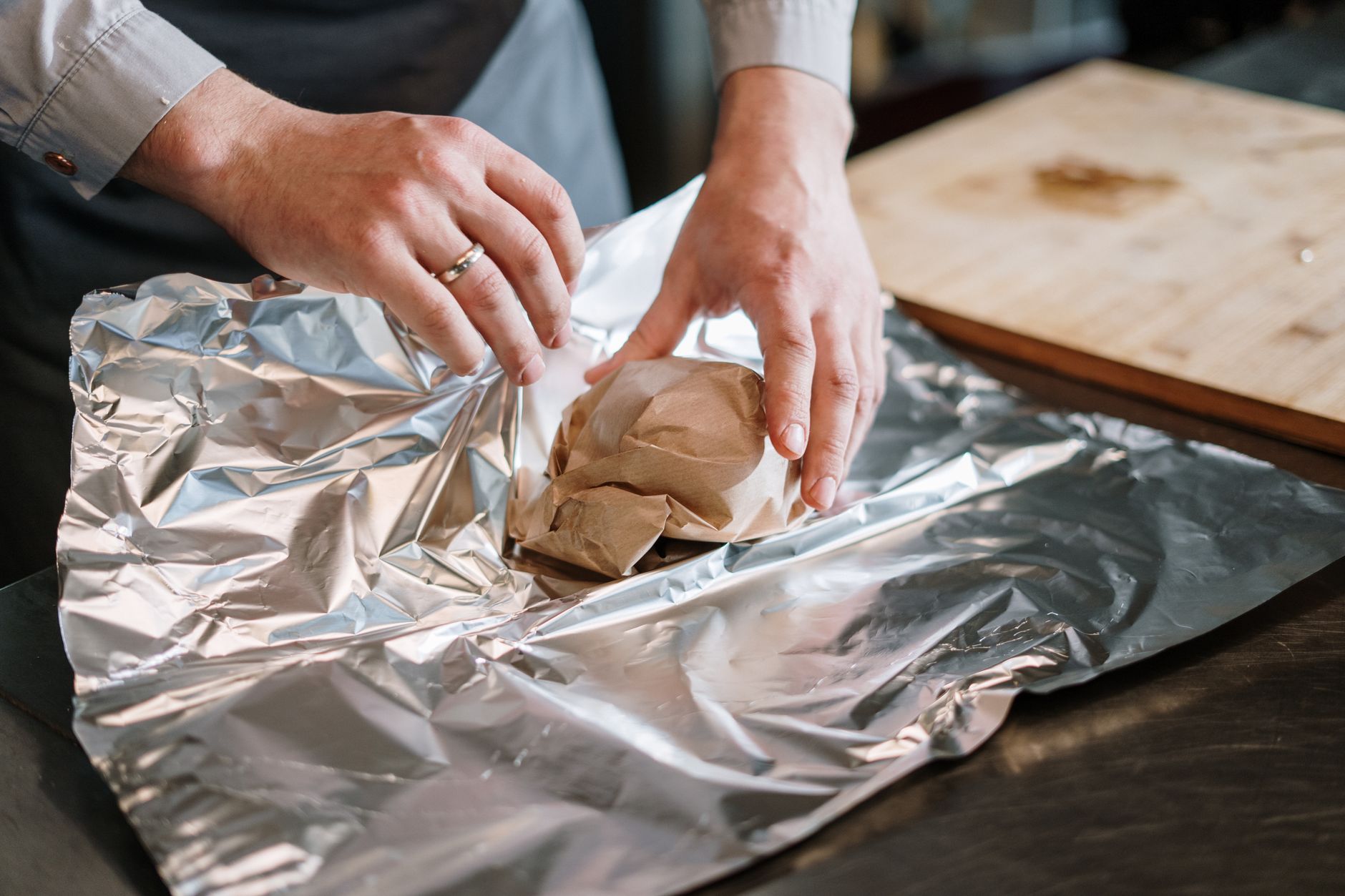
When wrapping food with aluminum foil, aim for an effective closure to maintain moisture and flavor. Here are some tips:
- Leave Some Space: Do not wrap too tightly; leave room for the steam to circulate.
- Fold Edges Neatly: Ensure there are no gaps for steam to escape, thus retaining heat and moisture.
Storing Food with Aluminum Foil
If you’re using aluminum foil for food storage, consider safety guidelines to prevent contamination:
- Cool Foods Before Wrapping: Hot food can create steam that transfers to the foil, leading to moisture levels that promote bacterial growth. Wait until food reaches room temperature.
- Label Wrapped Items: Use a permanent marker to indicate the date, helping manage food freshness.
Cleaning Up After Cooking with Aluminum Foil
Aluminum foil is convenient for cleanup, but here are some tips for making it easier:
- Reuse When Possible: If the foil is clean without major food residue, consider reusing it for future cooking instances.
- Recycle: Many aluminum foils are recyclable. Ensure they are clean and free from food waste before placing them in recycling bins.
Final Thoughts
Cooking with aluminum foil can be a practical and effective method for baking, grilling, and roasting. While there are safety considerations regarding aluminum leaching, following the best practices outlined can mitigate concerns. Embrace the versatility of aluminum foil while being mindful of its appropriate uses in your kitchen.
For those looking to explore further, you may wish to learn more about cooking techniques such as cooking ribs wrapped in foil, which showcases the many ways foil can enhance your culinary experience.