
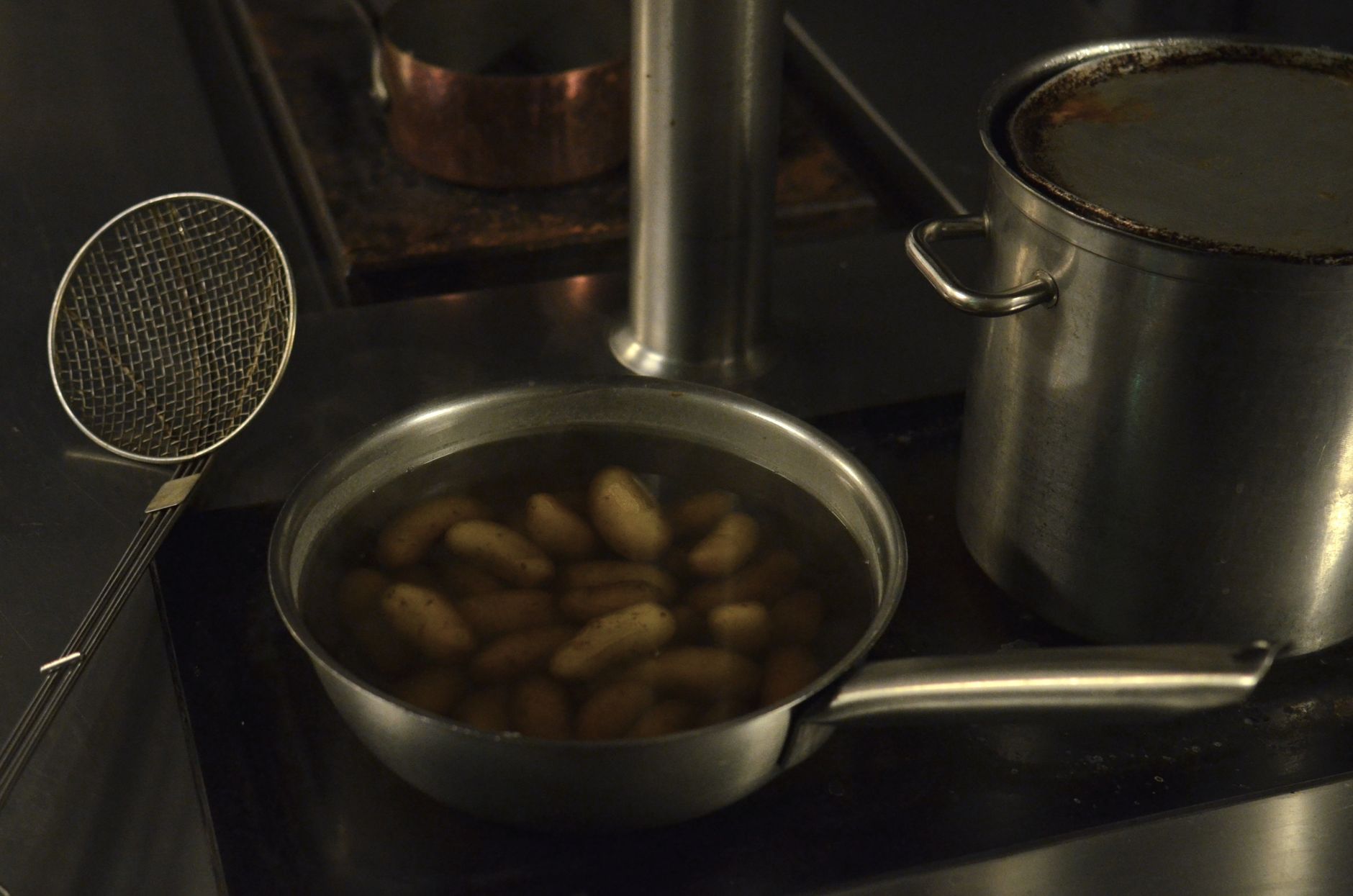
Boiling small potatoes is a fundamental cooking technique that enhances their flavor and texture. Knowing how long to boil them is crucial for achieving perfectly cooked potatoes that are tender yet firm enough to hold their shape. This guide will provide you with insights into the boiling time, temperature, and techniques used to achieve the best results with small potatoes.
Whether you are preparing them for salads, side dishes, or as part of a larger recipe, mastering the boiling process will elevate your culinary skills. Let’s look into how long you should boil small potatoes to get that ideal texture.
How Long Should I Boil Small Potatoes?
The ideal boiling time for small potatoes is typically between 15 to 20 minutes. However, the exact duration can vary depending on the size of the potatoes and the desired tenderness. It’s essential to check for doneness with a fork—when they’re cooked properly, a fork should easily pierce through the potato.
Choosing the Right Small Potatoes
Before boiling, it’s important to select the right type of small potatoes. Often referred to as new potatoes, these are harvested early in the season. They are typically smaller in size, with thin, tender skin and a waxy texture, making them ideal for boiling. Here are a few common types:
- Baby Red Potatoes: Known for their smooth skin and creamy texture, these potatoes are especially flavorful.
- Fingerling Potatoes: These are small, finger-shaped potatoes that come in various colors and have a rich, nutty taste.
- New Yukon Gold Potatoes: These have a slightly yellow hue and a buttery flavor; they become fluffy when boiled.
- White Potatoes: These have a smooth skin and offer a mild flavor, making them versatile for various dishes.
The Boiling Process
Preparation
Start by cleaning the potatoes thoroughly under cool running water. Use a vegetable brush to remove any dirt. For uniform cooking, consider cutting larger small potatoes in half, while smaller ones can be left whole.
Ingredients and Equipment Needed
- Ingredients:
- Small potatoes (1 to 2 pounds depending on your needs)
- Water (enough to cover the potatoes in the pot)
- Salt (optional, for seasoning)
- Equipment:
- Large pot with a lid
- Colander for draining
- Slotted spoon
- Fork or knife for testing doneness
Step-by-Step Boiling Instructions
- Place the cleaned small potatoes in a large pot.
- Add enough water to cover the potatoes by about an inch.
- If desired, add a teaspoon of salt to the water for enhanced flavor.
- Cover the pot and bring the water to a rolling boil over medium-high heat.
- Once boiling, reduce the heat to medium and allow the potatoes to boil.
- Check for doneness at the 15-minute mark by piercing a potato with a fork. If the fork goes in easily, they’re done. If not, continue boiling, checking every couple of minutes.
- Once cooked, carefully drain the potatoes in a colander and let them sit for a minute to steam off excess moisture.
- Serve warm or use them in your desired recipe.
Timing Is Key: How to Test Doneness
Testing small potatoes for doneness is crucial to achieving the perfect boil. Here are a few tips to consider:
- Use a fork or a sharp knife to pierce the potato. When it slides in easily with little resistance, the potatoes are cooked.
- A fork should leave a slight indentation but not break the potato apart, indicating they are tender yet firm.
- Take care not to overcook them, as this can lead to a mushy texture.
Common Mistakes to Avoid
While boiling small potatoes is a simple task, there are several common mistakes that can affect the outcome:
- Not salting the water: This can lead to bland-tasting potatoes. Adding salt enhances flavor.
- Overcrowding the pot: If there are too many potatoes in a small pot, they may not cook evenly. Boil in batches if necessary.
- Boiling at too high a temperature: Rapid boiling can break potatoes apart. A gentle boil is ideal.
- Not checking doneness: Avoid guessing. Use a fork or knife to check for tenderness periodically.
Variations and Serving Suggestions
Boiled small potatoes are incredibly versatile and can be used in a multitude of recipes or served as is. Here are a few ideas:
- Herbed Potato Salad: Toss boiled potatoes with olive oil, vinegar, herbs, and seasonings for a simple potato salad.
- Garlic Mashed Potatoes: Mash the boiled potatoes with butter, cream, and roasted garlic for a delicious twist.
- Whole Roasted Potatoes: After boiling, toss the potatoes in olive oil and seasonings, then roast in the oven until crispy.
- Stir-Fried Potatoes: Cut boiled small potatoes into cubes and stir-fry with vegetables for a quick side dish.
Storage and Reheating
If you have leftover boiled small potatoes, here’s how to store them properly:
- Allow the potatoes to cool completely before storing.
- Place the cooled potatoes in an airtight container and refrigerate them within two hours of cooking.
- Boiled potatoes can be stored in the refrigerator for up to three to five days.
When reheating, you can microwave the potatoes on medium heat until heated through or sauté them in a pan with a bit of oil to revive their texture.
Tips for Perfectly Boiled Small Potatoes
Here are additional tips to achieve the best boiled potatoes:
- For extra flavor, consider adding herbs such as thyme or rosemary to the pot while boiling.
- DIY potato seasoning: After boiling, toss with melted butter, garlic, and chopped parsley for a quick, flavorful side dish.
- Experiment with different kinds of potatoes for varied flavor and texture.
How to Modify Boiling Times
Boiling times can vary based on several factors, including potato size and variety. Here’s a quick reference for adjusting boiling times:
| Potato Size | Boiling Time |
|---|---|
| Small (1-2 inches) | 15-20 minutes |
| Medium (2-3 inches) | 20-25 minutes |
| Large (over 3 inches) | 25-30 minutes |
The table above gives basic guidelines, but always check for doneness with a fork to determine the exact cooking time of your specific batch.
Conclusion
Boiling small potatoes is a straightforward process that, when done correctly, results in a delicious component for many meals. By following the outlined steps and tips, you can ensure your potatoes are tender, flavorful, and ready to be enjoyed. Now it’s time to get boiling!
For more cooking tips and recipes, explore our guides on how long to boil asparagus and try out our boiled peanuts recipe.