
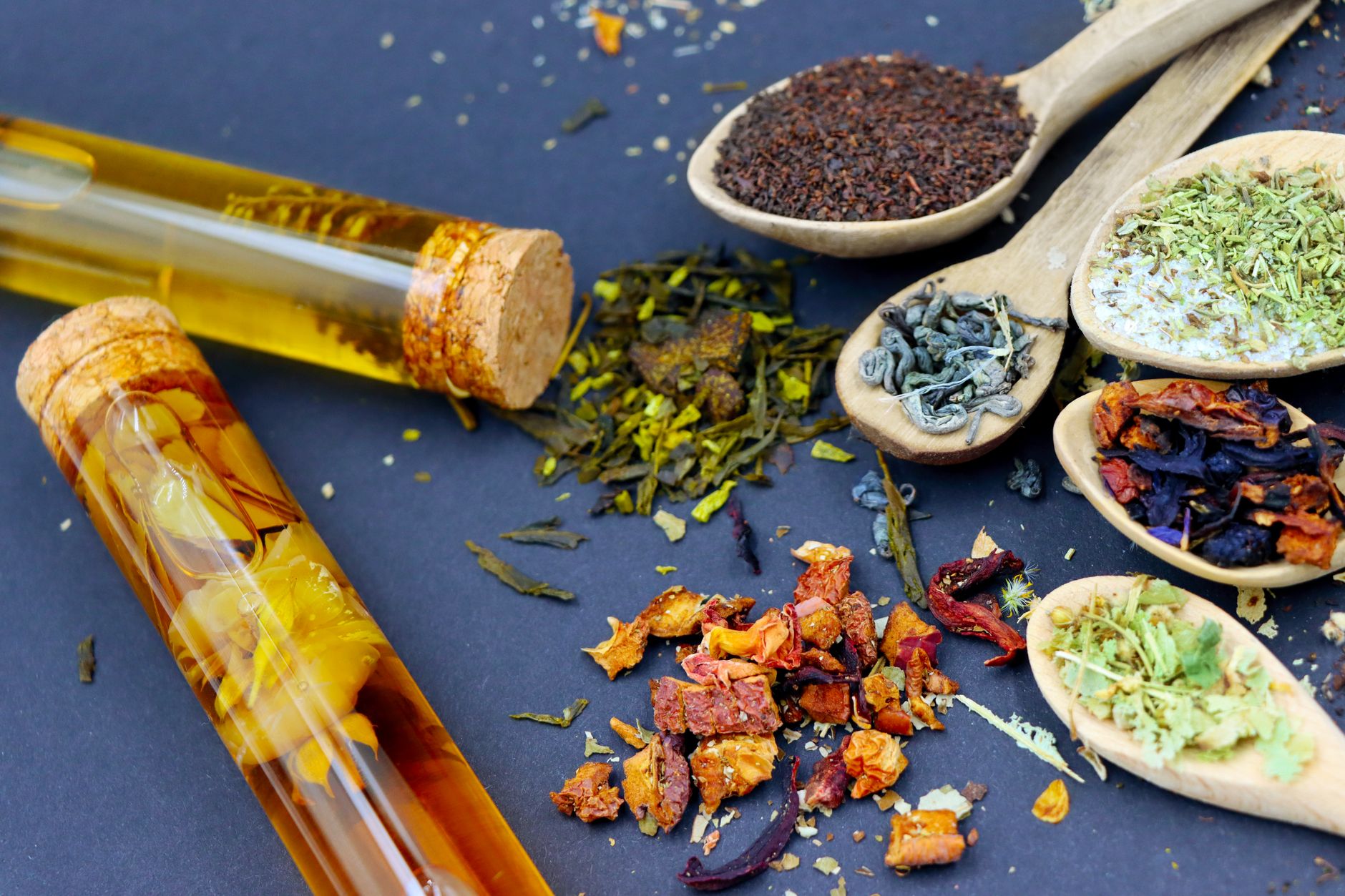
Black tea and green tea are among the most popular beverages worldwide, each with unique flavors, properties, and health benefits. Consumers often wonder which tea might be better for them, leading to a deeper exploration of their differences. In this article, we will compare black tea and green tea, discussing their health benefits, flavor profiles, preparation methods, and culinary uses to help you make an informed choice.
Both types of tea originate from the Camellia sinensis plant, but their processing methods determine their distinct characteristics. Understanding these differences can enhance your tea-drinking experience and allow you to choose which one suits you best based on taste preferences and health goals.
Is Black Tea or Green Tea Better for You?
Choosing between black tea and green tea ultimately depends on personal preferences and health objectives. Both teas offer unique health benefits generally attributed to their caffeine content, antioxidant properties, and potential contributions to overall well-being. However, individual needs and tastes will guide the best choice.
Understanding the Basics: Black Tea vs. Green Tea
To appreciate the differences between black tea and green tea, it is essential to understand how they are processed. Here’s a breakdown of their key characteristics:
Processing Methods
- Black Tea: To produce black tea, the leaves are fully oxidized. This oxidation process gives black tea its darker color and bold flavor. Common varieties include Assam, Darjeeling, and Earl Grey.
- Green Tea: Green tea leaves are minimally oxidized. Typically, they are steamed or pan-fried shortly after harvesting to preserve their color and fresh flavor. Popular varieties include Sencha, Matcha, and Jasmine Green Tea.
Flavor Profiles
The flavor of black tea tends to be robust and astringent, often with malty or fruity undertones. In contrast, green tea usually has a lighter, more delicate flavor with grassy, herbal, or oceanic notes. The variations within each category depend on specific types, regions, and preparation methods.
Health Benefits of Black Tea
Black tea is especially celebrated for its health benefits. Here are some of the most notable:
Rich in Antioxidants
Black tea contains polyphenols, which are powerful antioxidants that help combat oxidative stress in the body. Regular consumption may support the prevention of chronic diseases by reducing inflammation and protecting cells.
Enhanced Heart Health
Some studies have suggested that black tea may promote heart health by improving cholesterol levels and supporting healthy blood pressure. These benefits could contribute to a lower risk of heart disease.
Improved Gut Health
The polyphenols in black tea can also promote gut health by stimulating the growth of beneficial bacteria and inhibiting harmful bacteria. A healthy gut microbiome is linked to various aspects of well-being, including digestion and immune function.
Potential Weight Management Support
Some research indicates that the caffeine content in black tea may help boost metabolism and improve fat oxidation, potentially aiding weight management efforts.
Health Benefits of Green Tea
Green tea is equally renowned for its array of health benefits, many of which stem from its high antioxidant content.
Immense Antioxidant Capacity
Green tea is particularly rich in catechins, a class of powerful antioxidants that may help protect the body from damage caused by free radicals. These compounds can contribute to better overall health.
Weight Loss Support
The caffeine and catechins in green tea have been associated with increased fat burning and improved metabolic rates. This makes it a popular choice for those looking to lose weight or maintain a healthy weight.
Potential Cancer Prevention
Some studies suggest that the antioxidants in green tea may have protective effects against certain types of cancer, including breast, prostate, and colorectal cancers. However, more research is needed to confirm these findings.
Promotes Mental Clarity
Green tea contains L-theanine, an amino acid that can promote relaxation without causing drowsiness. This combination of caffeine and L-theanine may enhance cognitive function and concentration.
Choosing the Right Tea for You
Now that the health benefits of both black tea and green tea have been highlighted, consider the following factors when choosing which tea may be better for you:
Caffeine Sensitivity
If you are sensitive to caffeine or looking to reduce your intake, green tea is usually a better option, as it typically contains less caffeine than black tea. However, individual amounts can vary based on brewing time and tea variety.
Flavor Preference
Your taste preference will significantly influence your choice. If you enjoy bold, robust flavors, black tea may be more suitable. Conversely, if you prefer lighter, more delicate tastes, green tea might be your priority.
Specific Health Goals
Consider your health objectives. If you want to support heart health or gut health, black tea may be your choice. If your goal is weight management or improved cognitive function, green tea might be more aligned with your needs.
Preparation Methods for Black and Green Tea
How you prepare tea can affect its flavor and health benefits. Here are some tips for brewing both black and green tea to maximize your experience:
Brewing Black Tea
- Water Temperature: Use boiling water (around 200–212°F or 93–100°C) to extract the bold flavors of black tea.
- Steeping Time: Steep for 3 to 5 minutes, depending on your preferred strength. Longer steeping times will make the tea stronger and can increase bitterness.
- Tea to Water Ratio: Generally, use one teaspoon of tea leaves for every 8 ounces of water.
Brewing Green Tea
- Water Temperature: Green tea should be steeped in water that is around 160–185°F (71–85°C) to prevent bitterness.
- Steeping Time: Steep for 2 to 3 minutes for a light, fresh flavor. Oversteeping can lead to astringency.
- Tea to Water Ratio: Use one teaspoon of tea leaves for every 8 ounces of water, similar to black tea.
Common Mistakes When Brewing Tea
Even experienced tea drinkers can make mistakes. Here are some common issues and how to troubleshoot them:
Oversteeping
Steeping tea for too long can lead to bitterness. If your tea tastes overly astringent, try reducing the steeping time or the amount of tea leaves used.
Wrong Water Temperature
Using water that is too hot for green tea can ruin its delicate flavor profile. Investing in a thermometer can help you achieve the correct water temperature for both types of tea.
Using Old Tea Leaves
Tea leaves can lose flavor and potency over time. Store your tea in a cool, dry place, preferably in an airtight container to maintain freshness.
Culinary Uses for Black Tea and Green Tea
Both black tea and green tea have culinary applications beyond just drinking. Here are a few ways you can incorporate them into your cooking:
Using Black Tea in Cooking
- Infused Syrups: Create simple syrups by steeping black tea in sugar water to use in cocktails or desserts.
- Marinades: Use brewed black tea as a base for marinades, adding depth of flavor to meats and vegetables.
- Baking: Incorporate black tea into baked goods, such as cakes or cookies, for added moisture and flavor.
Using Green Tea in Cooking
- Matcha Desserts: Use matcha green tea powder to create unique desserts like cakes, ice creams, or cookies.
- Salad Dressings: Incorporate brewed green tea into salad dressings for a fresh flavor.
- Rice and Broths: Brew green tea to use as a cooking liquid for rice or broth, adding an earthy undertone.
Storage Tips for Fresh Tea
Storing tea correctly can significantly affect its freshness and flavor. Here are some tips:
- Keep it Cool: Store tea in a cool, dark place away from direct sunlight.
- Use Airtight Containers: Transfer tea to an airtight container to keep out moisture and odors.
- Avoid Strong Smells: Do not store tea near spices or strong-smelling foods, as this could alter its flavor.
Whether you choose black tea or green tea, both can offer delicious flavors and numerous health benefits. Your choice may ultimately depend on personal taste, lifestyle, and health goals. Whichever tea you prefer, take the time to explore and experiment with it for the best experience.
Consider trying out different brewing methods, experimenting with culinary applications, or blending flavors to find your preferred ways to enjoy these teas. Delve into the world of black and green tea, and discover what each can bring to your life.
Explore related recipes such as what is black tea and what does green tea taste like to deepen your understanding and enjoyment of these beloved beverages.