
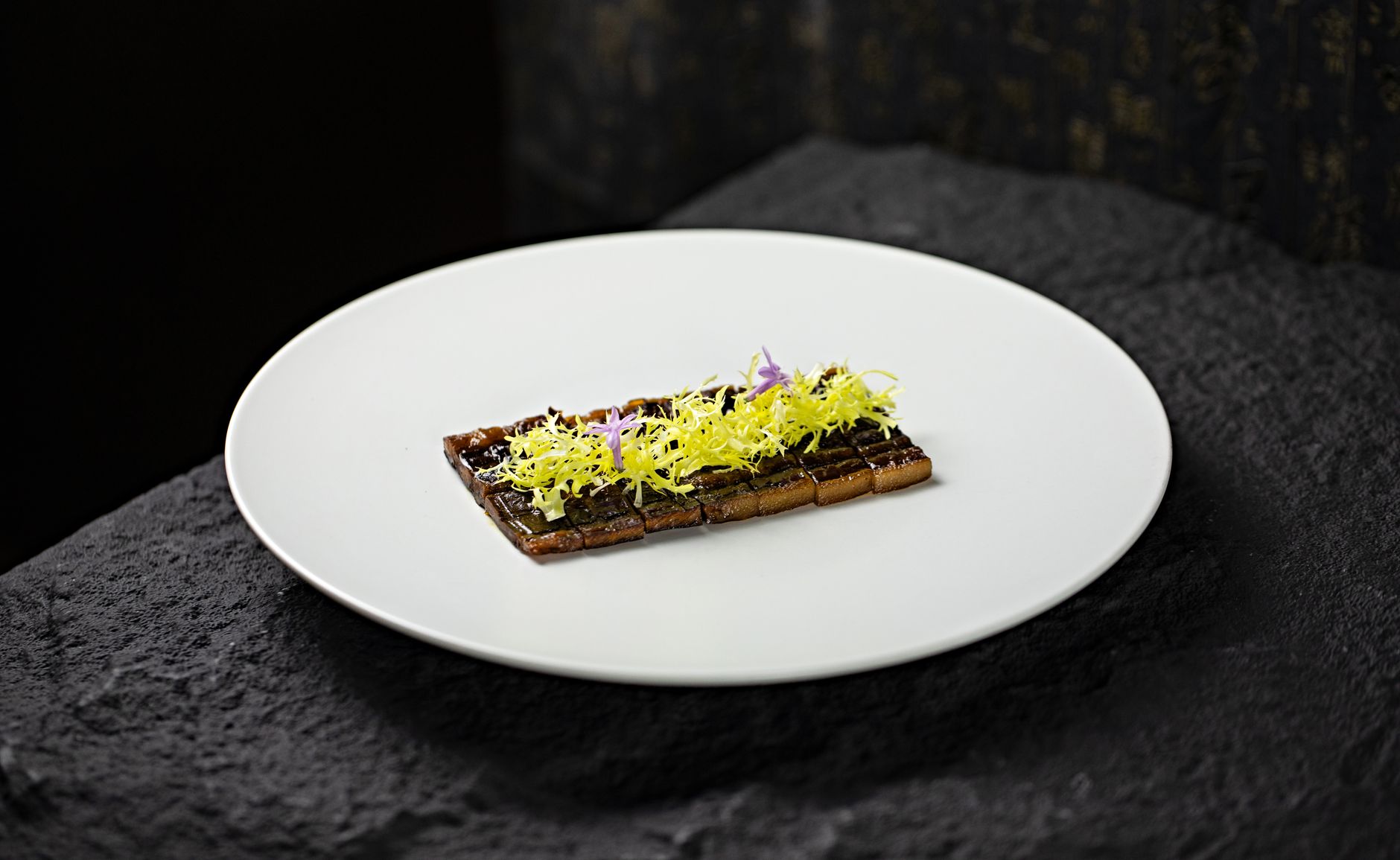
Understanding Michelin stars can elevate your knowledge of fine dining. These prestigious awards recognize exceptional cuisine and the artistry behind it. The Michelin Guide, originating in France, rates restaurants on a scale of one to three stars based on quality, creativity, and authenticity.
In this guide, we will explore the significance of Michelin stars, how they are awarded, the meaning behind each level, and what it takes for a restaurant to maintain its reputation over time.
How Many Michelin Stars Can You Have?
A restaurant can achieve a maximum of three Michelin stars. One star indicates a “very good restaurant,” two stars signify “excellent cooking that is worth a detour,” and three stars denote “exceptional cuisine that is worth a special journey.” The guide is highly coveted in the culinary world, and each star can significantly impact a restaurant’s business and reputation.
The History of Michelin Stars
The Michelin Guide was first published in 1900 by the French tire company Michelin as a way to encourage driving and, consequently, tire sales. Over time, it evolved into a revered publication that reviews restaurants. The Michelin stars began to be awarded in the 1920s, and they have become symbols of culinary excellence.
The Criteria for Awarding Michelin Stars
Determining how many stars a restaurant can receive involves a thorough inspection process by anonymous Michelin inspectors. The criteria include:
- Quality of Ingredients: The use of fresh, high-quality ingredients is essential.
- Mastery of Flavor and Cooking Techniques: Chefs must demonstrate exceptional skill in preparation and flavor balance.
- Personality of the Chef in the Cuisine: The restaurant’s food should reflect the chef’s unique style and creativity.
- Value for Money: A Michelin-starred restaurant should provide exceptional food relative to its pricing.
- Consistency: The quality of the food should be consistent across visits and throughout the menu.
The Different Levels of Michelin Stars
One Star
A one-star rating signifies a “very good restaurant.” Such establishments provide a relaxed dining experience and show attention to detail in their cooking. This star often helps local restaurants gain significant recognition in their area.
Two Stars
Restaurants with two stars demonstrate “excellent cooking that is worth a detour.” These establishments can offer innovative cuisine with refined techniques and strong flavors. A two-star rating often appeals to both local diners and tourists, as it reflects commitment to high-quality food.
Three Stars
Three-star ratings are the pinnacle of culinary achievement, indicating “exceptional cuisine that is worth a special journey.” Restaurants awarded three stars exhibit unparalleled quality and innovation. They often feature tasting menus or signature dishes that are meticulously priced, showcasing the height of culinary craftsmanship.
How Michelin Stars Are Lost
Because Michelin stars are awarded based on continuous quality and consistency, it is equally easy for restaurants to lose their stars as it is to gain them. Inspectors return annually to reassess restaurants, and if performance dips, stars can be revoked. Factors leading to the loss of star status include:
- Inconsistent food quality.
- Subpar service experiences.
- Changes in the chef or management that impact the food quality.
- Failure to maintain the same level of creativity and excellence.
The Importance of Michelin Stars
Receiving a Michelin star can dramatically impact a restaurant’s business. Here are several reasons Michelin stars are significant:
- Increased Recognition: Michelin stars elevate the restaurant’s reputation and visibility, attracting more patrons.
- Enhanced Revenue: Starred restaurants often experience a surge in bookings and can raise their prices due to heightened demand.
- Talent Attraction: A starry reputation helps to attract skilled chefs and staff, enhancing the restaurant’s culinary strength.
- Brand Value: Restaurants with one or more Michelin stars are often considered premier dining options, elevating their brand.
Micheline Stars Across the Globe
While the Michelin Guide began in France, it has expanded its reach to numerous cities worldwide, including:
- New York City: Home to an array of Michelin-starred establishments, reflecting the city’s diverse culinary scene.
- Tokyo: Holds the largest number of Michelin-starred restaurants in the world, showcasing Japanese cuisine’s richness.
- Berlin: A hub for creative and innovative dining experiences, featuring a growing number of starred restaurants.
- San Francisco: Known for its tech-savvy dining culture and a beautiful union of fresh ingredients and culinary innovation.
Culinary Awards Beyond Michelin Stars
While Michelin stars are among the most recognized culinary accolades, they aren’t the only awards that celebrate excellence in dining. Other notable awards include:
- James Beard Awards: Often referred to as the “Oscars of the food world,” these awards highlight outstanding chefs and their contributions to American cuisine.
- World’s 50 Best Restaurants: This list ranks the best dining establishments around the globe, based on the opinions of culinary experts.
- Aaok Awards: Established to recognize hospitality excellence in fine dining, also highlighting the restaurant’s service and atmosphere.
The Impact of the Michelin Guide on Dining Culture
The Michelin Guide not only influences fine dining establishments but has also impacted the broader dining landscape. Here are crucial elements of this impact:
- Raising Standards: The existence of the Michelin Guide has motivated many restaurants to improve their quality, service, and dining experience.
- Training Opportunities: Chefs aspiring for Michelin stars often seek further training and education, boosting their skills.
- Media Influence: The guide generates considerable media attention, drawing food enthusiasts and critics alike.
Common Questions about Michelin Stars
Can a restaurant lose a star?
Yes, restaurants can indeed lose a star if they fail to maintain the quality and consistency of their food and service. Stars are reassessed every year.
Do chefs maintain their stars when they move to another restaurant?
No, stars are awarded to restaurants, not chefs. When a chef moves, the new establishment must undergo its own evaluations for Michelin stars.
How can a restaurant prepare for a Michelin inspection?
Restaurants aiming for Michelin recognition should focus on delivering consistently high-quality food, excellent service, and a cohesive dining experience. Emphasizing creativity and attention to detail can also improve their chances.
Summary and Conclusion
The Michelin star system has a profound impact on the culinary world, highlighting extraordinary talents and dining experiences. With one to three stars, these achievements serve as benchmarks for quality. It is essential for both diners and restaurant owners to understand the significance behind these stars and what constitutes exceptional dining.
For those passionate about gastronomy, exploring starred restaurants can yield unforgettable experiences. Next time you’re dining out, consider not just the food on your plate but the journey each dish underwent to reach you. Enjoy discovering culinary creations worthy of stars!
Explore more culinary insights and guides, such as budget cooking tips or quick and easy meal-prep ideas as you continue your food adventure!