
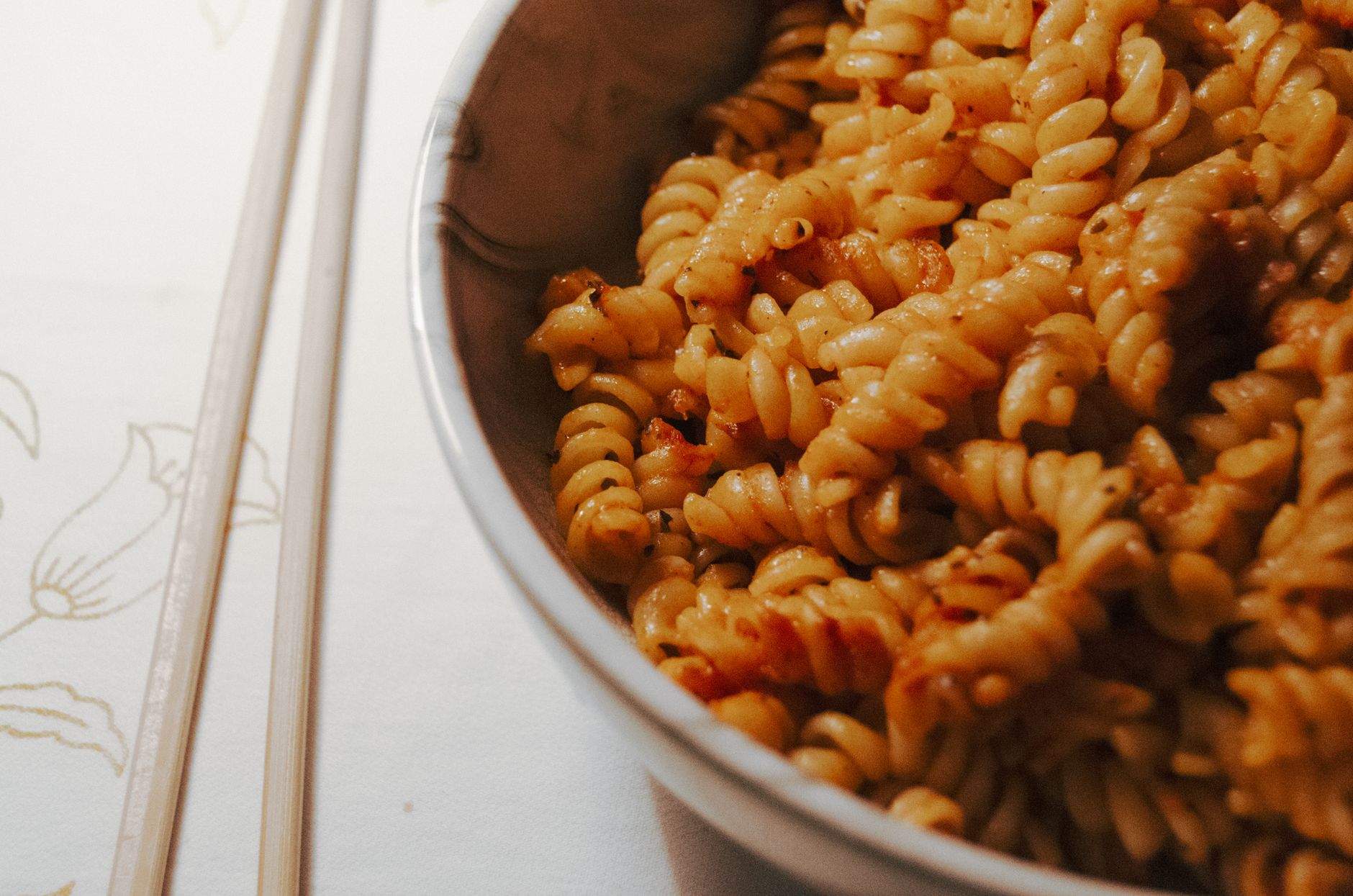
Spiral noodles are a beloved shape in the pasta world, known for their unique form that captures sauces and flavors beautifully. They are famously versatile, working well in salads, casseroles, and soups. But what exactly are these spiral noodles called? This article delves into the various types of spiral noodles, their culinary uses, and their fascinating history.
The culinary term that best describes spiral noodles is “fusilli.” Derived from the Italian word for “spindle,” fusilli’s corkscrew shape is perfect for holding onto sauces, making it a popular choice in both traditional and modern dishes. Let’s explore the world of fusilli and other spiral pasta shapes.
What Are Fusilli and Other Spiral Noodles Called?
Fusilli is the most common name used for spiral noodles, but it’s not the only one. Other types of spiral pastas include:
- Gemelli: Though not a true spiral, gemelli is composed of two twisted strands of pasta that resemble a spiral shape.
- Cavatappi: This pasta is shaped like a corkscrew but has a more pronounced twist and is often slightly larger than fusilli.
- Cellentani: Similar to cavatappi, this pasta has a tighter spiral and is also associated with its ability to hold sauces well.
- Strozzapreti: Sometimes called “priest stranglers,” these twisted rolls of pasta resemble a tighter spiral and are popular in rustic Italian cooking.
While fusilli remains the most universal term, understanding these variations helps cooks choose the right shape for specific dishes. Each type brings a unique texture and mouthfeel that can change a dish’s overall experience.
The History and Origins of Fusilli
The origins of fusilli trace back to Italy, where it has been made since at least the 15th century. Initially hand-rolled, the pasta was shaped around a thin rod or spindle, which explains its name. Traditionally, fusilli was often used in regions like Southern Italy, in dishes that leaned heavily on rich tomato sauces, olive oil, and vegetables.
The rise of commercial pasta production in the late 19th to early 20th century made fusilli accessible globally. Today, it is enjoyed in various forms and recipes around the world. Fusilli’s popularity can also be attributed to its ability to hold onto sauces better than other pasta types, making it a choice ingredient in both classic and modern recipes.
Understanding Fusilli’s Culinary Uses
Fusilli is remarkably versatile in the kitchen. Here are some popular ways to enjoy it:
- Pastas with sauces: Be it a rich marinara or a light pesto, fusilli captures and holds sauce exceptionally well, providing a satisfying texture with each bite.
- Cold pasta salads: Its shape offers a contrast of texture, making it ideal for chilled dishes, served with vegetables and dressing.
- Casseroles: Fusilli can stand up to baking without becoming mushy, making it great in baked pasta dishes.
- Soups: A substantial noodle like fusilli holds its shape well in broth, adding heartiness and substance.
Given its robust shape, fusilli also pairs exceptionally well with a range of ingredients, such as vegetables, proteins, and cheeses. This adaptability opens up endless possibilities for home cooks.
Cooking Fusilli: Techniques and Tips
Cooking fusilli is straightforward, but a few techniques and tips can enhance the experience:
Basic Cooking Method
- Boil water: Use a large pot with ample water. A general rule is about 4 to 6 quarts of water per pound of pasta.
- Season the water: Salt the water generously; it should taste like the sea. This enhances the pasta’s flavor.
- Add fusilli: Pour in the fusilli and stir briefly to prevent sticking.
- Cooking time: Cook according to package directions, usually around 7 to 10 minutes until al dente—a slight bite should remain.
- Drain and reserve water: Drain fusilli in a colander, but reserve some cooking water to adjust the sauce’s consistency later.
Common Cooking Mistakes
Avoid these pitfalls to ensure perfectly cooked fusilli:
- Not salting the water: This is a critical step; unseasoned pasta will be bland.
- Overcooking: Fusilli should be cooked until al dente, as it continues cooking slightly after being removed from water.
- Not stirring: Failing to stir the first minute can cause fusilli to stick together.
Storing and Reheating Fusilli
Proper storage and reheating techniques greatly enhance the longevity and quality of cooked fusilli:
Storage
- Cooked fusilli: Store in an airtight container in the refrigerator for up to 3 to 5 days. For best results, drizzle with a little olive oil to prevent sticking.
- Uncooked fusilli: Keep dry pasta in a cool, dry place in its original packaging or an airtight container.
Reheating
- Stovetop: Add to a skillet with a bit of water or sauce and heat over medium until warm.
- Microwave: Place in a microwave-safe bowl with a splash of water. Cover, and heat in short bursts, stirring in between.
Exploring Variations and Substitutes
Fusilli can come in several forms, including whole wheat, gluten-free, and even veggie-infused options. Here’s a look at some of these variations:
- Whole Wheat Fusilli: A healthier option, it provides additional fiber and nutrients but may have a slightly nuttier flavor.
- Gluten-Free Fusilli: Typically made from rice or corn flour, gluten-free varieties may vary in texture and cook time compared to traditional fusilli.
- Vegetable Fusilli: Made from vegetables like spinach or beetroot, this pasta offers color and different nutritional content.
For those needing to substitute fusilli in a recipe, consider the following options, keeping in mind that each type impacts the dish:
- Penne: Slightly larger and tubular, but also holds sauce well.
- Rotini: A similar spiral shape, but with tighter twists.
- Shells: The concave shape of shells captures sauce and ingredients well, offering a different texture.
Creative Serving Suggestions
Enhancing your fusilli dishes can be as simple as tweaking ingredients or adding textures. Here are some suggestions:
- Add protein: Incorporate grilled chicken, shrimp, or beans for a hearty meal.
- Include vegetables: Toss in fresh or roasted vegetables such as spinach, bell peppers, and cherry tomatoes.
- Top with cheese: Finish with freshly grated Parmesan or feta for added flavor.
A Simple Fusilli Recipe: Garlic Parmesan Fusilli
This recipe showcases the versatility of fusilli and is quick to prepare, making it perfect for weeknight dinners.
Yield:
4 servings
Preparation Time:
10 minutes
Cooking Time:
10 minutes
Total Time:
20 minutes
Ingredients:
- 12 oz fusilli
- 3 tablespoons olive oil
- 4 garlic cloves, minced
- 1/2 teaspoon red pepper flakes (optional)
- 1/2 cup grated Parmesan cheese
- Salt and pepper, to taste
- Fresh parsley, chopped (for garnish)
Essential Equipment:
- Large pot for boiling pasta
- Colander
- Skillet for sautéing
- Measuring cups and spoons
Method:
- Bring a large pot of salted water to a boil.
- Add fusilli and cook according to package directions until al dente.
- While the pasta cooks, heat olive oil in a skillet over medium heat.
- Add minced garlic and red pepper flakes to the skillet. Sauté until fragrant, about 1-2 minutes.
- Drain the fusilli, reserving some pasta water, and add it to the skillet. Toss to combine.
- Remove from heat and stir in Parmesan cheese. If the pasta seems dry, add a bit of reserved pasta water to reach desired consistency.
- Season with salt and pepper to taste. Garnish with fresh parsley before serving.
This simple dish highlights the robust nature of fusilli and can be customized further with proteins or vegetables as desired.
Fusilli noodles are more than just a pasta shape; they represent a piece of culinary history and versatility in your kitchen. Understanding this spiral noodle—from its origins to culinary uses and storage techniques—enables any home cook to make the most of this delightful pasta.
Explore related recipes and cooking tips to immerse yourself further in the world of culinary delights. Check out what pasta is made of or learn about what udon noodles are made of for more insight into different types of noodles.