
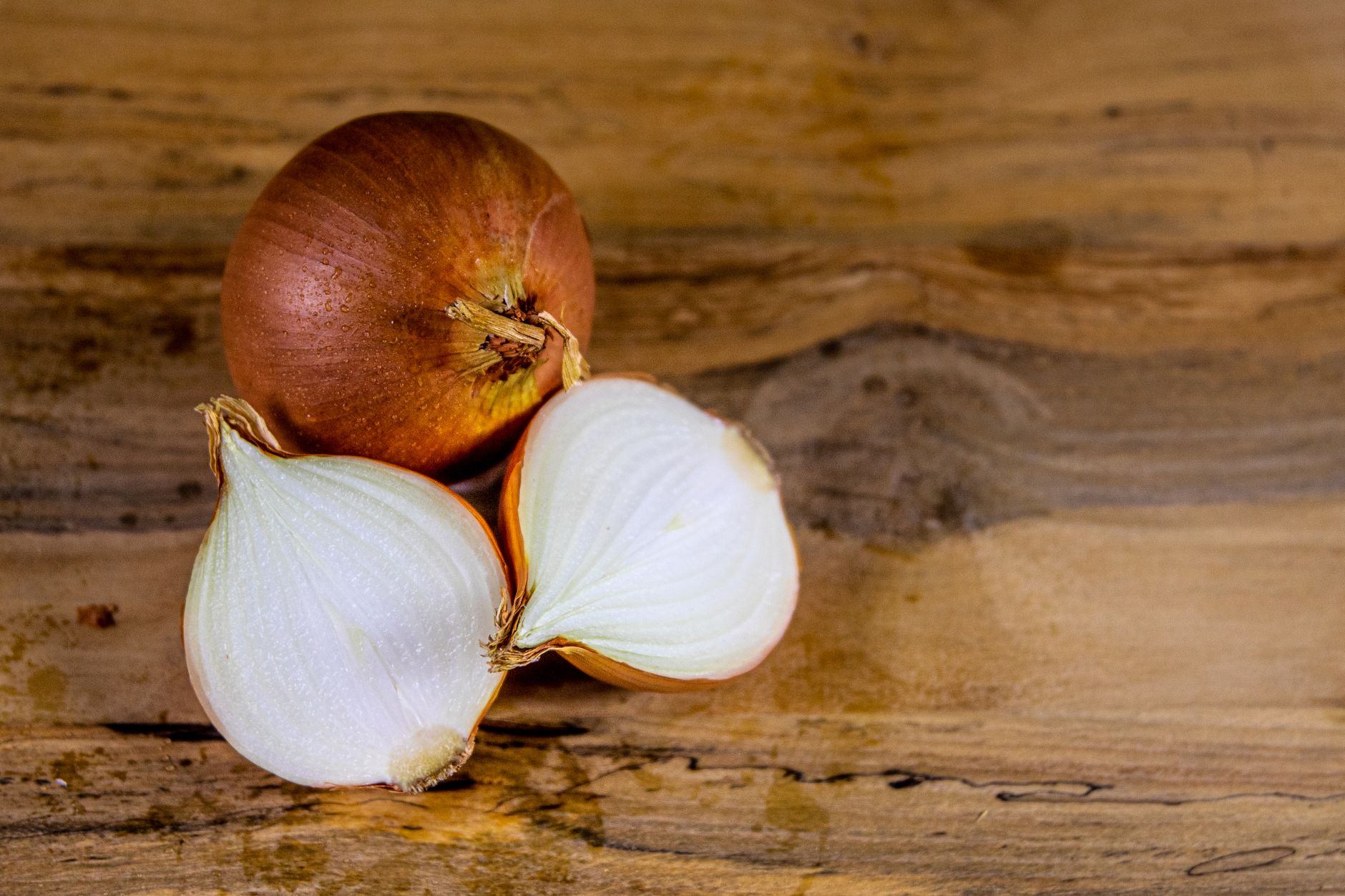
Onions are a staple ingredient in countless dishes, providing a robust flavor and aroma that enhances everything from soups to salads. However, there are times when you may not have fresh onions on hand but have onion powder readily available. Understanding how much onion powder equals the equivalent flavor of one onion can help improve your cooking and meal preparation.
This article serves as a comprehensive guide for using onion powder as a substitute for fresh onions, covering how much you need for various dishes, where each type of onion fits best, and tips for using onion powder effectively.
How Much Onion Powder Equals 1 Onion?
In general, 1 medium-sized onion is equivalent to about 1 tablespoon of onion powder. However, the exact amount can vary based on personal taste preferences, the type of onion being substituted, and the specific culinary application you are working with.
Understanding Onion Varieties
To effectively substitute onion powder for fresh onions, it helps to understand the different types of onions available and their unique flavors:
- Yellow Onions: The most common type, known for their balance of sweetness and acidity.
- Red Onions: Milder and sweeter than yellow onions, often used in salads and garnishes.
- White Onions: Sharper and more intense than yellow, commonly used in salsas and Mexican dishes.
- Sweet Onions: Varieties like Vidalia, known for their sweetness, often enjoyed raw.
When using onion powder, it’s essential to consider the onion variety that your dish calls for, as onion powder may provide a different flavor profile than fresh onions of a specific variety.
Substitution Ratios for Different Onion Types
Here’s a breakdown of how much onion powder you should use in place of fresh onions based on the type:
| Type of Onion | Fresh Onion to Onion Powder Conversion |
|---|---|
| Yellow Onion | 1 medium onion = 1 tablespoon onion powder |
| Red Onion | 1 medium onion = 1 to 1.5 tablespoons onion powder |
| White Onion | 1 medium onion = 1 tablespoon onion powder |
| Sweet Onion | 1 medium onion = 1 tablespoon onion powder |
Bear in mind that these conversions are mere guidelines. Start with the lower end of the spectrum and adjust according to your taste preferences.
Practical Use of Onion Powder
In practical terms, onion powder can seamlessly be incorporated into a variety of dishes. Here are some common uses:
- Soups and Stews: Add onion powder directly to your broth or soup base for a flavorful depth.
- Marinades: Mix onion powder with oil, vinegar, and spices to create a savory marinade.
- Rubs and Seasonings: Combine onion powder in seasoning blends for meats and vegetables prior to cooking.
- Salads and Dressings: Use in homemade vinaigrettes or dressings for added flavor without the crunch of fresh onions.
- Baked Goods: Enhance savory breads and crackers by incorporating onion powder.
Flavor Profile of Onion Powder
Onion powder, made by dehydrating and finely grinding onions, gives a concentrated onion flavor. Unlike fresh onions, which vary in intensity, onion powder has a consistent flavor that can easily enhance dishes. However, it lacks the complexity of freshly diced onions, particularly the natural sweetness that develops when they are sautéed.
Tips for Using Onion Powder
To make the most of onion powder, here are some tips to keep in mind:
- Rehydration: For recipes where fresh onion texture matters, consider rehydrating onion powder in a bit of water before adding it to your dish.
- Incorporation Timing: Add onion powder early in the cooking process to allow its flavor to fully develop.
- Storage: Keep onion powder in an airtight container in a cool, dry place to maintain its potency.
Common Mistakes When Using Onion Powder
Using onion powder effectively does have its pitfalls. Avoid these common mistakes:
- Overuse: Because it is concentrated, too much onion powder can lead to a bitter taste.
- Assuming Equal Flavor: Some recipes require a mild onion flavor, so scaling back might be necessary.
- Incorrect Substitution: Remember, not all onions are created equal when it comes to flavor intensity.
Onion Powder in Vegetarian and Vegan Cooking
Onion powder is not just for hearty meat dishes; it’s a fantastic addition to vegetarian and vegan cooking as well. It can serve as a flavor enhancer in plant-based recipes, providing the essential onion flavor that may be missing if onions are not used fresh. It works well in:
- Vegetable burgers
- Savory roasts
- Vegetable soups and stocks
Onion Powder in Different Cuisines
Different cuisines utilize onion powder in various ways. Here’s how it fits into a few popular world cuisines:
- Indian Cuisine: Onion powder can replace fresh onions in dishes like curries and rice, offering distinct flavor without compromising texture.
- Mexican Cuisine: Often added to spices for tacos, onion powder brings a flavorful punch without the crunch of raw onions in salsas.
- American Cuisine: Frequently used in barbecue rubs and sauces, it plays a vital role in enhancing meat flavors.
Storage and Shelf Life of Onion Powder
Store onion powder in a tightly sealed container to prevent moisture from entering, which can lead to clumping and a loss of flavor. When stored properly in a cool, dark place, onion powder can last up to three years, though the best flavor will be experienced within the first year. Make sure to check expiration dates and avoid using powder that has become discolored or lost its aroma.
Conclusion
Substituting onion powder for fresh onions can be a convenient and effective option in your cooking. With a general rule of thumb of using 1 tablespoon of onion powder to replace one medium onion, you can boost flavor across a variety of dishes without the hassle of chopping and cooking fresh onions.
Explore onion powder’s versatility and incorporate it into your cooking routine for a well-rounded flavor profile. For your next culinary endeavor, consider trying onion jam or a flavorful Tennessee onion dish to experience the onion flavor in new and exciting ways!
If you would like to explore more recipes, cooking tips, or ingredient substitutions, check out our articles on onion jam recipe and Tennessee onions recipe.