
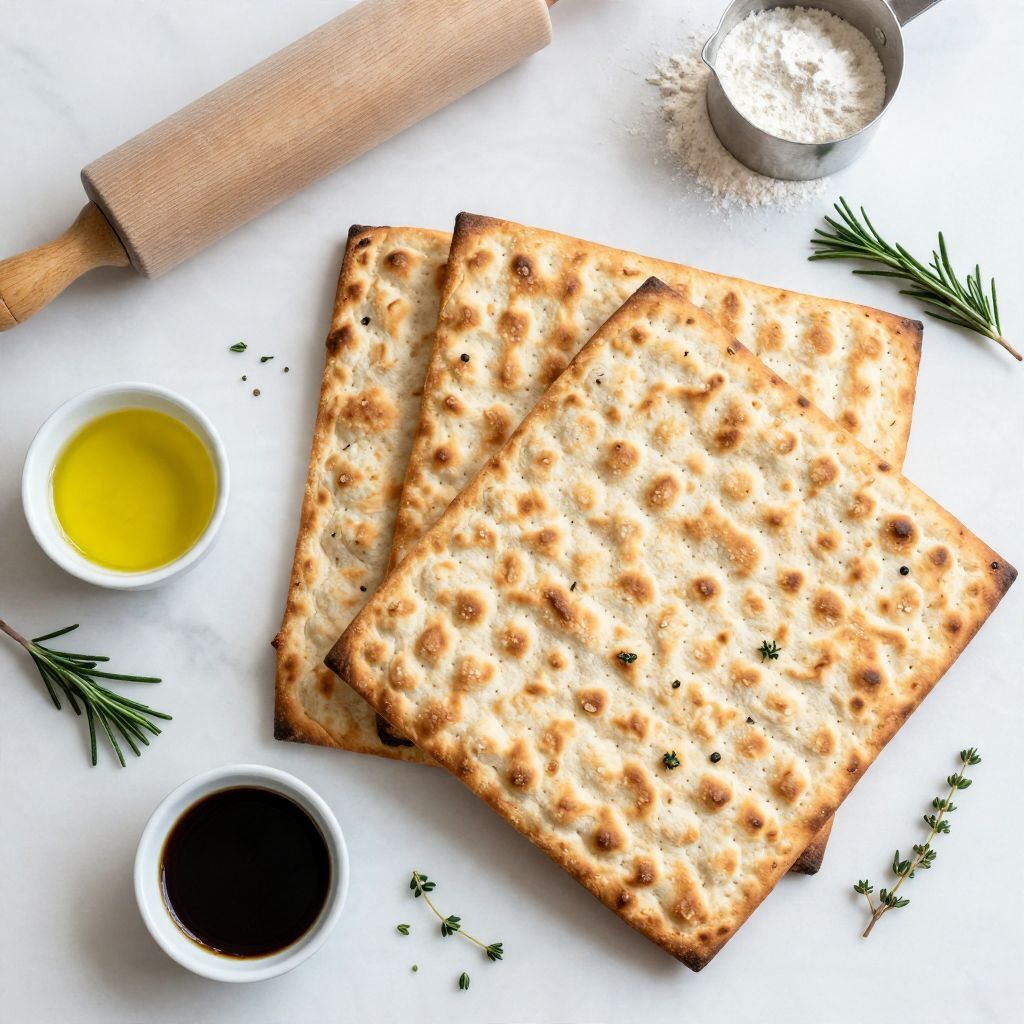
There’s something magical about the smell of freshly baked Unleavened Bread wafting through the kitchen, evoking memories of family gatherings and shared meals. This simple yet satisfying recipe is not just about the ingredients; it embodies tradition, offering a delightful, chewy texture and a slightly nutty flavor that pairs beautifully with various dishes.
What makes this recipe special is its ease and versatility. You can whip it up in no time, making it perfect for busy weeknights or special occasions. Let’s dive into the ingredients and get started!
Why You’ll Love This Recipe
This recipe is a keeper for so many reasons.
- Quick to prepare, with minimal ingredients.
- Perfect for various meals, from dips to soups.
- Chewy texture with a satisfying crunch.
- Customizable with herbs and spices for extra flavor.
- Great for gatherings or a cozy night in.
My Experience Making This Recipe
Trying my hand at making Unleavened Bread for the first time was an adventure. The simplicity of the process allowed me to focus on the flavors rather than intricate techniques.
When I pulled the bread from the oven, it had that beautiful golden hue, and the aroma filled the house. It was a hit at dinner, with everyone reaching for more!
Recipe Overview
- Recipe Name: Unleavened Bread
- Servings: 8
- Prep Time: 10 minutes
- Cook Time: 15 minutes
- Total Time: 25 minutes
- Course: Bread
- Cuisine: Various
- Calories per Serving: 120
Equipment You Will Need
- Mixing bowl
- Rolling pin
- Baking sheet
- Parchment paper
- Oven
Ingredients for Unleavened Bread
- 2 cups all-purpose flour
- 1 teaspoon salt
- 1/4 cup olive oil
- 3/4 cup water
Ingredient Notes and Substitutions
- All-purpose flour: This gives the bread its structure. You can substitute with whole wheat flour for a nuttier flavor.
- Salt: Enhances flavor. Sea salt can be a nice alternative.
- Olive oil: Adds richness. Use melted butter for a different flavor profile.
- Water: Binds the dough. Any liquid, like broth, can add flavor.
How to Make Unleavened Bread
Step 1: Preheat the Oven
Start by preheating your oven to 400°F (200°C). This ensures a crisp crust right from the get-go.
Step 2: Mix the Dry Ingredients
In a mixing bowl, combine the flour and salt. This step is vital as it evenly distributes the salt throughout the flour.
Step 3: Add Wet Ingredients
Pour in the olive oil and water. Mix until a dough forms, ensuring everything is well combined.
Step 4: Knead the Dough
Turn the dough out onto a floured surface and knead for about 2-3 minutes. This develops the gluten, giving the bread its chewy texture.
Step 5: Roll Out the Dough
Divide the dough into smaller portions and roll each piece out thinly. Thin bread cooks faster and gets that nice crunch.
Step 6: Prepare for Baking
Line your baking sheet with parchment paper and place the rolled-out dough on it. This prevents sticking and makes cleanup a breeze.
Step 7: Bake the Bread
Bake in the preheated oven for about 15 minutes or until golden brown. Keep an eye on it; no one likes burnt bread.
Step 8: Cool Before Serving
Remove the bread from the oven and let it cool slightly. This allows the texture to settle, making it easier to cut.
Pro Tip: For extra flavor, consider adding herbs or spices to the dough before rolling it out.
Tips for the Best Unleavened Bread
- Use warm water for a softer dough.
- Knead the dough just enough to combine; over-kneading can toughen the bread.
- Adjust the thickness of the rolled dough based on your preference for texture.
- Experiment with different oils for unique flavors.
- Store leftovers in an airtight container to maintain freshness.
Common Mistakes to Avoid
- Not measuring flour correctly can lead to dry or crumbly bread.
- Overbaking will result in hard bread instead of chewy.
- Neglecting to preheat the oven can affect cooking times.
- Rolling the dough too thick prevents it from cooking evenly.
Serving Suggestions
This bread is incredibly versatile and pairs well with many dishes.
- Serve with hummus or dips for a delightful appetizer.
- Pair with soups for a hearty meal.
- Use as a wrap for sandwiches.
- Enjoy with olive oil and balsamic vinegar for a simple snack.
Variations to Try
- Add garlic powder for a savory twist.
- Incorporate herbs like rosemary or thyme for added flavor.
- Use whole wheat flour for a healthier option.
- Top with seeds like sesame or poppy before baking for crunch.
Dietary Adaptations
- Gluten-free: Substitute with a gluten-free flour blend, adjusting water as needed.
- Dairy-free: The recipe is already dairy-free; just ensure your oil is suitable.
- Vegan: This recipe is naturally vegan, so you’re good to go!
- Low-carb/Keto: Use almond flour for a low-carb version.
Storage and Reheating
Refrigerator
Store leftover bread in an airtight container in the refrigerator for up to a week.
- Wrap in foil to maintain moisture.
- Slice before storing for easy access.
Freezer
Freeze the bread for longer storage, up to three months.
- Wrap tightly in plastic wrap, then in foil.
- Label with the date for easy reference.
Reheating
Reheat in the oven or a skillet for a few minutes to regain crispness.
- Wrap in foil to prevent over-browning.
- Microwaving is quick but may make the bread chewy.
Nutrition Information
| Nutrient | Amount |
|---|---|
| Calories | 120 |
| Total Fat | 6g |
| Saturated Fat | 1g |
| Carbohydrates | 15g |
| Fiber | 1g |
| Sugar | 0g |
| Protein | 3g |
| Sodium | 140mg |
| Cholesterol | 0mg |
This information is based on standard ingredient measurements and can vary based on exact ingredients used.
Frequently Asked Questions
Can I make this bread ahead of time?
Yes, you can prepare the dough ahead and store it in the refrigerator for up to a day.
What if my dough is too dry?
If your dough feels dry, add a little more water, a tablespoon at a time, until it comes together.
Can I use whole wheat flour?
Absolutely! Whole wheat flour adds a nuttier flavor and a denser texture.
Why is my bread not rising?
This bread is unleavened, so it won’t rise. Its charm lies in its dense, chewy texture.
How do I store leftovers?
Store in an airtight container in the fridge or freeze for longer storage.
Final Thoughts
Making Unleavened Bread is a simple and rewarding experience that brings a piece of tradition to your table. With just a few ingredients and a little time, you can create something delicious and versatile.
So why not give it a try? You might just find it becomes a staple in your kitchen.
Explore more delicious recipes like Lavash Bread or try making Fry Bread for even more fun in your cooking adventures!
Unleavened Bread
Ingredients
Equipment
Method
- Preheat the oven to 400°F (200°C).
- In a mixing bowl, combine the flour and salt.
- Pour in the olive oil and water. Mix until a dough forms.
- Turn the dough out onto a floured surface and knead for about 2-3 minutes.
- Divide the dough into smaller portions and roll each piece out thinly.
- Line the baking sheet with parchment paper and place the rolled-out dough on it.
- Bake in the preheated oven for about 15 minutes or until golden brown.
- Remove the bread from the oven and let it cool slightly.