
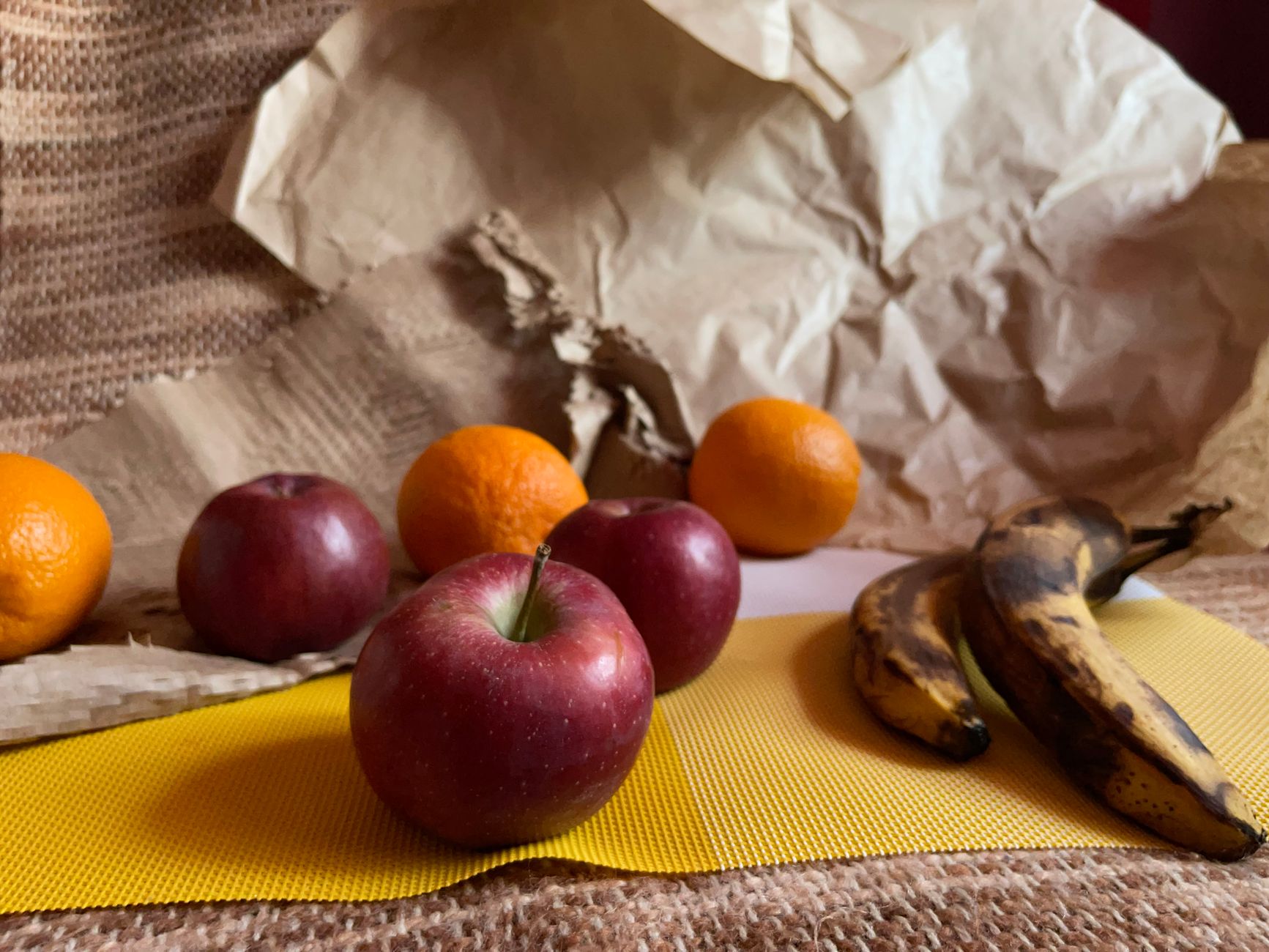
Bananas are a popular, nutritious fruit that can be enjoyed in various ways, but determining the perfect ripeness for specific uses can be tricky. Knowing when a banana is too ripe can help in selecting the best fruit for your culinary needs, whether you plan to eat them as they are, use them in recipes, or store them for later use.
This article delves into identifying the signs of a banana that is too ripe and offers tips for seasonal buying, storage, and best usage to maximize your banana enjoyment.
When Is a Banana Too Ripe?
A banana is considered too ripe when it has developed a significant amount of brown spots and may start to have a mushy texture. This stage often leads to a stronger sweetness and changes in flavor, sometimes making it unsuitable for eating raw but perfect for baking or smoothies.
Identifying Ripe vs. Overripe Bananas
Understanding the stages of ripeness is crucial. Bananas progress through the following stages:
1. Green Bananas
Green bananas are unripe and have a starchy texture with little to no sweetness. They aren’t typically enjoyable to eat raw, as they can be hard and have a somewhat bitter flavor.
2. Yellow Bananas
When a banana turns bright yellow, it is perfectly ripe. At this stage, the banana is sweet, creamy, and ideal for snacking or adding to cereal or yogurt. You’ll notice the fruit becomes softer, yet it shouldn’t be too soft.
3. Freckled or Spotty Yellow Bananas
Bananas with brown spots are a sign of further ripening. They remain sweet but may start losing some structure. These bananas are still good for eating and are excellent for blending into smoothies or making banana oatmeal.
4. Brown-Breaking Bananas
At this point, bananas have an abundance of brown spots that can eventually cover most of the peel. The flesh inside may be very soft and creamy. While some people prefer the taste at this stage, they may become too soft to enjoy raw.
5. Fully Brown or Overripe Bananas
When bananas turn mostly brown and appear very soft, they are considered overripe. Although they may be unappealing to eat raw, this is the perfect stage for baking, particularly in recipes like banana bread or pancakes, where you want a sweeter and softer texture.
Seasonal Buying Guide: Best Time to Buy Bananas
Bananas are available year-round, but buying them during specific seasons may help you find fresher selections. Understanding factors influencing the supply can enhance your fruit selection:
- North America: Generally, bananas shipped to North America are harvested while still green, allowing them to ripen during their journey. In winter months, fresh bananas are more readily available.
- Local Markets: Buying from local farmers’ markets can offer fresher options as they are often harvested closer to your purchasing time.
In essence, regardless of season, selecting bananas that are medium yellow without blemishes yields the best results. Pay attention to your purchasing method and sourcing to ensure optimal quality.
Best Storage Practices for Bananas
How you store your bananas can affect their ripening process. Follow these guidelines to ensure you get the most out of your bananas:
1. Room Temperature Storage
Bananas do well at room temperature, away from direct sunlight. They will continue to ripen in this environment. If you have green bananas, it’s best to keep them in a fruit bowl until they reach the desired ripeness.
2. Refrigeration for Ripe Bananas
Once your bananas are ripe, you can place them in the refrigerator to slow the ripening process. The peel may turn dark but the fruit inside will remain fresh longer. Refrigerated bananas can last up to a week or more without spoiling.
3. Freezing Overripe Bananas
If your bananas are too ripe for your taste, consider freezing them. They are ideal for smoothies, banana bread, or baking. To freeze, peel and slice the bananas, then place them in an airtight container or freezer bag. Frozen bananas can last for up to six months.
Best Uses for Ripe Bananas
Understanding when bananas are too ripe is not just about enjoyment; it can influence how you cook or bake. Here are some of the most popular uses:
1. Raw Consumption
Medium to spotty yellow bananas are ideal for eating fresh. They pair well with yogurt, cereal, or nut butter.
2. Smoothies
Overripe bananas are excellent for smoothies. Their sweetness enhances the drink, and their creamy texture blends smoothly with other ingredients. Combine them with spinach, almond milk, and protein powder for a healthy boost.
3. Baking
Many recipes call for overripe bananas. When baking banana bread, muffins, or pancakes, using overripe bananas enhances sweetness and results in a moister texture. Here’s a quick recipe:
Simple Banana Bread Recipe
- Ingredients:
- 3 ripe bananas, mashed
- 1/3 cup melted butter
- 1 teaspoon baking soda
- Pinch of salt
- 3/4 cup sugar (adjust based on sweetness of bananas)
- 1 large egg, beaten
- 1 teaspoon vanilla extract
- 1 cup all-purpose flour
- Preparation Time: 10 minutes
- Cooking Time: 60 minutes
- Total Time: 1 hour 10 minutes
- Preheat your oven to 350°F (175°C) and grease a 4×8 inch loaf pan.
- In a mixing bowl, mash the ripe bananas with a fork until smooth. Stir in the melted butter.
- Mix in baking soda and salt. Stir in sugar, beaten egg, and vanilla extract.
- Finally, mix in the flour until just incorporated.
- Pour the batter into the prepared loaf pan and bake for about 60 minutes, or until a toothpick inserted into the center comes out clean.
- Allow to cool before slicing.
4. Banana Ice Cream
Overripe bananas can be pureed and frozen to create banana ice cream. Simply blend slices of frozen bananas until creamy, and add cocoa powder or peanut butter for flavor variations.
Possible Substitutions and Variations
When bananas are a key ingredient, knowing reliable substitutions can help accommodate dietary preferences or availability:
- Applesauce: Use unsweetened applesauce as a replacement in baked goods. A general guideline is to replace one banana with 1/4 cup of applesauce.
- Avocado: Mashed avocado can provide a similar creamy texture in smoothies or baking. For every banana, use approximately 1/4 to 1/2 avocado.
- Pureed Dates: For sweetness, consider using pureed dates. They deliver natural sugars but will also alter the final product’s texture.
Common Mistakes to Avoid
To make sure your banana ripeness game is on point, here are mistakes to avoid:
- Ignoring brown spots. Brown spots mean ripeness, so they should be embraced in cooking and baking.
- Storing ripe bananas in the fridge too early. Refrigerate them only once they reach the desired ripeness.
- Freezing bananas with the peel on. Always peel the bananas first for easier use later.
Serving Suggestions
Bananas can be versatile accompaniments:
- Pair fresh bananas with Greek yogurt and a sprinkle of cinnamon for a healthy snack.
- Slice ripe bananas onto whole-grain toast with peanut butter for a filling breakfast.
- Serve banana bread warm with a dollop of butter or cream cheese for a delicious treat.
Make-Ahead Guidance
If you’re preparing meals ahead of time, consider the following:
- Freeze ripe bananas to use conveniently later in smoothies or baked goods.
- Make banana bread or muffins in bulk. They freeze well, staying fresh for weeks.
- Prepare banana pancakes in advance; they can be refrigerated or frozen for quick breakfasts.
Conclusion
Understanding when a banana is too ripe is essential for maximizing its flavor, texture, and versatility in recipes. Selecting the right stage of ripeness ensures that you enjoy your bananas at their best. Whether you choose to eat them fresh, bake with them, or incorporate them into smoothies, knowing how to identify and store ripe bananas guarantees a fruitful experience.
If you want to explore related topics, consider reading about how to thaw meat fast or check out the article on fiber content in bananas. Happy cooking!