
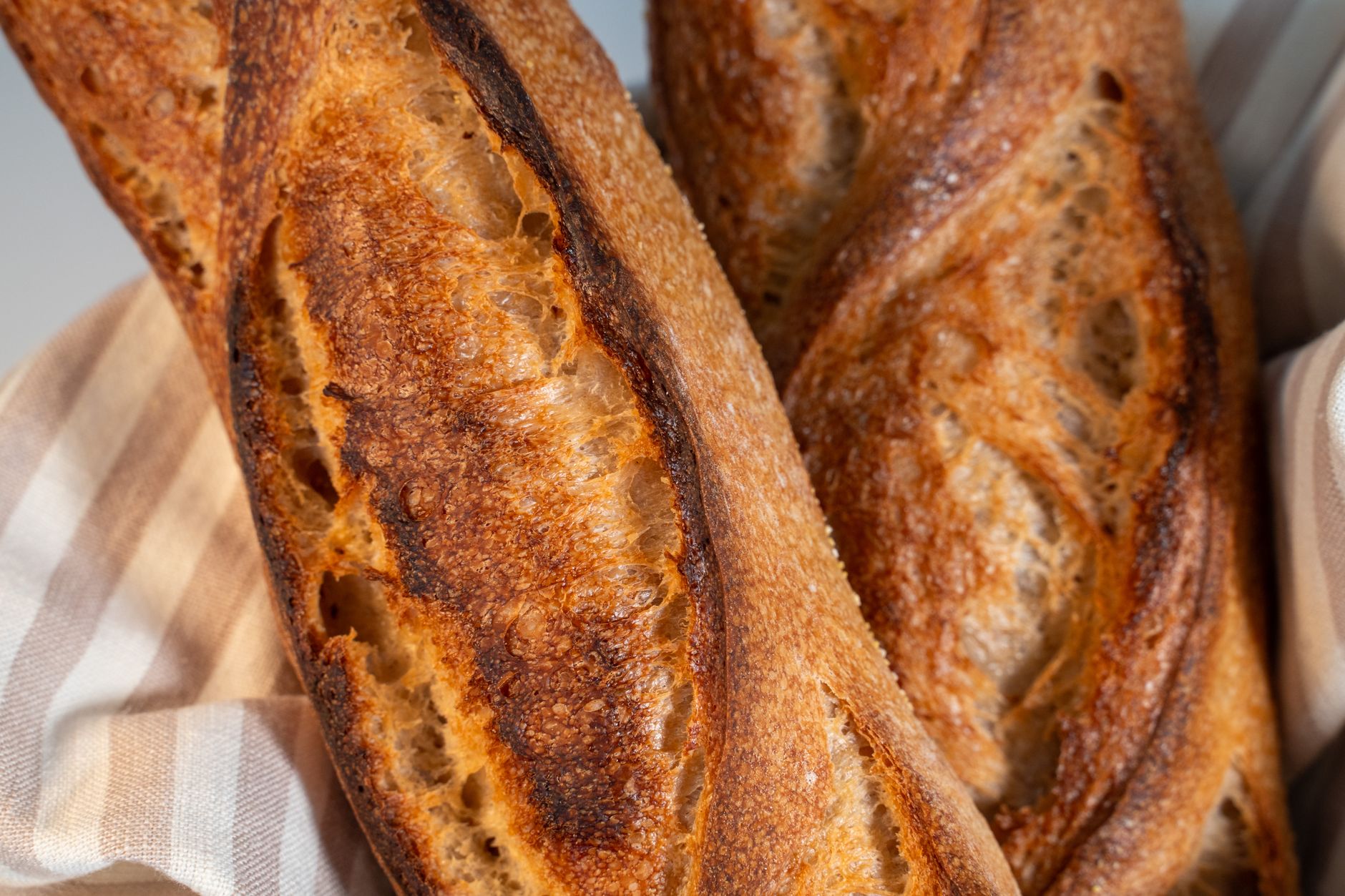
Understanding the appropriate temperature for sourdough bread is crucial for achieving the perfect loaf. Knowing when your bread is done baking can prevent undercooking, which leads to a gummy texture, or overcooking, which can result in a dry, crumbly loaf. This guide will discuss optimal sourdough bread temperatures, provide insights into the baking process, and help you master this beloved bread.
Sourdough is unique due to its fermentation process, which creates distinct flavors and textures. Measuring the internal temperature is a reliable method to ensure your sourdough is baked to perfection. Let’s explore the ideal temperatures for both the baking process and the finished product.
What Temp Should Sourdough Be When Done?
When fully baked, sourdough bread should reach an internal temperature of around 190°F to 210°F (88°C to 99°C). The exact temperature can vary based on your preference for crust and texture. A temperature closer to 190°F will yield a softer bread, while a temperature around 210°F will produce a firmer crust with a denser crumb.
Understanding Sourdough Fermentation and Baking Temperatures
To truly grasp why temperature matters, it is essential to understand both fermentation and baking temperatures. The process of creating sourdough involves using wild yeast and bacteria present in the environment, which fermentation transforms into the tangy bread we adore. Here’s a breakdown:
Fermentation Temperatures
- Initial Fermentation: Typically occurs at room temperature (70°F to 75°F or 21°C to 24°C).
- Cold Fermentation: Can happen in the fridge (around 34°F or 1°C) for flavor development.
- Proofing Temperature: Room temperature works well, but if your kitchen is a bit warmer (above 75°F or 24°C), speed up proofing times.
These temperatures help the sourdough develop its signature flavor and texture. However, the focus here is primarily on baking temperatures — what to look out for while baking.
Baking Temperatures
- Preheat your oven to a high temperature of around 450°F (232°C) to begin the baking process effectively.
- During the first 20 minutes to 30 minutes of baking, the bread should be in an environment where steam is present for optimal oven spring.
- After the initial bake, reduce the temperature to 400°F (204°C) to finish the baking without over-browning the crust.
How to Measure the Temperature of Sourdough
To check the internal temperature of your sourdough, invest in an instant-read thermometer. Follow these steps for accurate measurements:
- Remove the sourdough from the oven after the initial baking time.
- Insert the thermometer into the center of the loaf, avoiding the bottom crust, which can give a false reading.
- Wait for a few seconds to get the accurate reading.
Ensure the thermometer is calibrated correctly for precise temperature readings. For best results, check the temperature a few minutes before the estimated baking time.
The Baking Process: Timing and Temp
The baking time for sourdough can vary based on the recipe, loaf size, and your oven. Here’s a typical timeline to help you gauge how long to bake your sourdough:
General Baking Timeline
- Preheat the oven for at least 30 minutes.
- Bake the sourdough for approximately 30 to 40 minutes.
- Check the internal temperature after about 25 minutes.
Visual Cues of Doneness
While temperature is crucial, visual cues are also good indicators:
- The crust should be a deep golden brown with a crisp appearance.
- When tapped on the bottom, the loaf should sound hollow.
- Check if the interior crumb is springy and bouncy when gently pressed.
Adjusting Temps for Specific Preferences
Your personal taste can influence how you adjust your baking temperatures for sourdough. Here are a few tailored options:
For Softer Crust
If you prefer a softer crust, aim for an internal temperature of around 190°F (88°C). Reduce the baking time slightly to prevent the crust from hardening too much.
For Crispier Crust
If a crispy crust is what you desire, bake until the internal temperature reaches 210°F (99°C). This option will yield a bread that remains crunchy longer and has a robust crust.
Using a Dutch Oven
Baking the sourdough in a Dutch oven can help regulate temperature better, creating steam that allows for a higher rise. Preheat the Dutch oven along with your oven to achieve this result.
Common Mistakes When Baking Sourdough
Learning to bake sourdough can come with challenges. Here are a few common mistakes and how to avoid them:
- Not preheating the oven: Skipping this step can result in inadequate oven spring.
- Inaccurate temperature measurements: Always calibrate your thermometer beforehand.
- Underproofing or overproofing: Pay attention to your dough to ensure it has risen sufficiently before baking.
When to Use a Steam Injection Method
Creating steam during the first stages of baking can drastically improve the end product by allowing for a better oven spring. Here’s how to implement a steam injection method:
- Place a shallow pan with water at the bottom of the oven before preheating.
- Alternatively, spray water directly into the oven with a spray bottle right after placing your bread in.
- Avoid opening the oven door frequently as it releases steam.
Steam helps to keep the crust soft during the initial baking phase and allows for a better rise, resulting in a taller loaf.
Storage Tips for Sourdough
Once you have baked your sourdough bread, proper storage is key to preserving its freshness. Here are some effective ways to store your delicious loaf:
- Wrap the bread in a clean kitchen towel and store it at room temperature for around 2 to 3 days.
- For longer storage, consider freezing slices in an airtight bag; this helps maintain quality.
- Always allow the bread to cool completely before wrapping or freezing.
How to Revive Stale Sourdough
Should your sourdough become stale, here’s how to breathe new life into it:
- Preheat the oven to 350°F (175°C).
- Moisten the crust lightly with water.
- Bake for 5 to 10 minutes until warm and crusty again.
This simple technique can bring back the delight of freshly baked sourdough.
Learning Through Practice
As you bake more sourdough, you’ll become adept at discerning doneness not just through temperature but also through tactile and visual cues. Keep a log of your baking experiments, noting temperatures, times, and outcomes. This practice can be immensely rewarding and improve your baking skills over time.
Whether you’re new to baking or an experienced sourdough enthusiast, understanding the temperatures at which your sourdough should be baked can greatly enhance your results. Remember to enjoy the journey of creating this artisanal bread, as every loaf brings its uniqueness and flavors.
If you’re ready to take your sourdough baking to the next level, explore other recipes or baking techniques. Check out our King Arthur Sourdough Recipe for a classic approach or try making a Sourdough Baguette for a French twist.