
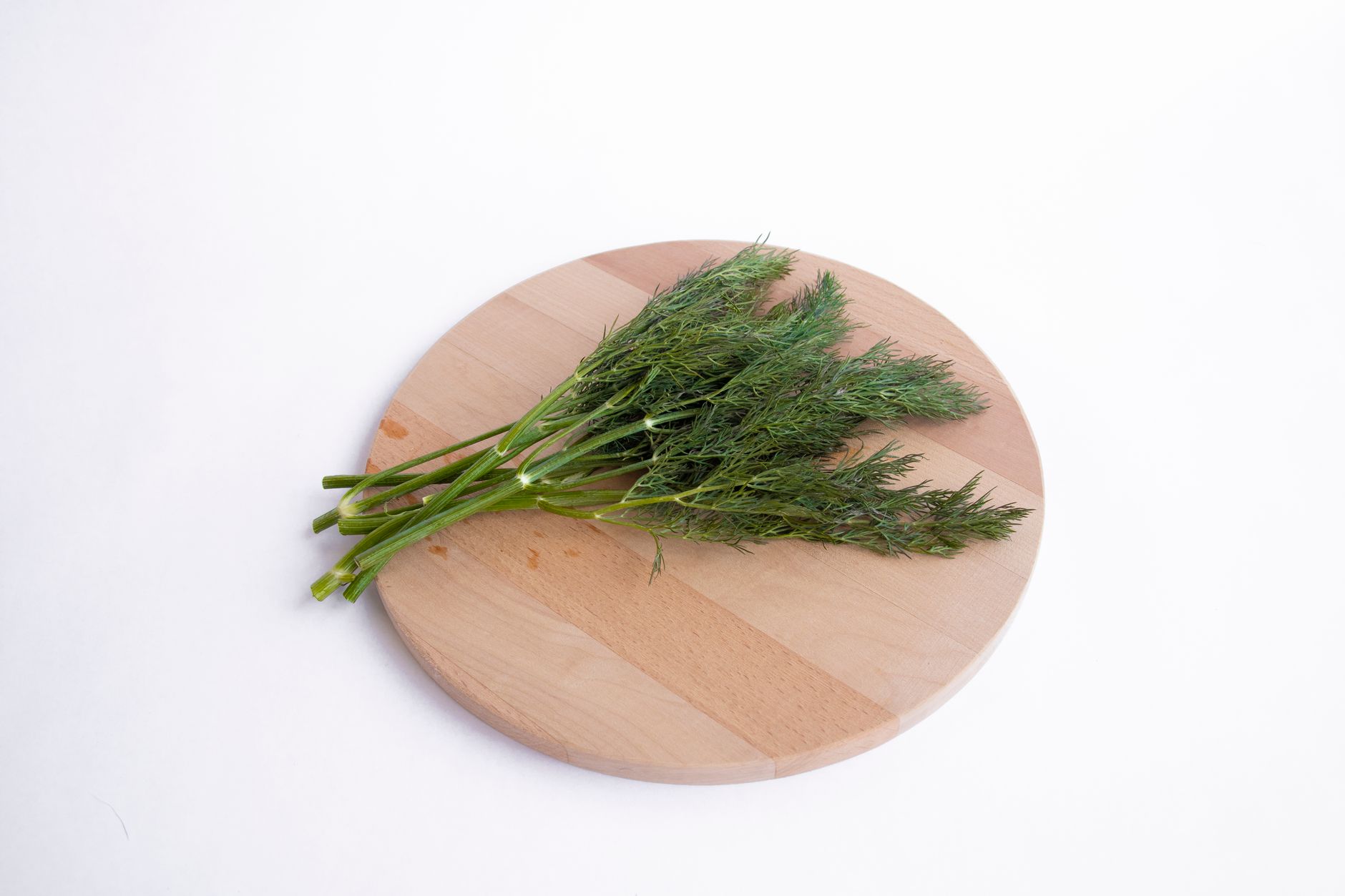
Dill is a popular herb known for its unique flavor and strong aroma, often used in various dishes from salads to seafood. But what does fresh dill look like? Understanding its characteristics can help you select the best quality, whether for use in cooking or garnish. In this guide, we’ll explore the appearance of fresh dill, its culinary uses, essential facts, and tips for storing this versatile herb.
Fresh dill (Anethum graveolens) is easily recognizable with its feathery, delicate green fronds that resemble tiny fern leaves. The plant grows to about 2 feet tall, featuring hollow stems and small yellow flowers when in bloom. This article will provide useful insights, including how to appropriately incorporate fresh dill into your meals.
What Does Fresh Dill Look Like?
Fresh dill has a vibrant green color and a soft, feathery texture. The fronds are divided into thin, needle-like leaves, which can sometimes appear wispy. When you hold a sprig of fresh dill, the leaves tend to bend softly and retain a certain amount of moisture, signifying their freshness. The stems of dill are slender, hollow, and slightly crunchy. As dill matures, it may form small clusters of tiny yellow flowers, which are also edible but generally used less frequently in cooking.
Key Characteristics of Fresh Dill
- Color: Bright, vibrant green suggesting freshness.
- Texture: Soft, delicate, and feathery, conducive to light handling.
- Shape: Needle-like fronds that taper to a point, creating a wispy appearance.
- Aroma: Strong, pungent scent that is aromatic and slightly sweet.
- Size: Grows typically between 2 to 3 feet tall with abundant fronds.
Culinary Uses of Fresh Dill
Fresh dill is a versatile herb that can enhance various dishes due to its distinct flavor profile, which is both fresh and slightly tangy. Here are some common culinary uses:
1. Flavoring for Fish and Seafood
Dill pairs exceptionally well with various types of fish, such as salmon, cod, and haddock. Its fresh flavor complements the natural taste of seafood, making it a popular choice in marinades, sauces, and seasoning blends.
2. Soups and Sauces
Dill can be added to soups and sauces, particularly creamy varieties like dill sauce for poached fish or creamy dill dressing for salads. It enriches the flavor profile and brings freshness to the dish.
3. Pickling
Fresh dill is commonly used in pickling recipes, especially for cucumbers. Its distinct flavor accentuates the brined vegetables, making dill pickles a classic favorite.
4. Salads and Dressings
Adding fresh dill to salads can enhance their freshness and taste. It works beautifully in potato salads, coleslaw, and yogurt-based dressings.
5. Potato Dishes
Dill can be incorporated into various potato recipes, from roasted potatoes to mashed potatoes. It adds a soft, herbal note that complements the richness of the potatoes.
6. Egg Dishes
Whether in scrambled eggs, frittatas, or deviled eggs, dill brings a distinctive flavor that pairs well with the richness of egg dishes.
How to Select Fresh Dill
When selecting fresh dill, certain qualities can help you choose the best option. Here’s what to look for:
- Color: Choose dill with a vibrant green hue, as yellowing indicates aging.
- Freshness: Look for fronds that are firm and not wilted or limp.
- Aroma: Sniff the dill; it should have a strong, pleasant aroma. If it smells flat or faint, it may not be fresh.
- Storage: If possible, select dill stored in the cold section of the produce area, as it indicates proper refrigeration.
Storing Fresh Dill
Proper storage ensures that fresh dill maintains its flavor and nutritional value. Here are some effective methods for storing it:
1. Refrigeration
Wrap fresh dill in a damp paper towel and place it in a perforated plastic bag. This method will maintain humidity and prolong its shelf life, lasting up to a week. Store the dill in the crisper drawer of your refrigerator.
2. Water Method
To keep dill extra fresh, place the stems in a jar or glass with a little water, like holding a bouquet of flowers. Cover the tops with a plastic bag and store it in the fridge. This method can extend the life of your dill for up to two weeks.
3. Freezing Fresh Dill
If you have surplus dill, freezing it is an excellent option. Rinse and dry the fronds, then chop them and place them into ice cube trays with some water or olive oil. Once frozen, transfer the cubes to airtight bags. This method allows easy use in cooked dishes later on.
Dried Dill vs. Fresh Dill
While fresh dill is often favored for its flavor and aroma, dried dill can also be used. Yet, there are key distinctions between the two:
- Flavor: Fresh dill is more vibrantly flavored than dried; it retains its distinct aromatic profile.
- Aroma: The aroma of fresh dill is significantly more potent than the dried equivalent.
- Uses: Fresh dill works best for garnish and dressings, while dried dill is suitable for slow-cooking applications.
Substitutions
If you cannot find fresh dill, consider these alternatives:
- Dried Dill: Use one-third of the amount of dried dill in place of fresh. For example, if a recipe calls for 3 tablespoons of fresh dill, use 1 tablespoon of dried dill.
- Tarragon: For a similar anise flavor, tarragon can serve as a substitute, offering a slightly different taste.
- Fennel Fronds: The fronds of fennel provide a similar appearance and a mild flavor that can substitute for dill in several recipes.
Cooking Tips When Using Fresh Dill
To maximize the benefits of fresh dill in your cooking, keep the following tips in mind:
1. Add at the Right Time
Fresh dill should be added at the end of the cooking process or right before serving to preserve its flavor. Cooking it for too long can diminish its taste and aroma.
2. Use as a Garnish
Fresh dill can add a pop of color and flavor when used as a garnish on salads, soups, and main dishes. Its bright fronds elevate presentation as well.
3. Pair with Complementary Flavors
Dill pairs well with lemon, yogurt, mustard, garlic, and other herbs like parsley and chives. Consider combining fresh dill with these to enhance your recipes.
4. Avoid Overuse
Although dill is a potent herb, using too much can overpower a dish. Usually, a few tablespoons of finely chopped fresh dill are sufficient for flavor enhancement.
Common Mistakes When Using Fresh Dill
- Adding Too Early: Incorporating dill during prolonged cooking can lead to a loss of flavor. Add it right before finishing dishes.
- Overshadowing Other Ingredients: Dill has a strong flavor. Use it judiciously to avoid overwhelming milder flavors in your dish.
- Choosing Wilted Dill: Always select the freshest sprigs for maximum flavor and aroma. Wilted or yellowed dill may indicate decreased quality.
Common Recipes Featuring Fresh Dill
Incorporating fresh dill into your meals can elevate flavors and add a touch of freshness. Here are a few simple recipes to inspire you:
1. Dill Potato Salad
A classic potato salad with tangy dressing and fresh dill. Boil cubed potatoes, mix with yogurt or mayonnaise, and fold in chopped fresh dill, mustard, and diced pickles for a refreshing side dish.
2. Dill Salmon
For a quick dinner option, season salmon fillets with lemon juice, salt, and fresh dill, then grill or bake. The dill complements the salmon beautifully.
3. Creamy Dill Sauce
Prepare a simple creamy dill sauce using yogurt or sour cream, chopped dill, lemon juice, garlic, and salt. It makes an ideal dressing for fish or as a dip for vegetables.
4. Dill Yogurt Dip
Mix plain yogurt with fresh dill, minced garlic, lemon zest, and salt for a tangy dip that pairs well with pita chips or fresh veg.
Conclusion
Fresh dill is not just appealing in looks; it’s also a versatile herb that adds brightness to many dishes. Familiarizing yourself with its characteristics and culinary uses will enable you to utilize it effectively in your cooking. Always choose fresh dill for the best flavor and remember to store it properly to retain its vibrant quality. Experiment with dill in your recipes to see how it can elevate your meals.
For more culinary inspiration, consider checking out our guides on enhancing flavors with herbs, or explore different delicious salad options! Explore more tips and tricks to make the most out of your cooking ventures.