
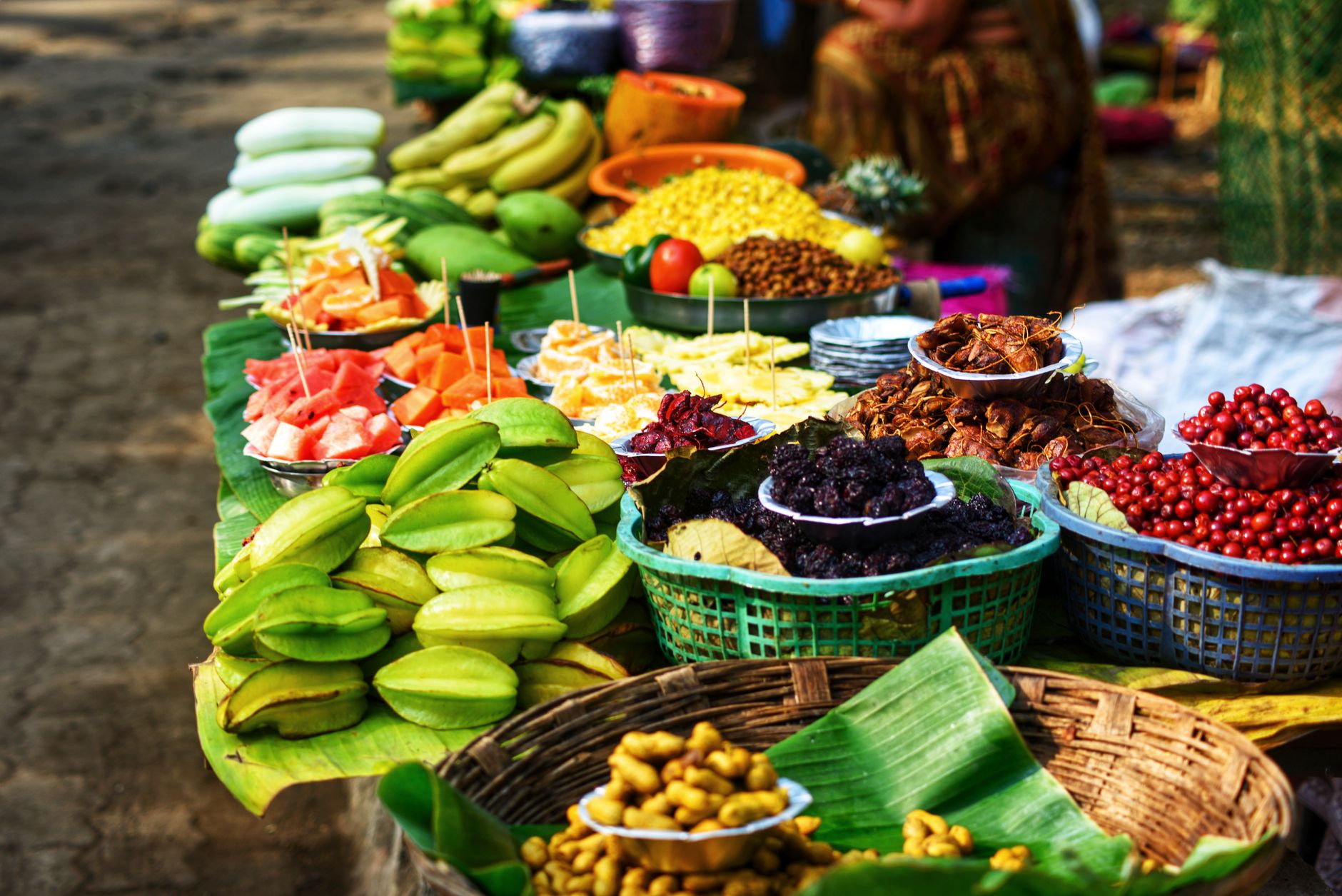
Nutrient density is a term that’s gaining traction in the realm of healthy eating. It refers to the amount of essential nutrients—like vitamins, minerals, and protein—contained in a given quantity of food, in relation to its caloric content. Understanding nutrient density helps individuals make informed choices about what to include in their diets.
The concept encourages people to opt for foods that provide more nutrients per calorie. In essence, this means choosing whole, nutrient-rich foods over processed options that may be high in calories but low in nutritional value. This article explores nutrient density in depth, delving into its importance, how to recognize nutrient-dense foods, and practical tips for incorporating them into your everyday meals.
What Is Nutrient Density?
Nutrient density refers to the ratio of essential nutrients relative to the caloric content of a food item. Foods that are considered nutrient-dense offer a high amount of vitamins, minerals, fiber, and other beneficial compounds for relatively few calories. For example, a serving of broccoli is far more nutrient-dense than a sugary snack, because it provides an abundance of nutrients without a hefty calorie cost.
Why Nutrient Density Matters
Choosing nutrient-dense foods can significantly impact health. Here are some reasons why it matters:
- Weight Management: Foods high in nutrient density can help manage weight as they satisfy hunger with fewer calories.
- Healthy Aging: Consuming a varied, nutrient-dense diet can contribute to overall health and longevity.
- Reduced Risk of Disease: Foods rich in antioxidants and vitamins may help lower the risk of chronic diseases.
- Enhanced Energy Levels: A diet rich in nutrients helps sustain energy levels and improves mental clarity.
Identifying Nutrient-Dense Foods
Several categories of food are typically considered nutrient-dense. Here’s what to look for when evaluating options:
Fruits and Vegetables
Fresh, frozen, or canned without added sugars or sodium, fruits and vegetables are among the most nutrient-dense foods available. They are often rich in vitamins A and C, potassium, fiber, and antioxidants. Dark leafy greens like kale and spinach, brightly colored vegetables, and fruits like berries and oranges stand out.
Whole Grains
Whole grains contain the entire grain kernel, including the bran, germ, and endosperm, making them rich in fiber, B vitamins, and important minerals. Options such as quinoa, brown rice, and whole wheat products offer better nutrient density compared to their refined counterparts.
Legumes and Pulses
Beans, lentils, and peas are excellent sources of protein, fiber, and a variety of vitamins and minerals. They are low in fat and high in nutrients, making them great substitutes for meat in various recipes.
Nuts and Seeds
Nuts and seeds provide heart-healthy fats, protein, fiber, and essential vitamins and minerals. Almonds, walnuts, chia seeds, and flaxseeds can enhance the nutrient density of meals.
Animal Proteins
Lean meats, fish, eggs, and dairy products are also nutrient-dense. Fish, particularly fatty varieties like salmon and sardines, supply omega-3 fatty acids, while eggs are a complete protein source that is rich in various vitamins.
Practical Tips for Incorporating Nutrient-Dense Foods
You may be wondering how to practically choose and prepare nutrient-dense foods. Here are some actionable strategies:
Meal Planning
Planning your meals allows for intentional choices. Aim to fill your grocery list with nutrient-dense items from various categories. Consider a balanced plate that includes a source of protein, whole grains, and plenty of vegetables.
Batch Cooking
Cooking in batches can save time and ensure you always have nutrient-dense options available. Prepare multiple servings of soups, stews, or grain-based salads that can be stored and enjoyed throughout the week.
Healthy Snacking
Replace traditional snacks with nutrient-dense options like fresh fruit, nuts, or yogurt. Preparing snack-sized portions ahead of time can simplify healthy eating on the go.
Permanently Stock Your Kitchen
Keep your pantry stocked with nutrient-dense staples like whole grains, legumes, nuts, and seeds. This makes it easier to create balanced meals from what you have on hand.
Flavor and Texture in Nutrient-Dense Foods
When exploring nutrient-dense ingredients, understanding their flavors and textures can enhance your cooking experience:
Fruits and Vegetables
Fruits often range from sweet to tart, while vegetables can be earthy, bitter, or slightly sweet. Combining different textures and tastes can enhance meal appeal. For instance, mixing crispy raw vegetables with roasted, caramelized roots can create a delightful contrast.
Whole Grains
Whole grains have various textures from chewy (like farro) to soft (like cooked quinoa). Some, like brown rice, offer a nuttier flavor than white rice. Experimenting with different grains and cooking methods can keep meals interesting.
Legumes and Pulses
Beans can be creamy when cooked properly, while lentils have a tender bite. Utilizing herbs and spices can lift their flavor profile. For example, a simple garlic and rosemary addition can transform a lentil dish.
Nuts and Seeds
Nuts offer a satisfying crunch and rich taste, while seeds can add a nice crunch or creaminess when used in dressings. Toasting nuts enhances their flavor significantly.
Common Mistakes to Avoid
As you aim to incorporate more nutrient-dense foods into your diet, it’s essential to avoid common pitfalls:
- Focusing Solely on Low Calories: Not all low-calorie foods are nutrient-dense. Prioritize the nutrient content.
- Neglecting Variety: Eating a wide variety of foods ensures you get a comprehensive range of nutrients.
- Overlooking Preparation Methods: Cooking methods can influence nutrient retention. Steaming or roasting may preserve nutrients better than boiling.
- Ignoring Labels: Read food labels carefully to identify added sugars and unhealthy fats, even in seemingly healthy products.
Meal Ideas Using Nutrient-Dense Ingredients
To help you get started on incorporating nutrient-dense foods into your meals, consider the following ideas:
Breakfast
- Overnight Oats: Combine rolled oats, chia seeds, Greek yogurt, and your choice of fruits for a nutrient-packed breakfast.
- Smoothie Bowl: Blend leafy greens with bananas and a scoop of protein powder, topping it with nut butter, nuts, and seeds for a textured crunch.
Lunch
- Quinoa Salad: Mix cooked quinoa with black beans, diced bell peppers, corn, and a lime vinaigrette. Top with avocado for added nutrients.
- Lentil Soup: Make a hearty soup using lentils, tomatoes, carrots, celery, and spices for a comforting, nutrient-dense meal.
Dinner
- Grilled Salmon with Veggies: Serve grilled salmon alongside steamed broccoli and brown rice for a balanced, flavorful dinner.
- Stir-Fried Tofu and Vegetables: Use a variety of colorful veggies with tofu, flavored with soy sauce and garlic.
Snacks
- Nuts & Dried Fruits: Create your own trail mix by mixing nuts with dried fruits for a balanced snack.
- Veggie Sticks with Hummus: Carrot and celery sticks paired with a nutrient-rich hummus make for a satisfying snack.
Storing Nutrient-Dense Foods
Proper storage of nutrient-dense foods maintains their quality and nutritional value:
- Fruits and Vegetables: Store fresh produce in the fridge to prolong freshness. Use airtight containers or bags to avoid spoilage.
- Whole Grains: Keep whole grains in a cool, dry place, preferably in airtight containers to protect from pests.
- Nuts and Seeds: Store in the refrigerator to preserve their healthy fats and prevent rancidity, especially if you’re buying larger quantities.
Conclusion
Understanding nutrient density empowers you to make informed dietary choices that lead to better health. By prioritizing nutrient-rich foods, you not only enhance your meals but also support your overall wellness. Take time to explore different nutrient-dense ingredients, and experiment with new recipes.
For a deeper dive into specific nutritious ingredients, consider exploring the benefits of chia seeds or try out a delightful chia pudding recipe with coconut milk to incorporate more nutrient density into your diet.