
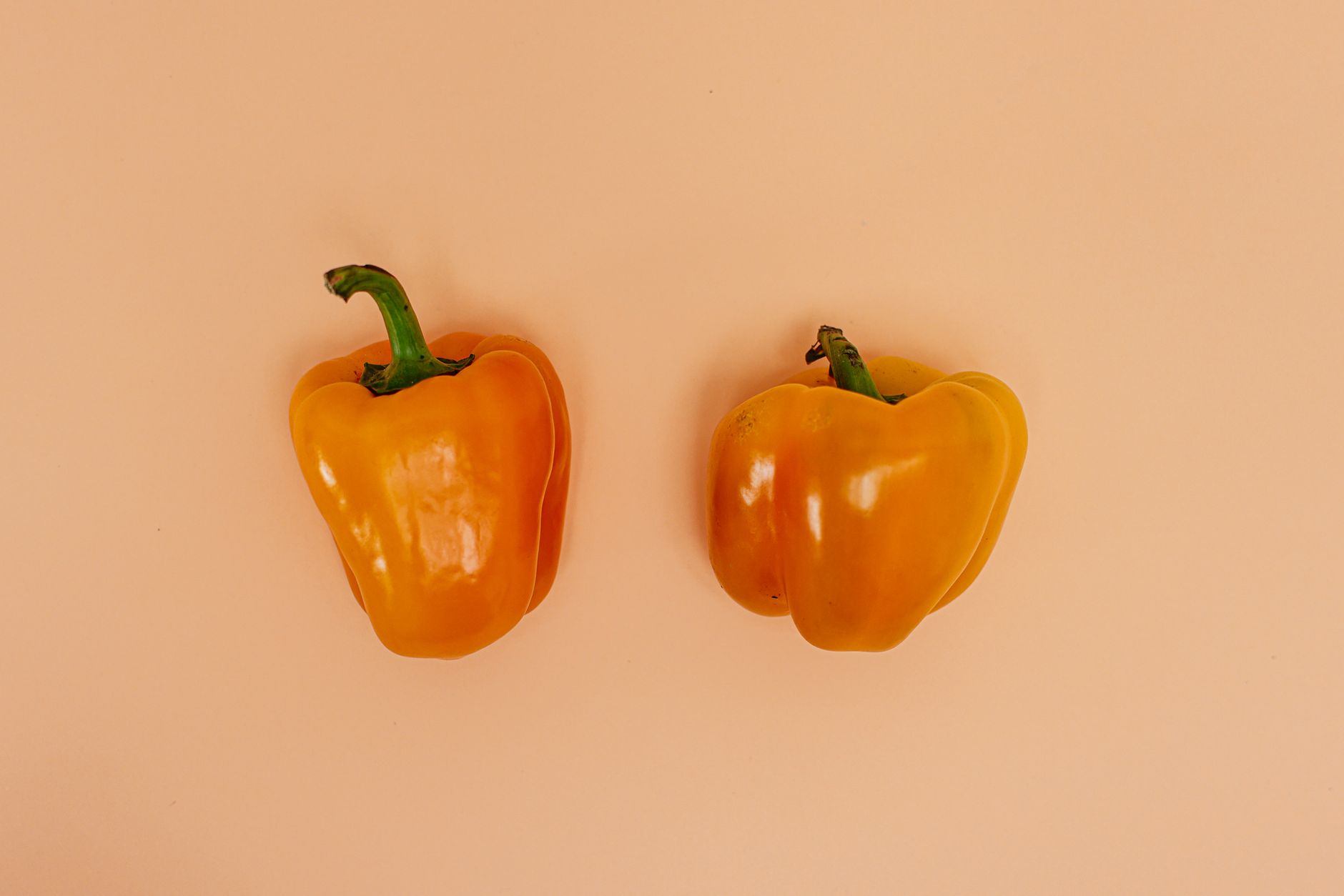
Yellow peppers are a popular ingredient known for their vibrant color, sweet flavor, and crunchy texture. When it comes to dietary considerations, many people often wonder if yellow peppers are gluten-free. Understanding what gluten is and examining the nature of yellow peppers will help clarify any concerns.
In this article, we will explore the gluten content in yellow peppers, their culinary uses, preparation methods, and any potential allergy notes related to peppers. This comprehensive guide aims to inform those following a gluten-free diet about the suitability of yellow peppers in their meals.
Is Yellow Peppers Gluten-Free?
Yes, yellow peppers are gluten-free. They are a naturally occurring fruit and are not processed like many other foods that may contain gluten, such as bread or pasta. Gluten is a protein found in wheat, barley, and rye, and yellow peppers do not belong to any of these categories.
Understanding Gluten and Its Sources
Gluten is a protein that helps foods maintain their shape, acting as a glue that holds food together. For individuals with celiac disease or gluten sensitivity, consuming gluten can lead to severe health complications. Common sources of gluten include:
- Wheat and its derivatives
- Barley
- Rye
- Processed foods containing gluten additives
Since yellow peppers are vegetables and not grains, they do not contain gluten. Hence, incorporating them into meals can provide flavor and nutrition without any gluten-related issues.
Nutrition Profile of Yellow Peppers
Yellow peppers are not only gluten-free but also rich in vitamins and minerals. They provide a variety of health benefits, including:
- High in Vitamin C: Yellow peppers are an excellent source of Vitamin C, which is essential for immune function and skin health.
- Rich in Antioxidants: They contain antioxidants such as carotenoids, which can help protect cells from damage.
- Fiber: Yellow peppers contribute fiber to the diet, promoting digestive health.
In addition, they are low in calories, making them an excellent addition to weight management plans and overall healthy eating.
Culinary Uses for Yellow Peppers
Yellow peppers are versatile and can be used in a variety of dishes. Here are some popular culinary applications:
Raw Applications
Yellow peppers can be enjoyed raw in various ways:
- As a crunchy snack with hummus or guacamole.
- In salads, providing a pop of color and sweetness.
- As part of veggie platters for entertaining.
Cooked Applications
When cooked, yellow peppers develop a softer texture and slightly sweeter flavor. Here’s how they can be used:
- Stir-fries: Add them to your stir-fry dishes for added color and sweetness.
- Fajitas: Sauté them with onions and serve in tortillas.
- Soups and Stews: Dice and incorporate them into hearty soups or stews.
Stuffed Peppers
Yellow peppers are also excellent for stuffing. Hollow out the peppers and fill them with various mixtures, such as:
- Quinoa and black beans for a vegetarian option.
- Ground turkey or beef with rice and spices.
- Rice, cheese, and vegetables for a comfort food classic.
How to Choose and Store Yellow Peppers
Selecting fresh yellow peppers is essential for the best flavor and texture in your dishes. Here are a few tips:
Choosing Yellow Peppers
- Look for firm peppers with a vibrant yellow color.
- Check for any soft spots or blemishes, as these can indicate spoilage.
- Choose peppers with a shinier skin, indicating freshness and ripeness.
Storing Yellow Peppers
To keep yellow peppers fresh, consider the following storage tips:
- Store unwashed yellow peppers in the vegetable crisper drawer of the refrigerator.
- Use them within a week for the best flavor and texture.
- If cut, wrap the remaining pieces tightly in plastic wrap or place them in an airtight container to maintain freshness.
Preparation Techniques for Yellow Peppers
Preparing yellow peppers is simple and requires just a few steps. Here’s how to do it:
- Rinse the yellow pepper under cool running water.
- Remove the stem by gently twisting it off or cutting it with a knife.
- Slice the pepper in half lengthwise and remove the seeds and white membranes.
- Cut into desired shapes—slices, dices, or chunks—depending on your recipe.
Potential Allergy Notes and Other Considerations
While yellow peppers are gluten-free, it’s important to be aware of other potential allergic reactions:
- Some individuals may have allergies to nightshade vegetables, which include peppers, tomatoes, and eggplant. If you have a known allergy to these vegetables, consult with a healthcare professional before consuming yellow peppers.
- If purchasing pre-packaged or processed yellow pepper products, check for cross-contamination with gluten-containing ingredients.
Common Questions About Yellow Peppers
Can you eat yellow peppers raw?
Yes, yellow peppers are delicious raw and can be enjoyed in salads or as a snack.
What is the difference between yellow and green peppers?
Yellow peppers are ripened green peppers. They tend to be sweeter and milder in flavor than their green counterparts, making them a great option for various dishes.
Are yellow peppers healthier than other colors?
All peppers, regardless of color, offer unique health benefits, but the difference lies in their vitamin content. Yellow peppers are particularly rich in Vitamin C, while red peppers have higher beta-carotene levels. Choosing a variety of colors can maximize nutrient intake.
Recipes Featuring Yellow Peppers
Incorporating yellow peppers into your meals can be easy and delicious. Here are a few recipe ideas to try:
1. Stuffed Yellow Peppers
A wholesome dish packed with nutrients, stuffed yellow peppers can serve as a main course or side.
- Ingredients: 4 yellow peppers, 1 cup cooked quinoa, 1 can black beans (drained), 1 cup corn, spices to taste, cheese for topping (optional).
- Instructions: Preheat the oven to 375°F (190°C). Cut the tops off the yellow peppers and remove seeds. In a bowl, mix quinoa, black beans, corn, and spices. Stuff the mixture into each pepper, top with cheese if desired. Bake for 30-35 minutes until the peppers are tender.
2. Yellow Pepper Stir-Fry
A quick and easy dish that combines flavor with nutrition.
- Ingredients: 2 yellow peppers (sliced), 1 onion (sliced), 2 cups broccoli florets, 2 tablespoons soy sauce (or tamari for gluten-free), sesame oil.
- Instructions: Heat sesame oil in a skillet over medium heat. Add onion and stir until translucent. Add yellow peppers and broccoli, stir-fry for 5-7 minutes. Drizzle soy sauce and cook for another 2 minutes. Serve warm.
3. Roasted Yellow Pepper Soup
A comforting soup perfect for any season, offering a rich flavor from roasted peppers.
- Ingredients: 4 yellow peppers, 1 onion, 3 cups vegetable broth, garlic, salt, and pepper to taste.
- Instructions: Preheat the oven to 425°F (220°C). Halve the yellow peppers and remove seeds. Place on a baking sheet with chopped onions and whole garlic cloves. Roast for 25-30 minutes. Transfer to a pot, add broth, blend until smooth. Season with salt and pepper as desired.
Conclusion
Yellow peppers are a gluten-free ingredient that adds nutrition, flavor, and color to various dishes. Whether you’re enjoying them raw, cooked, or stuffed, they provide a delightful taste experience without the worry of gluten content. As you continue to explore recipes and cooking techniques, consider incorporating yellow peppers into your meals for their numerous health benefits and versatility.
For more delicious recipe ideas and cooking tips, explore our collection of practical food guides and culinary resources!