
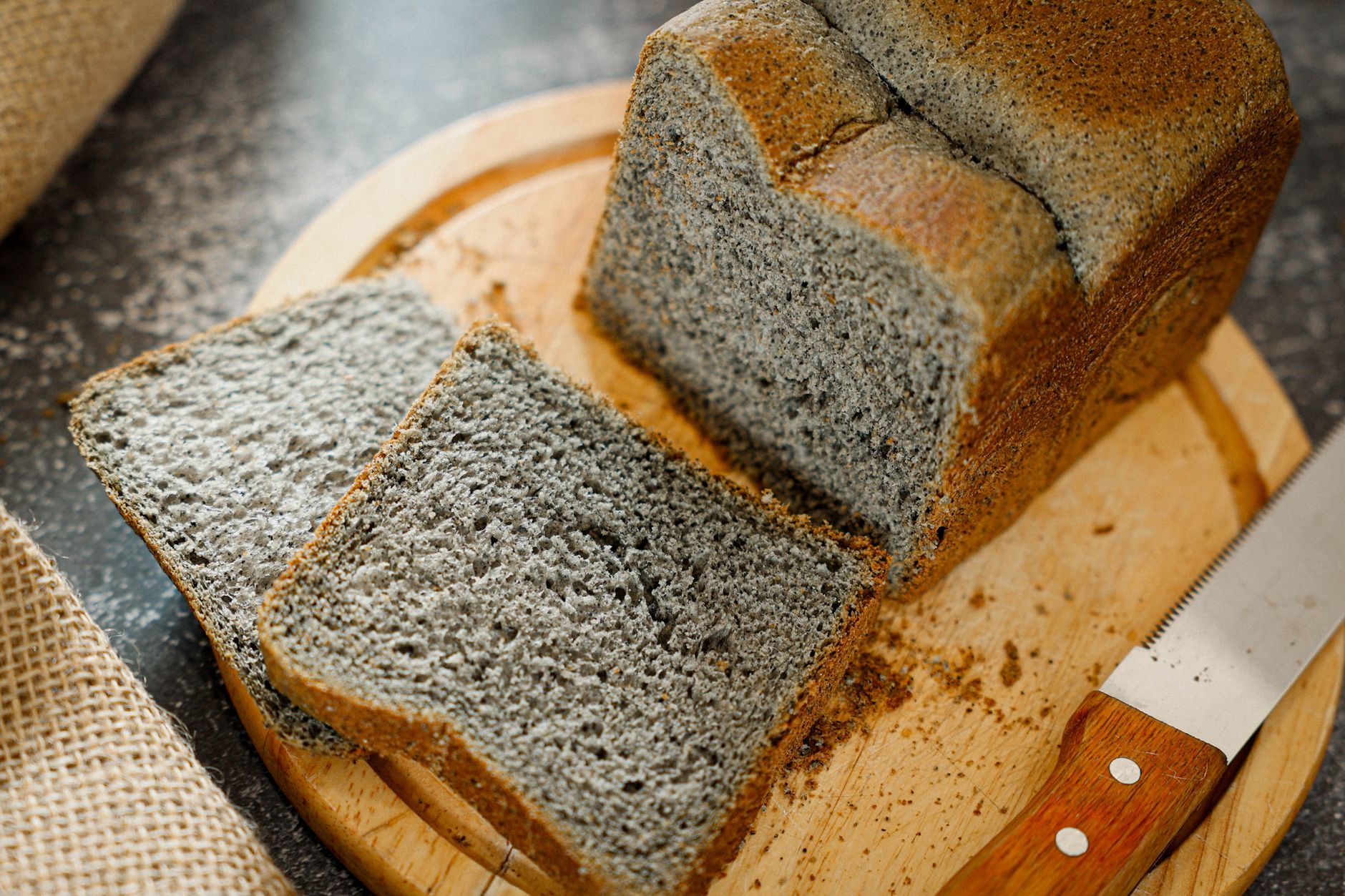
Gluten is a protein found in wheat and related grains such as barley and rye. It plays a crucial role in food products by providing elasticity and structure, making dough rise and hold its shape. However, for some individuals, gluten can lead to health issues, prompting the need to understand its effects and consider gluten-free options.
This article explores the nature of gluten, its potential harmful effects, and practical tips on managing a gluten-free lifestyle, including ingredient substitutions, label reading tips, and dietary considerations.
What Is Gluten and Why Is It Harmful?
Gluten is a group of proteins primarily found in wheat, barley, and rye. It consists mainly of glutenin and gliadin, contributing to the chewy texture of baked goods. While many people consume gluten without issues, it can be harmful to those with certain conditions. The main health concerns related to gluten intake are celiac disease, gluten sensitivity, and wheat allergy.
Celiac Disease
Celiac disease is an autoimmune disorder where ingestion of gluten leads to damage in the small intestine. This condition affects about 1% of the population and can cause a range of symptoms, including abdominal pain, bloating, fatigue, and malabsorption of nutrients. Long-term exposure to gluten for someone with celiac disease can lead to serious health complications, such as osteoporosis, infertility, and increased risk of other autoimmune diseases.
Non-Celiac Gluten Sensitivity
Non-celiac gluten sensitivity (NCGS) refers to a condition where individuals experience gastrointestinal and extra-intestinal symptoms after consuming gluten but do not test positive for celiac disease or a wheat allergy. Symptoms may include headaches, fatigue, joint pain, and digestive issues. Research on NCGS is ongoing, and while it’s not fully understood, avoiding gluten seems to improve symptoms for many.
Wheat Allergy
A wheat allergy is a distinct condition from both celiac disease and gluten sensitivity. It is an allergic reaction to proteins found in wheat, which may include gluten. Symptoms of a wheat allergy can range from hives and swelling to more severe reactions such as anaphylaxis. People with a wheat allergy must avoid all sources of wheat, not just gluten.
How to Identify Gluten in Food
Understanding how to identify gluten-containing foods is crucial for anyone avoiding gluten for health reasons. In most packaged foods, gluten will be listed on the ingredient label, but it’s also important to recognize the various forms gluten may take.
Ingredient Labels
When checking food labels, here are some key terms and ingredients to look out for:
- Wheat (varieties such as spelt, durum, and farro)
- Barley
- Rye
- Breading or breaded items
- Pastas, cereals, and baked goods made from wheat flour
- Modified food starch and malt (often derived from barley)
Hidden Sources of Gluten
Gluten can be found in unexpected places, such as sauces, gravies, and certain processed foods. Always check labels on items like:
- Soy sauce
- Dressings
- Processed meats (like sausages and deli meats)
- Snack foods and bars
- Ice cream and malted beverages
Key Considerations when Going Gluten-Free
Adopting a gluten-free diet can be challenging. It’s essential to not only eliminate gluten but also to ensure that your meals remain balanced and nutritious.
Finding Gluten-Free Alternatives
Fortunately, many gluten-free alternatives are available. Here’s a list of gluten-free grains and starches to consider:
- Rice
- Quinoa
- Millet
- Amaranth
- Potato starch
- Corn and corn flour
- Tapioca starch
- Legume flours (such as chickpea and lentil flour)
Gluten-Free Cooking Tips
Cooking gluten-free may require some adjustments to traditional recipes. Here are some helpful tips:
- Use a blend of gluten-free flours for better texture in baking. Common combinations include brown rice flour, almond flour, and tapioca flour.
- Add binders such as xanthan gum or psyllium husk to mimic the elasticity gluten provides in breads.
- Experiment with gluten-free pasta which may require different cooking times and methods.
- Be mindful of cross-contamination with gluten-containing foods, especially if sharing kitchen space.
Labeling and Certification
When shopping for gluten-free products, understanding labeling can help you make better choices. Here are some terms to look for:
Certified Gluten-Free
Products labeled “certified gluten-free” have undergone rigorous testing to ensure they contain less than 20 parts per million (ppm) of gluten, the FDA standard for gluten-free foods. This certification offers greater assurance to those with celiac disease.
Gluten-Free Claims
Beware of labels that claim gluten-free without certification. These products may still contain trace amounts of gluten, which can be problematic for sensitive individuals. Always check for specific gluten-free seals from recognized organizations.
Practical Gluten-Free Recipes
Incorporating gluten-free recipes into your meal planning can make transitioning easier. Here are some delicious options to try:
Gluten-Free Gnocchi
This soft and chewy pasta alternative can be made using gluten-free ingredients. It can complement various sauces or be served as a side dish.
- 2 cups gluten-free flour (such as brown rice flour)
- 1 cup mashed potatoes (cooled)
- 1 egg (beaten)
- Salt to taste
Gluten-Free Waffles
Waffles don’t have to be off the table. These fluffy, crispy delights are easy to create without gluten.
- 1 ½ cups gluten-free all-purpose flour
- 2 tsp baking powder
- 1 tsp salt
- 1 cup milk (or non-dairy alternative)
- 2 eggs
- 2 tbsp melted butter
Common Mistakes When Going Gluten-Free
Transitioning to a gluten-free diet can lead to some common pitfalls. Here are some mistakes to avoid:
- Assuming all processed foods labeled gluten-free are healthy. Many gluten-free products are high in sugar and fat.
- Not seeking professional dietary advice. Consulting a registered dietitian can help ensure nutritional needs are met.
- Neglecting to read labels on naturally gluten-free foods. Cross-contamination can occur in production processes.
Helpful Resources
Here are some additional resources that can help in your gluten-free journey:
- Gluten Intolerance Group
- Celiac Disease Foundation
- Books on gluten-free cooking
- Online gluten-free communities or forums for support
Conclusion
Understanding gluten, its potential harms, and learning to navigate a gluten-free lifestyle can dramatically improve health and well-being for those affected by gluten-related disorders. By being informed and preparing meals with care, this dietary change can be both manageable and enjoyable.
For more gluten-free recipes and tips, explore gluten-free gnocchi and gluten-free waffles that fit seamlessly into your meal plan.