
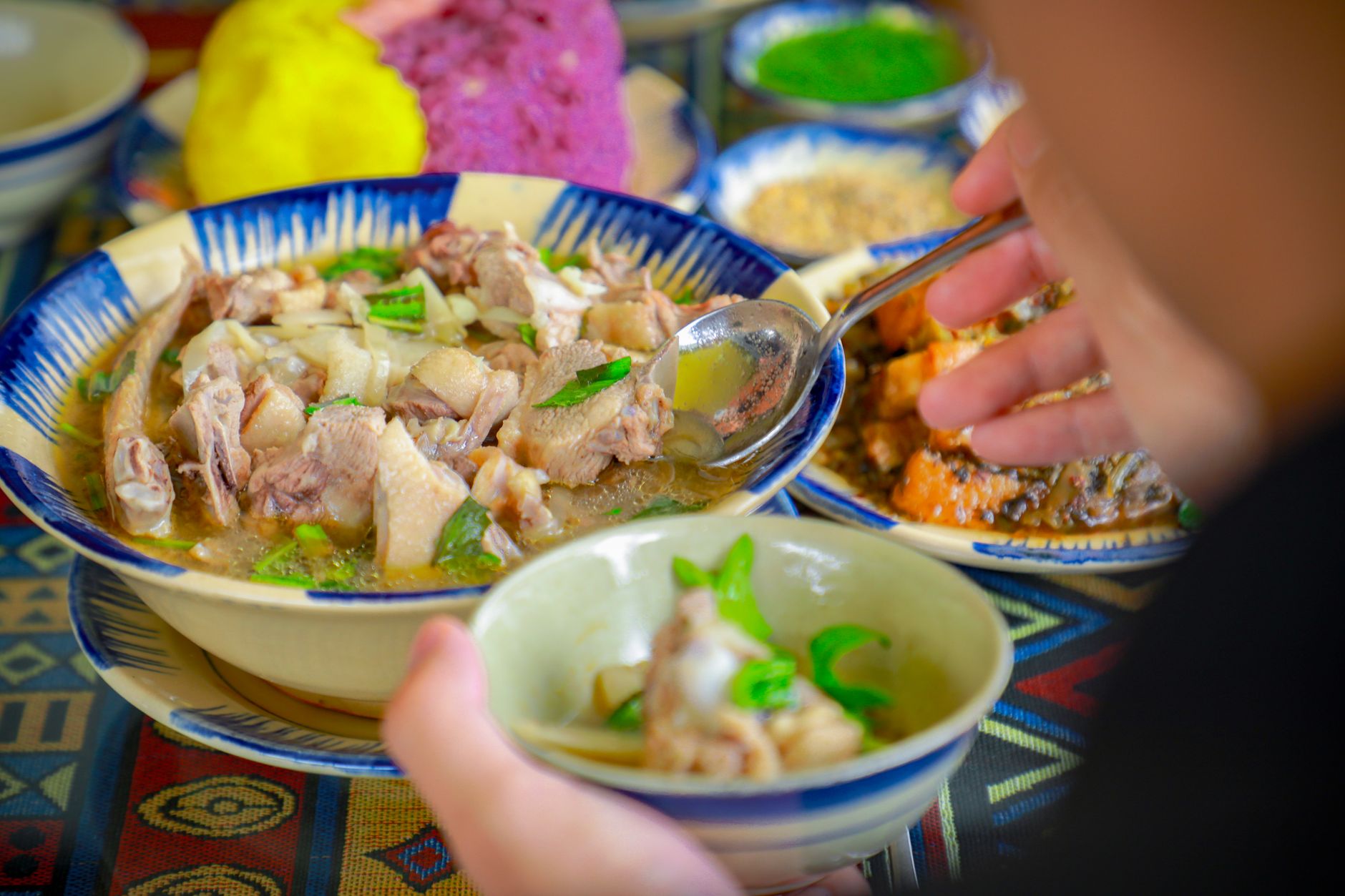
Bone broth and chicken broth are two staples in many kitchens, offering unique flavors and nutritional benefits. They are often confused due to their similar appearances, but they serve different purposes in cooking. Understanding the differences between them can elevate your culinary creations and help in meal planning.
This article will delve into the key differences, including taste, texture, nutritional content, and ideal culinary uses for both bone broth and chicken broth. Armed with this knowledge, you can choose the best option for your specific cooking needs.
What Is The Difference Between Bone Broth And Chicken Broth?
Bone broth is a flavorful liquid made from simmering animal bones and connective tissues, often for an extended period. In contrast, chicken broth is typically made by simmering chicken meat, bones, and various vegetables for a shorter time. These differences lead to distinct flavors, textures, and nutritional profiles.
Understanding Bone Broth
Bone broth has gained significant popularity in recent years, particularly in health circles. Traditional preparation involves simmering bones—often beef, chicken, or fish—along with their connective tissues and cartilage. The long cooking time, often 12 to 48 hours, allows for the extraction of nutrients and flavors.
Flavor and Texture
Bone broth tends to have a deeper, richer flavor than chicken broth. The long cooking process breaks down collagen, resulting in a velvety, slightly gelatinous texture when cooled. This richness makes it an excellent base for soups, sauces, and gravies.
Nutritional Benefits
Bone broth is packed with nutrients that are crucial for health. It is rich in collagen, amino acids, and minerals like calcium, magnesium, and phosphorus. These nutrients are believed to support joint health, skin elasticity, and gut health, although scientific studies on their benefits are ongoing.
Culinary Uses
Given its robust flavor and texture, bone broth can be used in various recipes:
- As a soup base: Use it in recipes that call for a rich broth.
- In sauces and reductions: The gelatin can help thicken and add depth.
- In risottos or grains: Cooking rice or grains in bone broth enhances flavor and nutritional value.
- As a sipping broth: Warm it up and enjoy it alone or with seasonings.
Understanding Chicken Broth
Chicken broth, often a staple in many kitchens, is made primarily from chicken meat, bones, and vegetables. The preparation time is significantly shorter, usually around 1 to 2 hours. This results in a lighter, clearer liquid compared to bone broth.
Flavor and Texture
Chicken broth has a more delicate flavor profile, which is often seasoned with herbs and vegetables like carrots, onions, and celery. The texture is typically thinner and less gelatinous than bone broth, providing a lighter base for dishes.
Nutritional Benefits
While chicken broth is also nutritious, it does not have the same concentration of collagen and minerals as bone broth. However, it is still a good source of protein and can provide hydration, especially when consumed as a hot liquid. Chicken broth is often used for its soothing properties during illness.
Culinary Uses
Chicken broth is incredibly versatile and can be used in various dishes:
- Soups: It’s a classic base for various soups like chicken noodle or vegetable.
- Rice and grain cooking: Use it as a cooking liquid for flavor-infused grains.
- Stews and casseroles: Add it to stews to keep the mixture moist.
- Sauces: It can enhance sauces with a light chicken flavor.
Side-by-Side Comparison
| Attribute | Bone Broth | Chicken Broth |
|---|---|---|
| Cooking Time | 12 to 48 hours | 1 to 2 hours |
| Ingredients | Bones, connective tissue, cartilage | Chicken meat, bones, vegetables |
| Flavor | Rich, deep | Delicate, light |
| Texture | Thick, gelatinous when cooled | Thin, clear |
| Nutritional Content | High in collagen and minerals | Good source of protein |
| Common Uses | Soups, sauces, gravies, sipping | Soups, grains, stews, sauces |
How to Make Bone Broth
Making bone broth at home is simple yet time-consuming. Here’s a basic recipe:
Ingredients
- 2-3 pounds of bones (beef, chicken, or pork)
- 1 tablespoon apple cider vinegar (helps extract nutrients)
- Vegetables (2 onions, 2 carrots, 2 celery stalks, optional)
- Herbs (1-2 bay leaves, thyme, parsley, optional)
- Water (enough to cover bones)
Equipment Needed
- Large stockpot or slow cooker
- Strainer
- Glass containers for storage
Steps
- Preheat your oven to 400°F (200°C).
- If using raw bones, roast them on a baking sheet for about 30 minutes to deepen the flavor.
- Place the bones in a large stockpot or slow cooker and add the apple cider vinegar, vegetables, and herbs.
- Fill with water until the bones are fully submerged.
- Bring to a boil, then reduce the heat to a simmer. If using a stockpot, cover it partially. If using a slow cooker, set it to low.
- Simmer for 12 to 48 hours, adding water as necessary to keep bones submerged.
- When finished cooking, strain the broth through a fine-mesh strainer into containers.
- Allow it to cool, then store in the refrigerator for up to a week or freeze for later use.
How to Make Chicken Broth
Chicken broth is even easier to prepare. Here’s a straightforward method:
Ingredients
- 1 whole chicken or 2-3 pounds of chicken parts (bones with some meat attached)
- 1 onion, quartered
- 2 carrots, cut into chunks
- 2 celery stalks, cut into chunks
- Herbs (1-2 bay leaves, thyme, parsley)
- Water (enough to cover chicken)
Equipment Needed
- Large stockpot
- Strainer
- Glass containers for storage
Steps
- Place the chicken in a large pot with the vegetables and herbs.
- Add enough water to cover the chicken and vegetables.
- Bring to a boil, then reduce to a simmer. Cook for 1 to 2 hours.
- Remove the chicken and strain the broth through a fine-mesh strainer into containers.
- Cool and store the broth similarly to bone broth.
Common Mistakes and Troubleshooting Tips
When making either broth, several common pitfalls can arise. Here are some tips to avoid them:
Bone Broth
- Not simmering long enough: A shorter cooking time won’t extract the full flavor and nutrients. Aim for at least 12 hours.
- Overcooking: While extended cooking can extract nutrients, overcooking can degrade flavor. Pestering the broth will be watery.
Chicken Broth
- Using only meat: To achieve a richer broth, include bones and skin since they add flavor and nutrients.
- Skipping aromatics: Don’t forget vegetables and herbs; they enhance the flavor profile significantly.
Storage and Reheating Guidelines
Storing your broth properly will extend its shelf life:
Bone Broth
- Refrigerate for up to one week.
- Freeze for up to six months. Consider storing in ice cube trays for easy portioning.
- Reheat gently in a saucepan over low heat to maintain texture and flavor.
Chicken Broth
- Similar to bone broth, refrigerate for one week.
- Freeze for up to three months.
- Reheat on the stovetop or in the microwave.
Practical Substitutions and Variations
If you’re short on time or ingredients, there are some substitutions and variations you can consider:
For Bone Broth
- Vegetarian Alternative: Use vegetable broth combined with mushrooms to mimic a similar umami flavor.
For Chicken Broth
- Turkey Broth: Use leftover turkey bones and meat to make a robust broth, particularly after holiday meals.
- Canned Broth: Store-bought chicken broth can be used in recipes but may lack depth compared to homemade.
Conclusion
Understanding the differences between bone broth and chicken broth can significantly impact your cooking. Bone broth offers a richer flavor and substantial nutrients, while chicken broth is lighter and more versatile. Experimenting with both can lead to delightful culinary creations that enhance the quality of your meals.
Whether you use them as bases for soups or simply enjoy them as warmth in a cup, both broth types are invaluable in the kitchen. Start experimenting with homemade versions, and you may discover new favorites in your cooking repertoire.
For related recipes, consider checking out our chicken stock recipe and turkey broth recipe for additional culinary inspiration.