
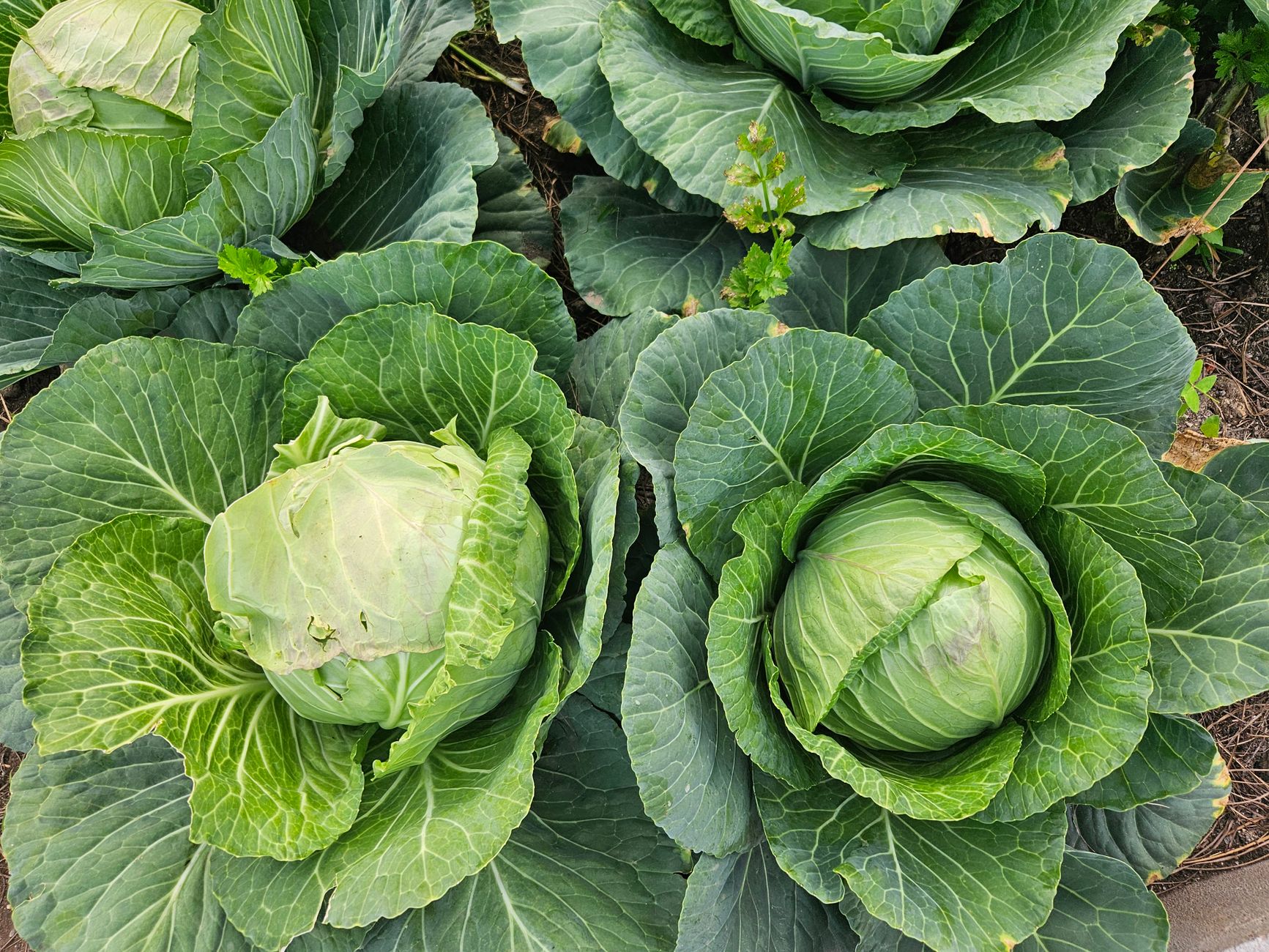
Cabbage is a versatile and nutritious vegetable commonly used in various culinary applications. A member of the Brassica family, it comes in several varieties, including green, red, and Savoy cabbage. One standout feature of cabbage is its fiber content, which plays a crucial role in digestive health.
In this article, we will explore how much fiber is in cabbage, its nutritional benefits, recommended serving sizes, and how to incorporate this leafy green into your diet effectively.
How Much Fiber in Cabbage?
Cabbage contains approximately 2 grams of fiber per one-cup serving when raw and around 4 grams per cup when cooked. This fiber content contributes to cabbage’s reputation as a healthy food option, enhancing digestion and promoting feelings of fullness.
Types of Cabbage and Their Fiber Content
There are several types of cabbage, each with its unique flavor profile and nutritional benefits. The fiber content can vary slightly among different types:
- Green Cabbage: Approximately 2 grams of fiber per cup raw.
- Red Cabbage: Similar to green cabbage, contains around 2 grams of fiber per cup raw.
- Savoy Cabbage: Offers about 2 grams of fiber per cup raw, known for its curly leaves and milder flavor.
- Chinese Cabbage (Napa): Contains around 1.5 grams of fiber per cup when raw.
Nutritional Profile of Cabbage
Beyond its fiber content, cabbage is highly nutritious. Here’s a breakdown of its nutritional profile per one cup (about 89 grams) of raw green cabbage:
- Calories: 22
- Protein: 1 gram
- Fat: 0.1 gram
- Carbohydrates: 5 grams
- Fiber: 2 grams
- Vitamin C: 85% of the Daily Value (DV)
- Vitamin K: 54% of the DV
- Folate: 10% of the DV
- Calcium: 4% of the DV
Health Benefits of Fiber-Rich Foods
Incorporating fiber-rich foods like cabbage into your diet can promote several health benefits:
- Improves Digestive Health: Dietary fiber helps maintain bowel regularity and prevent constipation.
- Supports Weight Management: High fiber content can help you feel full longer, reducing overall calorie intake.
- Regulates Blood Sugar Levels: Fiber slows the absorption of sugar, which can help stabilize blood glucose levels.
- Lowers Cholesterol: Soluble fiber can help reduce cholesterol levels, contributing to heart health.
Recommended Serving Sizes
To reap the fiber benefits of cabbage, consider the following serving sizes:
- Raw Cabbage: Aim for about 1 cup of shredded cabbage in salads or slaws.
- Cooked Cabbage: Enjoy 1 cup served simply steamed, sautéed, or added to soups and stews.
- Juiced Cabbage: Though juicing reduces fiber content, if you choose to juice cabbage, aim for a half-cup of raw cabbage as part of your juice blend.
Incorporating Cabbage Into Your Diet
There are numerous ways to include cabbage in your meals. Here are some practical ideas:
- Salads: Mix shredded cabbage with carrots and a light dressing for a refreshing slaw.
- Soups and Stews: Add chopped cabbage to vegetable or meat-based soups for added texture and nutrition.
- Stir-Fries: Sauté cabbage with other vegetables and proteins for a quick and nutritious meal.
- Fermentation: Consider making sauerkraut or kimchi for a probiotic-rich side dish.
Cooking Cabbage: Tips and Techniques
Cooking cabbage can enhance its flavor while retaining its nutritional benefits. Here are several methods with brief descriptions:
Steaming
Steaming cabbage is a great way to retain its nutrients.
- Prepare the cabbage by removing the core and slicing it into wedges or shreds.
- Fill a pot with an inch of water and bring it to a boil.
- Place the cabbage in a steaming basket and cover.
- Steam for about 5-7 minutes, or until tender but still crisp.
Sautéing
Sautéing cabbage gives it a wonderful flavor and a bit of caramelization.
- Heat a tablespoon of olive oil or butter in a skillet over medium heat.
- Add sliced cabbage and season with salt and pepper.
- Sauté for 5-10 minutes until tender and slightly browned.
Boiling
Boiling cabbage is quick, but be careful not to overcook it.
- Bring a large pot of water to a boil.
- Add cabbage pieces and boil for about 3-5 minutes.
- Drain and serve with butter or as part of other dishes.
Fermenting
Fermenting cabbage is an excellent way to preserve it while adding beneficial bacteria.
- Shred cabbage and place in a large bowl.
- Add salt and massage into the cabbage until it releases water.
- Pack into a clean jar, ensuring it is submerged in its brine.
- Seal and let ferment at room temperature for several days to a week, depending on the desired sourness.
Common Mistakes and Troubleshooting
When cooking cabbage, here are some common mistakes to avoid:
- Overcooking: This can lead to mushy texture and loss of nutrients. Aim for just tender vegetables.
- Not Removing the Core: Always remove the tough core before cooking or eating raw to ensure a pleasant texture.
- Neglecting Seasoning: Cabbage has a mild flavor; seasoning is key to enhancing its taste.
Storage and Preservation of Cabbage
Learning how to store cabbage will allow you to enjoy it fresh for an extended period.
- Refrigeration: Keep cabbage in a perforated plastic bag in the vegetable crisper drawer of your fridge. Stored this way, cabbage can last up to two weeks.
- Freezing: For long-term preservation, blanch cabbage for 2-3 minutes, cool it in ice water, drain, and then freeze in an airtight container. Frozen cabbage is best used in cooked dishes.
Cabbage Varieties and Their Culinary Uses
Different cabbage varieties can complement various dishes. Here are some popular varieties and their best uses:
- Green Cabbage: Often used in coleslaw, stir-fries, and soups.
- Red Cabbage: Excellent for salads, slaws, and pickling due to its vibrant color.
- Savoy Cabbage: Delicate and tender, perfect for stuffing or sautéing.
- Chinese Cabbage: Adds crunch to stir-fries or can be pickled.
Fiber-Rich Alternatives and Substitutions
If you’re looking for other fiber-rich vegetables similar to cabbage, consider these options:
- Broccoli: Contains about 2.4 grams of fiber per cup cooked.
- Brussels Sprouts: Offers 3.3 grams of fiber per cup cooked.
- Kale: Provides 2.6 grams of fiber per cup cooked.
- Spinach: Contains about 4.3 grams of fiber per cup cooked.
Conclusion
Cabbage is not only a low-calorie, nutrient-dense vegetable but also a great source of dietary fiber. Incorporating various types of cabbage into your meals can enhance your overall health and well-being. Whether you’re slawing it, sautéing it, or enjoying it fermented, you’ll appreciate the many culinary possibilities this vegetable offers.
For more information on the benefits of cabbage, tips on making sautéed cabbage, or other interesting cabbage-related recipes, explore our guides on how cabbage affects digestion and a delicious sautéed cabbage recipe.