
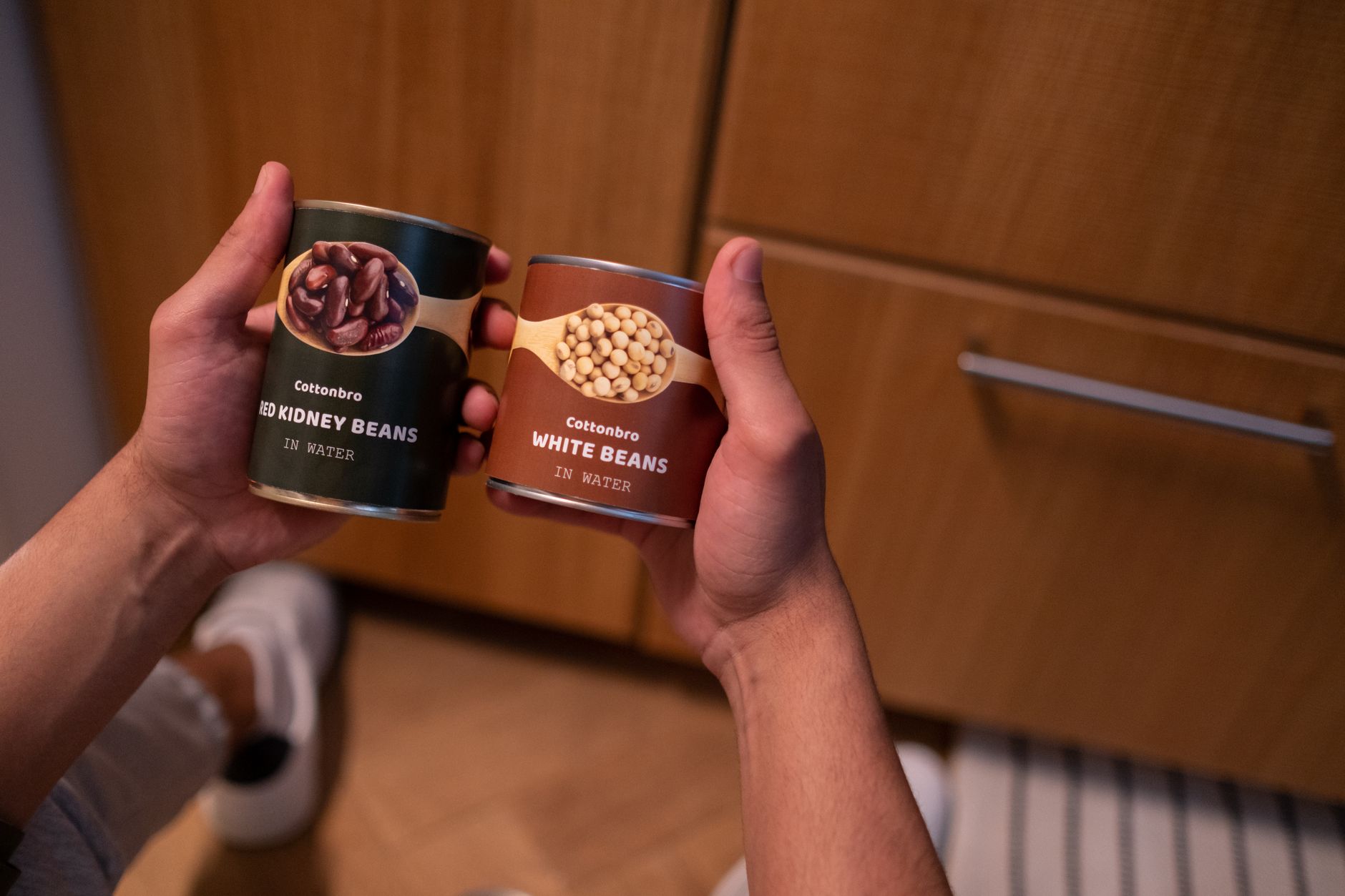
Canned beans are a staple in many kitchens due to their convenience, versatility, and nutritional benefits. Understanding how long canned beans last can help you manage your pantry effectively and avoid waste. Whether you’re stocking up for quick meals or using them as a protein source, knowing the shelf life of your canned beans is essential for safe consumption.
In this article, we will explore the shelf life of canned beans, how to store them properly, signs of spoilage, and tips to maximize their usability. We’ll also touch upon types of canned beans and how to incorporate them into your meals.
How Long Do Canned Beans Last?
Canned beans can last for many years if stored correctly, as they are conserved through cooking and sealed in an airtight environment. Generally speaking, unopened canned beans can last anywhere from 3 to 5 years beyond the printed expiration date. However, they are best consumed within this timeframe for optimal flavor and texture.
Once opened, canned beans should be refrigerated and used within 3 to 5 days. Always remember to transfer the beans to a sealed container if they will not be used immediately to maintain freshness.
Understanding Canned Beans and Their Shelf Life
Canned beans come in various varieties, including black beans, pinto beans, chickpeas, kidney beans, and navy beans, among others. Each type might have slightly different characteristics, but their shelf life tends to be quite similar.
Unopened Canned Beans
Unopened cans of beans can last a long time due to the preservation process. They typically have a shelf life indicated on the label, which may include a “best by” or “use by” date. It’s important to note that these dates are not strict expiration dates but rather suggestions for when the product is at its best quality.
Opened Canned Beans
Once you open a can of beans, the shelf life decreases significantly. After opening, beans should be kept in the refrigerator and consumed within 3 to 5 days for the best quality. Do not leave opened canned beans in the can; it’s always best to transfer them to an airtight container for storage.
Factors Affecting Shelf Life
The actual shelf life of canned beans can vary depending on several factors:
- Can Integrity: Check for any dents, rust, or swelling, as these can compromise the seal and quality of the beans.
- Storage Conditions: Store canned beans in a cool, dry place away from direct sunlight. Extreme temperature fluctuations can affect the longevity of canned goods.
- Type of Bean: Certain beans may have longer shelf lives than others due to their density and cooking process.
How to Store Canned Beans Properly
Storing canned beans properly can extend their life and maintain their quality. Here are some practical storage tips:
Unopened Canned Beans
- Store cans in a cool, dark place like a pantry or cupboard.
- Avoid placing them near the stove or in contact with moisture, as heat and humidity can impact the can’s integrity.
- Keep them off the ground to prevent rust and other damage.
Opened Canned Beans
- Transfer leftovers into a glass or plastic airtight container.
- Label the container with the date opened to keep track of freshness.
- Store in the refrigerator and consume within 3 to 5 days.
Signs of Spoilage in Canned Beans
Even if the canned beans are within the estimated shelf life, it’s essential to inspect them before use. Here are some signs that canned beans have spoiled:
- Off Odors: Any sour or bad smell when you open the can can indicate spoilage.
- Color Changes: Bean color should be consistent; unusual colors (such as black or gray) could suggest that they are bad.
- Texture Changes: If the beans appear mushy or slimy, it’s best to discard them.
- Can Damage: Dents, rust, or swelling of the can are indicators that the contents may not be safe to eat.
How to Use Canned Beans in Your Cooking
Canned beans are incredibly versatile and can be added to a variety of dishes. Here’s how to easily incorporate them into your meals:
Salads
Add canned beans to salads to enhance protein and fiber content. Beans work well in mixed green salads, grain salads (like quinoa or farro), and even pasta salads.
Soups and Stews
Canned beans are perfect for making quick soups and stews. Simply add them to your base along with vegetables and spices for a hearty dish.
Chili
Canned beans can easily be incorporated into chili recipes, adding flavor and texture without the long cooking times required by dried beans.
Tacos and Burritos
Use canned beans as a filling for tacos or burritos. They can be mixed with other ingredients like cheese, salsa, and vegetables for a satisfying meal.
Pasta Dishes
Add beans to pasta dishes for additional protein. Toss them into your sauces or mix them with butter and garlic for a simple side dish.
Practical Storage Tips to Maximize Usability
To ensure that you get the most out of your canned beans, follow these storage tips:
- Check your pantry regularly for expiration dates and use older cans first to avoid waste.
- Consider batch cooking with your canned beans to create meals that can be utilized throughout the week.
- Create portions: portion out beans into individual servings if you commonly use them, making meal preparation more accessible during the week.
Dish Ideas Featuring Canned Beans
Want some specific recipes or ideas that highlight canned beans? Here are a few to consider:
Creamy Bean Dip
Blend canned beans with some garlic, lime juice, and olive oil for a quick and easy dip. Perfect for parties or a healthy snack.
Vegetarian Bean Burgers
Combine mashed canned beans with breadcrumbs, spices, and eggs to form patties. Grilling or baking them makes for a healthy and delicious burger alternative.
Bean Salad with Lemon Vinaigrette
Toss together canned beans, diced bell peppers, onion, and parsley, then dress with a simple lemon vinaigrette. This refreshing dish can be served as a side or light meal.
Conclusion
Canned beans are a convenient pantry staple with a long shelf life, making them a great ingredient for a variety of dishes. They can last for years if stored properly, and knowing how to handle both opened and unopened cans is crucial for maintaining quality. Remember to check for signs of spoilage before use, and explore the various ways you can include beans in your meals for added nutrition and flavor.
For further reading on how to keep your beans fresh in the fridge, check out our guide on how long do beans last in the fridge. If you’re looking for a delicious recipe to try, explore our Southern pinto beans recipe that highlights the rich flavors of this versatile ingredient.