
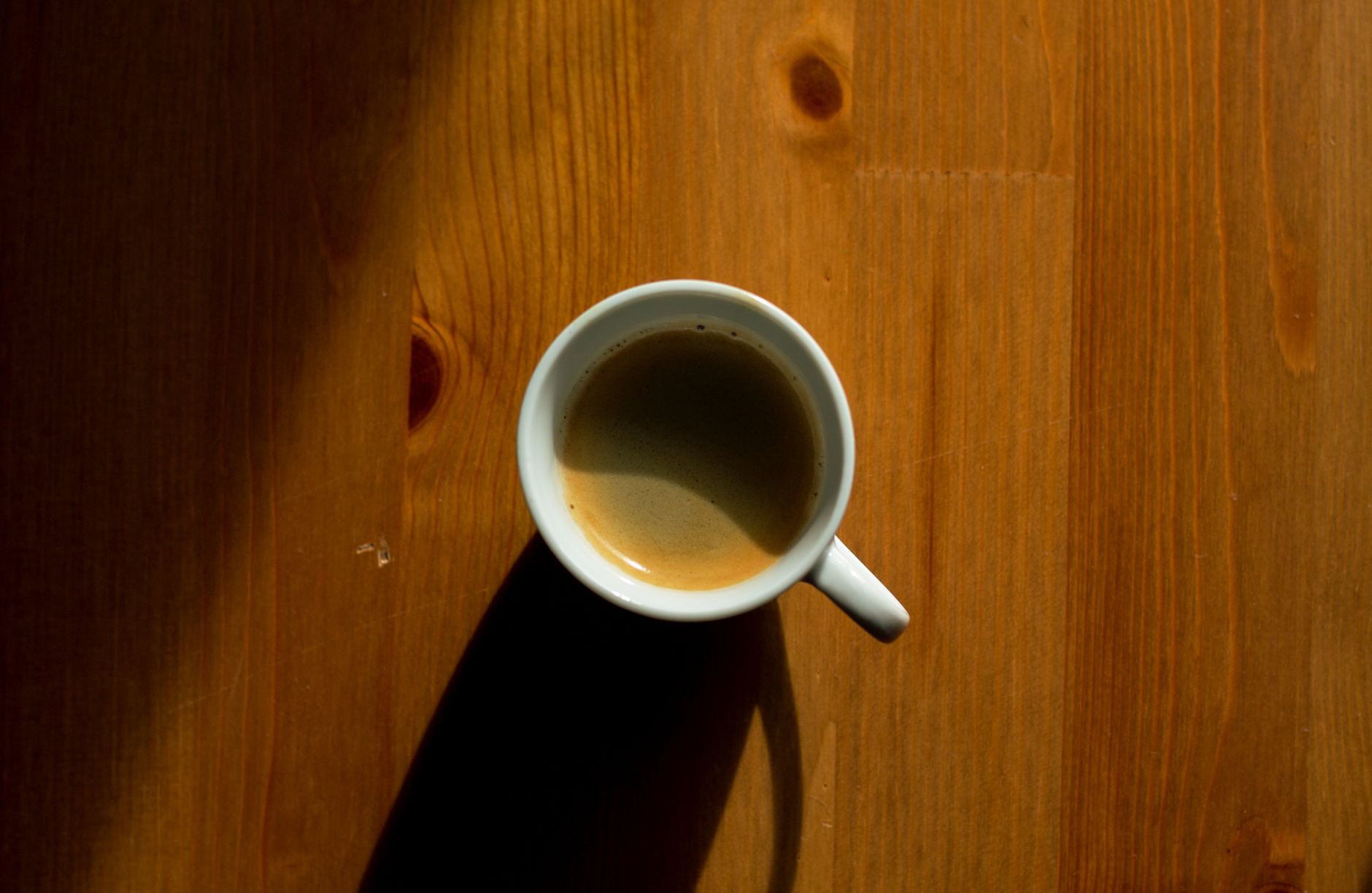
Espresso is a staple in countless coffee beverages and has gained immense popularity around the world. As a concentrated form of coffee, a shot of espresso packs a powerful punch of flavor and caffeine. However, if you’re wondering how much caffeine is in a shot of espresso, you’re not alone. This article dives into the details of espresso’s caffeine content, its impact on the body, and how it compares to other coffee drinks.
Understanding the caffeine content of espresso can help you better manage your caffeine intake, whether you’re looking to reduce your consumption or simply satisfy your curiosity. Let’s explore what contributes to the caffeine levels in espresso and how you can make a delicious shot at home.
How Much Caffeine Does a Shot of Espresso Have?
A standard shot of espresso contains approximately 63 milligrams of caffeine. This amount can vary based on factors such as the type of coffee bean, the brewing method, and the serving size. It’s important to note that while espresso has a higher concentration of caffeine compared to other coffee types, the serving size is typically much smaller.
Understanding Caffeine in Espresso
Caffeine is a natural stimulant found in varying quantities in coffee beans. The amount of caffeine in espresso can be influenced by several factors:
- Type of Coffee Bean: Different coffee beans have different caffeine contents. Arabica beans generally have less caffeine than Robusta beans.
- Finely Ground Coffee: Espresso is made from finely ground coffee, which increases the surface area and allows for better extraction of caffeine during brewing.
- Brewing Time and Temperature: Espresso is brewed under pressure, which extracts caffeine more efficiently in a shorter time compared to traditional brewing methods.
- Single vs. Double Shot: A standard espresso shot is typically single, but a double shot (which is two ounces) may contain around 125 milligrams of caffeine.
Comparing Caffeine Content: Espresso vs. Other Coffee Drinks
To appreciate the caffeine content of espresso, it’s useful to compare it with other popular coffee beverages:
- Regular Brewed Coffee: An 8-ounce cup of brewed coffee typically contains around 95 mg of caffeine.
- Americano: Made by diluting a shot of espresso with hot water, an Americano retains the caffeine levels of a single shot of espresso, which is around 63 mg per shot.
- Latte: A 12-ounce latte usually contains one or two shots of espresso, giving it roughly 63-125 mg of caffeine.
- Cappuccino: Similar to a latte, a cappuccino has one or two shots of espresso, resulting in comparable caffeine content.
Factors Affecting Individual Sensitivity to Caffeine
While caffeine affects everyone differently, several factors determine how your body processes caffeine:
- Genetics: Your genetic makeup can influence how efficiently your body metabolizes caffeine.
- Body Weight: Individuals with a higher body weight may require more caffeine to feel the same effects as lighter individuals.
- Regular Consumption: Habitual coffee drinkers may build up a tolerance to caffeine, requiring more to experience the same effects.
- Age: Metabolism changes with age, which can affect how caffeine is absorbed and processed.
- Medications: Certain medications can interact with caffeine, altering its effects.
How to Make a Great Shot of Espresso
If you want to experience the rich flavor and caffeine kick of espresso at home, you can easily make it using an espresso machine or a stovetop espresso maker. Here’s a simple guide to making a classic shot of espresso:
Essential Equipment
- Espresso machine or stovetop espresso maker
- Coffee grinder (burr grinder recommended)
- Fresh coffee beans (preferably a dark roast)
- Digital scale (optional but recommended)
- Tamper for compressing coffee grounds
Ingredients
- 18-20 grams of finely ground coffee for a double shot
- Filtered water (temperature around 200°F or 93°C)
Method
- Grind the Coffee: Use a burr grinder to grind your coffee beans just before brewing to ensure freshness. Aim for a fine grind similar to table salt.
- Measure the Coffee: Weigh out 18-20 grams of ground coffee for a double shot. For a single shot, use about 9-10 grams.
- Preheat the Espresso Machine: Ensure your machine is heated to the right temperature. This is essential for the perfect extraction.
- Tamp the Coffee: Place the ground coffee into the portafilter and use a tamper to compress the grounds evenly. Aim for a flat, even surface that is firmly compacted.
- Extract the Espresso: Lock the portafilter into the machine and start the shot. Aim for an extraction time of about 25-30 seconds to yield approximately 2 ounces of espresso.
- Enjoy! Once extracted, your espresso should have a rich crema on top. Drink it immediately for the best flavor.
Common Mistakes When Making Espresso
Espresso preparation can be tricky if you’re just starting out. Here are some common mistakes to avoid:
- Incorrect Grind Size: A grind that is too coarse won’t extract enough flavor, while a grind that is too fine can lead to over-extraction and bitterness.
- Improper Tamping: Uneven tamping can cause irregular water flow, impacting flavor and strength.
- Poor Water Temperature: Water that is too hot can scald the coffee, while water that is too cool won’t properly extract flavors.
- Over-Extraction: If the shot takes longer than 30 seconds, consider adjusting the grind size or tamping technique to prevent bitterness.
Health Considerations of Caffeine
While caffeine is generally safe for most people, excessive caffeine intake can lead to adverse effects such as anxiety, jitteriness, and sleep disturbances. It’s important to consume it in moderation:
- The FDA recommends a maximum daily limit of 400 mg of caffeine for most adults, which translates to about six shots of espresso.
- Pregnant individuals should discuss caffeine consumption with their healthcare provider, as the effects can vary.
- People sensitive to caffeine may need to limit their intake, even from a single shot of espresso.
Decaffeinated Espresso: What to Know
If you enjoy the taste of espresso but want to avoid caffeine, consider trying decaffeinated espresso. It typically contains about 1-2 mg of caffeine per shot. The decaffeination process involves removing most of the caffeine while retaining the coffee’s flavor. Here are some key points:
- Decaffeination Methods: The Swiss Water Process and chemical solvents are common methods used to decaffeinate coffee beans.
- Taste Differences: While decaf espresso has a slightly different flavor profile than regular espresso, many brands aim to provide a robust taste.
- Health Benefits: Decaf espresso can be enjoyed without the jitters associated with caffeine, making it a good option for those sensitive to its effects.
Exploring Espresso-Based Drinks
Espresso serves as the foundation for numerous coffee beverages. Here are a few popular espresso-based drinks:
- Espresso Macchiato: A shot of espresso topped with a small amount of frothed milk, creating a creamy texture.
- Flat White: A combination of espresso and steamed milk with a velvety texture, popular in Australia and New Zealand.
- Mocha: A delightful blend of espresso, steamed milk, and chocolate syrup, topped with whipped cream.
- Affogato: A simple yet indulgent dessert consisting of a scoop of vanilla ice cream topped with a shot of hot espresso.
Conclusion
Espresso packs a significant caffeine punch in a small serving size, containing around 63 mg of caffeine per shot. This concentration is what makes espresso a favorite for coffee lovers seeking a bold and rich flavor. Understanding the caffeine content helps you manage your consumption and enjoy espresso responsibly. Should you decide to make your espresso, keep in mind the tips and techniques discussed to ensure a delicious result every time.
If you’re curious to expand your coffee repertoire, explore recipes like espresso tonic or make an iced Americano for a refreshing twist on your espresso enjoyment.