
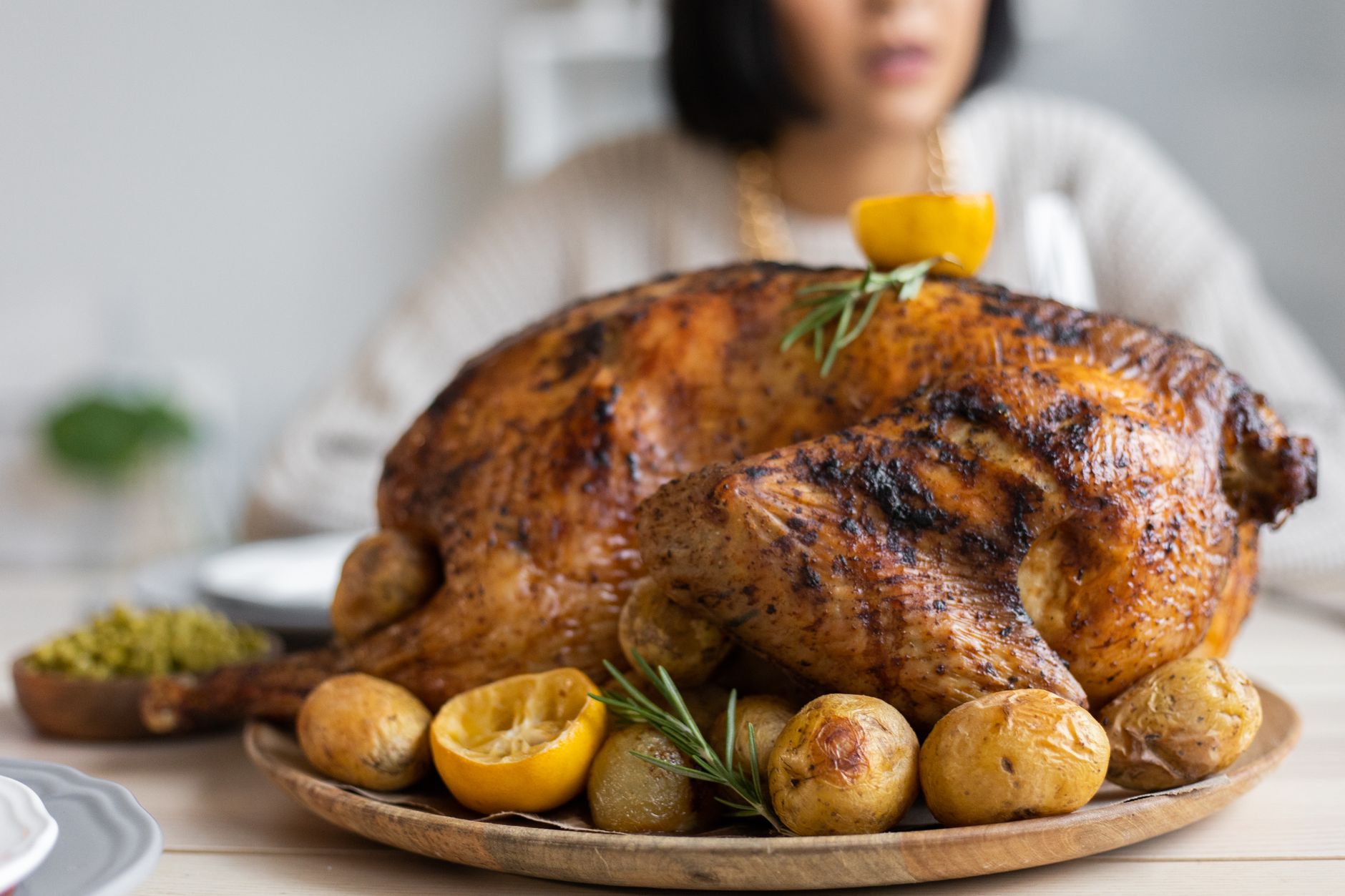
When it comes to the safety of our food, few topics are as debated as the potential health risks of consuming certain meats, including turkey. Many are left wondering: is turkey a carcinogen? This article delves into the relationship between turkey consumption and cancer, exploring nutritional aspects and dietary considerations.
Turkey is a popular choice for many households, especially during festive seasons like Thanksgiving. Its lean protein content and versatility in cooking make it a staple in various recipes. However, understanding any associated health risks is crucial for informed dietary choices.
Is Turkey a Carcinogen?
Current scientific research indicates that turkey is not classified as a carcinogen. While processed meats, such as bacon or hot dogs, have been linked to cancer risk due to methods like smoking or curing, turkey, particularly the unprocessed kind, does not carry the same concerns. However, the way turkey is prepared and consumed can influence its health effects.
Nutritional Profile of Turkey
Before diving into details about potential risks, it’s important to acknowledge turkey’s nutritional benefits. Turkey is low in fat and high in protein, making it an appealing choice for health-conscious individuals. Here’s a breakdown of its nutritional components:
- Protein: Turkey is an excellent source of protein, supporting muscle growth and repair.
- Vitamins: It contains B vitamins, particularly niacin and B6, which are essential for energy metabolism and brain health.
- Minerals: Turkey provides zinc and selenium, supporting immune function and antioxidant defense.
- Low-calorie option: Lean turkey breast meat is lower in calories than many other meats.
Cooking Methods and Their Impact on Health
The way turkey is prepared can significantly affect its health implications. Here are some common cooking methods and their nutritional consequences:
Grilling and Broiling
Grilling or broiling turkey can create a deliciously crispy skin, but these methods pose a risk of forming harmful compounds.
- Heterocyclic amines (HCAs): These potentially carcinogenic compounds can form when meat is cooked at high temperatures.
- Polycyclic aromatic hydrocarbons (PAHs): Another type of carcinogen that can form when meat drippings fall onto hot coals, producing smoke that can adhere to the meat.
Roasting
Roasting turkey is a traditional cooking method, especially during holiday meals. This method can minimize the formation of HCAs and PAHs, especially if cooked at moderate temperatures.
Baking
Baking turkey in the oven is another healthy option, especially when done without heavy sauces or additional fats. Proper seasoning can enhance flavor without the need for unhealthy additives.
Frying
Deep-frying turkey creates a crispy texture and rich flavor. However, this method often involves cooking in high-fat oils, increasing calorie and fat intake, which can lead to health issues if consumed in excess.
Processed Turkey Products
Processed turkey products, such as turkey bacon and turkey sausages, may present different considerations. These foods can contain preservatives and salts that may contribute to health risks.
- Nitrites and Nitrates: These preservatives are often found in processed meats and have been linked to increased cancer risk.
- Sodium Containment: Processed turkey products can be higher in sodium, increasing the risk of high blood pressure and other health concerns.
Health Risks and Recommendations
While turkey is not classified as a carcinogen, it’s essential to consider how various aspects of consumption could impact health. For the best outcomes, here are some recommendations:
Opt for Unprocessed Turkey
Choosing fresh, unprocessed turkey rather than deli meats or processed options is a primary recommendation. Unprocessed turkey offers higher nutritional value without the additives, nitrates, or preservatives commonly found in processed foods.
Mindful Cooking Techniques
To minimize health risks while enjoying turkey, consider these cooking techniques:
- Avoid charring the meat when grilling.
- Utilize marinating, which can help reduce HCA formation.
- Cook at lower temperatures when possible to reduce the risk of carcinogen formation.
Balance and Moderation
As with any food, moderation is key. Incorporating various protein sources into your diet can ensure a balanced intake of nutrients.
Potential Substitutions to Consider
If you are concerned about carcinogenic risks or simply looking to diversify your protein sources, consider these alternatives to turkey:
- Chicken: Similar in taste and texture, chicken can be a lean alternative with a similar nutritional profile.
- Fish: Fatty fish, such as salmon and mackerel, provide omega-3 fatty acids beneficial for heart health.
- Legumes: Plant-based proteins like lentils and chickpeas can be excellent meat substitutes in various recipes.
- Tofu: This soy product can absorb flavors well and serves as a versatile meat replacement in many dishes.
Meal Planning with Turkey
Incorporating turkey into your meal planning can be efficient, given its versatility. Here’s how to effectively plan meals using turkey:
Weekly Meal Ideas
- Turkey stir-fry: Incorporate fresh vegetables and lean turkey for a balanced meal.
- Turkey chili: Use ground turkey, beans, and tomatoes for a comforting dish.
- Turkey sandwiches: Opt for whole-grain bread and plenty of vegetables to enhance nutrition.
- Bake turkey meatballs: Pair with whole-grain pasta for an easy weeknight dinner.
Shopping Tips
When purchasing turkey, keep these tips in mind:
- Purchase organic or free-range turkey when possible for better nutritional quality.
- Check expiration dates to ensure freshness.
- Consider buying in bulk and freezing for later use.
Storage and Reheating of Turkey
Proper storage and reheating are vital to ensure turkey remains safe and delicious. Follow these guidelines:
Storage
- Store uncooked turkey in the refrigerator for up to 2 days or in the freezer for several months.
- Cooked turkey should be refrigerated within two hours of cooking and consumed within 3-4 days.
- Ensure turkey is stored in airtight containers to maintain freshness.
Reheating
- Reheat turkey to an internal temperature of at least 165°F (74°C).
- Microwave or oven reheating methods work well; cover with a lid to retain moisture.
Conclusion
To summarize, turkey is not classified as a carcinogen when consumed as a whole, unprocessed product. The health risks associated with turkey largely depend on preparation methods and the consumption of processed varieties. Cooking turkey mindfully, incorporating it reasonably into your diet, and balancing it with other protein sources can allow you to enjoy this versatile meat while maintaining healthful eating habits.
For more insights, consider exploring how red meat can affect health in our article on red meat and cancer, or check out our guide on cooking turkey per pound for your next meal.