
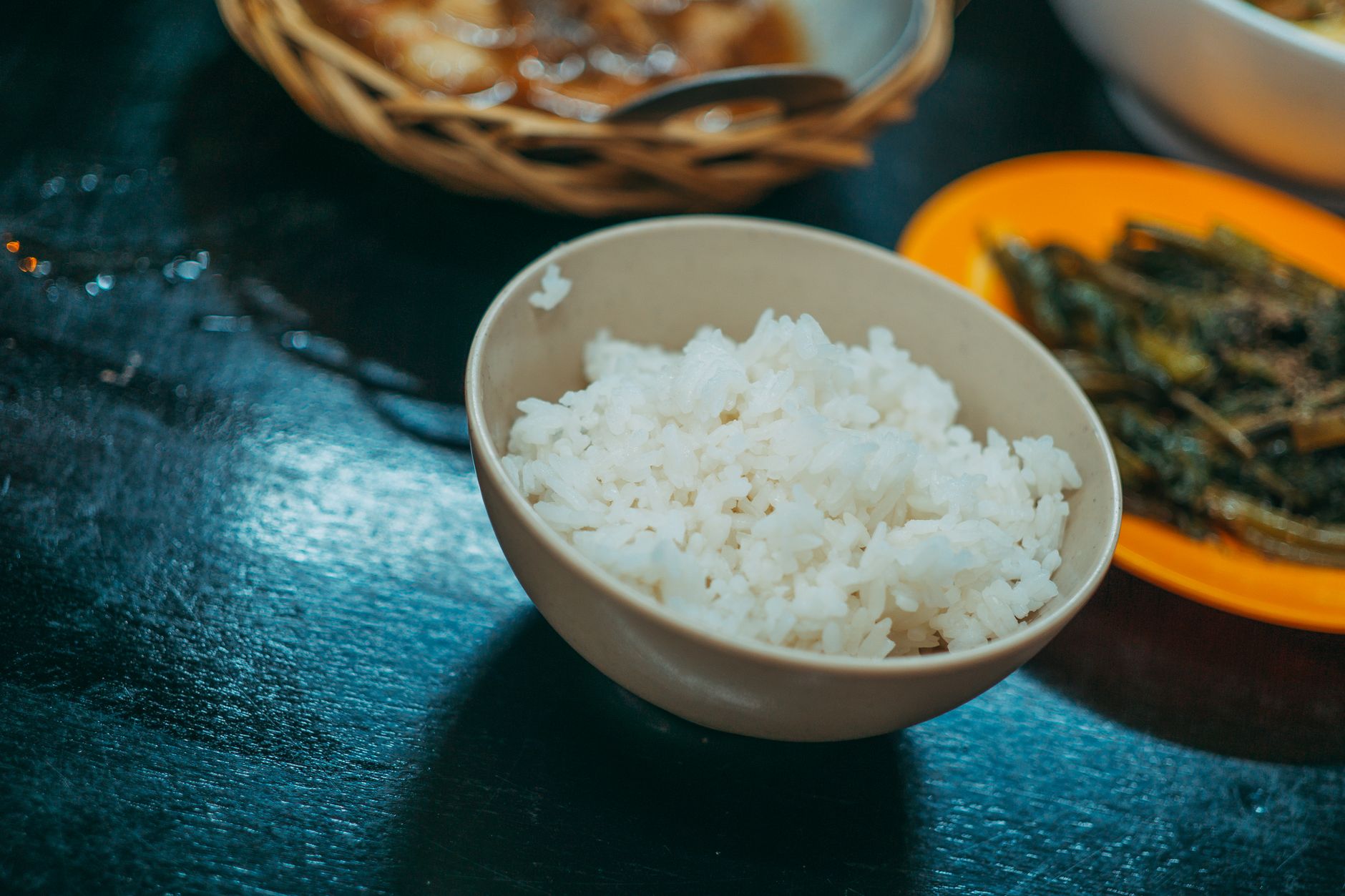
Rice is a staple food found in various cuisines across the globe, serving as a versatile base for countless dishes. Yet, one common frustration home cooks face is crunchy rice. This article will not only explore the reasons behind crunchy rice but also offer practical tips to achieve perfectly cooked rice, plus a few serving ideas for enhancing your rice dishes.
Understanding why rice can turn out crunchy is essential for any level of cook. From improper water ratios to cooking time and technique, various factors can influence the final texture of your rice. Read on to learn how to avoid crunchy rice and make the most of this beloved grain.
Why Is My Rice Crunchy?
Crispy or crunchy rice often results from insufficient cooking or insufficient water during the cooking process. When rice isn’t given enough time to absorb liquid or is cooked improperly, the grains do not soften and can remain hard in the center. Here are the primary reasons why your rice may turn out crunchy:
1. Insufficient Water
Each type of rice requires a different water-to-rice ratio for optimal hydration. If you use too little water, the rice won’t reach the necessary moisture content for a tender texture.
2. Incorrect Cooking Time
Cooking rice for too short a duration can also prevent it from softening fully. Different rice varieties and methods dictate the necessary cooking time, and undercooking leads to a crunchy outcome.
3. Wrong Rice Variety
Some rice varieties, such as jasmine or basmati, have different textures and cooking requirements. If you use a short grain rice or another type that requires more time or liquid, you may end up with crunchy rice.
4. Cooking Method
The cooking method also affects the final texture. Techniques like steaming or boiling can yield different water absorption levels compared to methods such as sautéing or using an electric cooker.
5. Age of Rice
The age of your rice can impact its moisture content. Older, dried-out rice often requires more moisture to cook properly, as the grains lose some of their ability to absorb water over time.
How to Cook Rice Perfectly
Achieving perfectly cooked rice involves attention to details like water ratios, cooking time, and technique. Follow these steps for consistently tender, flavorful rice:
Essential Equipment
- Measuring cups for rice and water
- A heavy-bottomed saucepan or a rice cooker
- A tight-fitting lid
- A fork for fluffing the rice
Ingredient List
- 1 cup of rice (variety of your choice, such as long-grain, short-grain, jasmine, or basmati)
- 2 cups of water or broth (adjust based on rice type)
- 1 tablespoon of oil or butter (optional, for flavor)
- Salt (to taste, about 1/2 teaspoon)
Step-by-Step Instructions
- Measure Rice: Start by measuring the rice you need, typically 1 cup for side dishes serving about 2-3 people.
- Rinse Rice: Rinse the rice under cold water until the water runs clear. This removes excess starch and helps prevent stickiness.
- Combine Ingredients: In a heavy-bottomed saucepan, combine the rinsed rice, water (or broth), a pinch of salt, and oil or butter if desired.
- Bring to a Boil: Heat the mixture over medium-high heat until it comes to a rolling boil.
- Reduce Heat: Once boiling, reduce the heat to low and cover the saucepan with a tight-fitting lid.
- Cook: Allow the rice to simmer gently for about 18-20 minutes (depending on rice type). Avoid lifting the lid during cooking, which can release steam and affect cooking time.
- Check for Doneness: After cooking, check if the water is absorbed and rice is tender. If not, cover and cook for an additional 2–3 minutes.
- Let It Sit: Once cooked, turn off the heat and let the rice sit covered for about 5 minutes to allow for further steam absorption.
- Fluff and Serve: Using a fork, fluff the rice gently before serving to separate the grains.
Common Mistakes and Troubleshooting
While cooking rice may seem straightforward, mistakes can easily happen. Here are common pitfalls and how to troubleshoot them:
1. Too Much Water
If you’ve added too much water, your rice will be soggy. Consider using a different cooking method (a lower heat) to allow excess moisture to evaporate.
2. Burning Rice
If your rice burns on the bottom, reduce the heat next time, ensuring a gentle simmer. Using a heavy-bottomed pot can also help distribute heat evenly.
3. Rice Sticking Together
Rice can become gummy if too much starch remains. Rinsing before cooking reduces starch and can help each grain stay separate.
Variations and Enhancements
Once you’ve mastered cooking rice, consider enhancing its flavor and nutrition with various ingredients. Here are some serving ideas and variations:
Flavorful Broths
Substituting water with vegetable, chicken, or beef broth can add depth and flavor to your rice. Experiment with different spices and herbs in the broth for added taste.
Vegetable Additions
Incorporate vegetables like peas, bell peppers, carrots, or spinach into the cooking water for colorful, nutritious rice. Add them five minutes before the rice is done for a one-pot meal.
Herbs and Spices
Adding fresh herbs such as parsley, cilantro, or thyme, or spices like cumin or turmeric, can bring a whole new dimension to plain rice. Stir them in after cooking for a fresh flavor boost.
Nuts and Seeds
Toast nuts or seeds in the pot before adding rice for a crunchy texture and additional flavor. Almonds, pine nuts, and sesame seeds are excellent choices.
Curry Rice
Curry powder can add warmth and complexity. Stir it into the water before cooking for spiced rice that pairs well with various dishes.
Make-Ahead and Storage
Cooking rice in larger batches can save time for meal prep. Here’s how to store and reheat rice effectively:
Storage
- Cool any leftover rice to room temperature before transferring it to an airtight container.
- Store in the refrigerator for up to four days or freeze for up to six months for longer storage.
Reheating
When reheating rice, ensure it’s heated evenly. Add a splash of water to the rice before microwaving for added moisture. Cover to trap steam and heat until warm throughout.
Conclusion
Cooking rice successfully involves understanding the proper water ratios, cooking times, and handling methods. By following the techniques outlined above, you can avoid the frustration of crunchy rice while discovering delicious ways to enhance your dish. Start your journey toward perfectly cooked rice today!
For more ideas, check out our Instant Pot Brown Rice Recipe and try making a flavorful Seasoned Rice Recipe to accompany your next meal.