
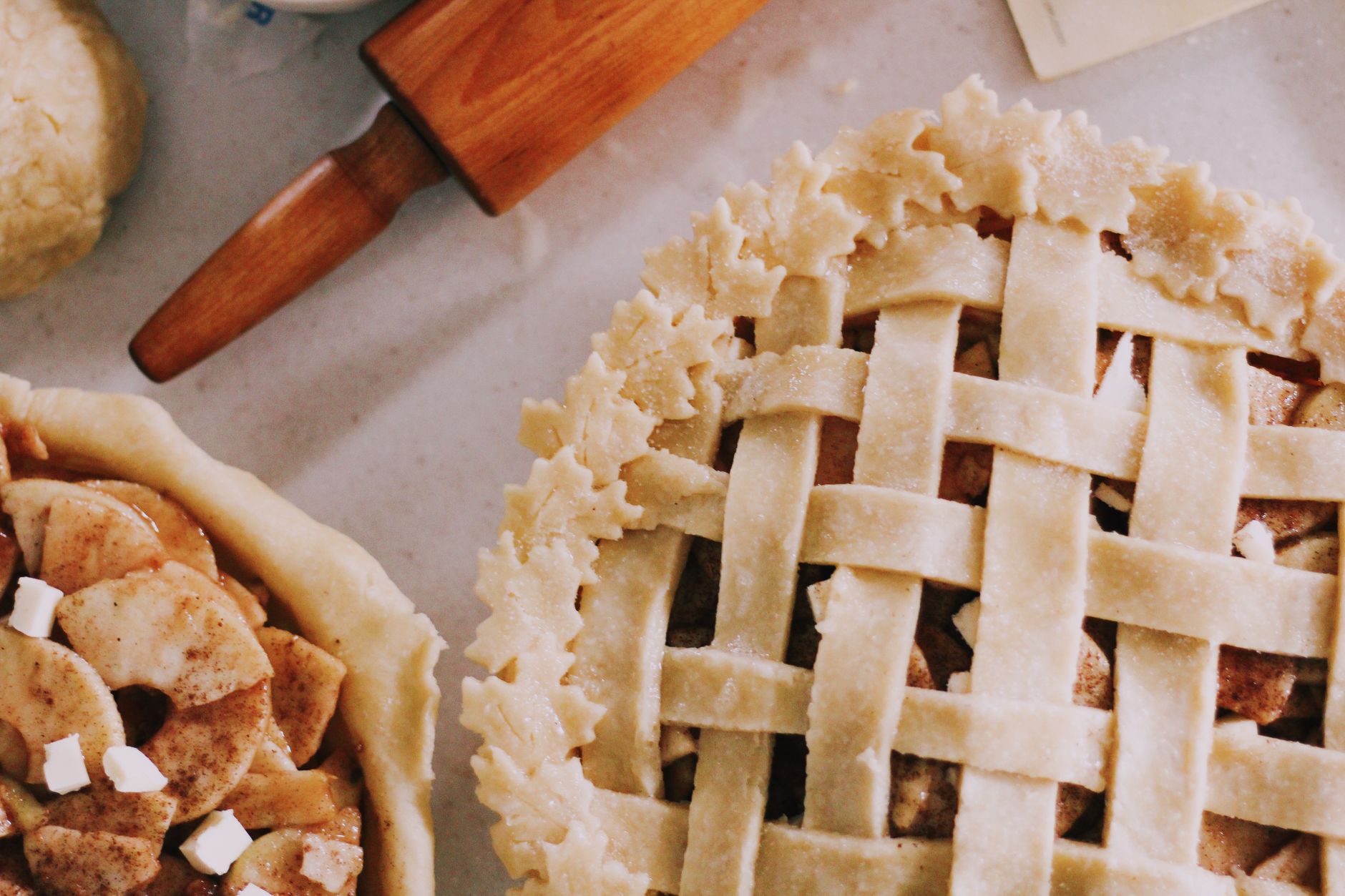
When it comes to making a pie crust, the type of flour you choose can significantly affect the texture and flavor of the final product. Bread flour, known for its high protein content, may not be the traditional choice for pastry making, but it can indeed be used. Understanding how bread flour affects your dough is key to making delicious pie crusts.
This article explores the feasibility of using bread flour for pie crust, dives into its characteristics, and provides practical tips and recipe ideas to help you achieve a delightful result whether you want a flaky or a more robust crust.
Can You Use Bread Flour for Pie Crust?
Yes, you can use bread flour for pie crust. However, it will yield a different texture compared to all-purpose or pastry flour. Due to its higher protein content, bread flour creates a sturdier, chewier crust, which may be desirable in certain recipes. Understanding its effects will help you choose the right flour for your pie baking needs.
Understanding Bread Flour
Bread flour is milled from hard wheat and has a higher protein content, typically between 12% to 14%. This higher protein allows for the development of gluten when mixed with water and kneaded, leading to chewier textures ideal for bread. When considering bread flour for pie crusts, it’s important to recognize both its benefits and drawbacks.
Characteristics of Bread Flour
- Protein Content: Higher than all-purpose and pastry flours, resulting in more gluten formation.
- Texture: Creates a denser and chewier crust.
- Absorption: Tends to absorb more water, which can alter the dough consistency.
Benefits of Using Bread Flour in Pie Crust
- Sturdiness: Ideal for pies with heavier fillings, such as meat or fruit, as it better holds its shape.
- Flavor: Can add additional depth to savory pie crusts.
- Availability: If you have bread flour on hand, it can be a convenient alternative.
Drawbacks of Using Bread Flour in Pie Crust
- Texture: The resulting crust may be too chewy for some palates.
- Flavor: The taste can differ, as the bready notes may not blend well with sweet fillings.
- Hydration: Requires adjustment in water quantity to prevent overly dry dough.
Adjusting for Bread Flour
When using bread flour for pie crust, you may need to adjust your recipe slightly. Here are some tips on how to achieve the best results:
- Reduce Liquid: Since bread flour absorbs more liquid than all-purpose flour, reduce the liquid amount by about 1 tablespoon for every cup of bread flour.
- Mixing Method: When combining your ingredients, mix just until the flour is incorporated to reduce gluten development.
- Chill the Dough: After mixing, refrigerate the dough for at least 30 minutes to help with texture and ease rolling.
Recipe Ideas Using Bread Flour
To illustrate how bread flour can be implemented in pie crust, here are a couple of recipe ideas:
Savory Chicken Pot Pie with Bread Flour Crust
This hearty dish features a rich filling and a bread flour crust that’s sturdy enough to hold up the chunky filling. Here’s how you can make it.
- Yield: 8 servings
- Preparation Time: 30 minutes
- Cooking Time: 45 minutes
- Total Time: 1 hour 15 minutes
Ingredients
- 1 ¼ cups bread flour
- ½ cup unsalted butter, cold and cubed
- ½ teaspoon salt
- 4 to 5 tablespoons ice water
- 2 cups cooked chicken, shredded
- 1 cup mixed vegetables (peas, carrots, corn)
- 1 cup chicken broth
- 1 tablespoon flour (for thickening)
- 1 teaspoon thyme (optional)
Method
- In a large mixing bowl, combine the bread flour and salt.
- Add the cold butter to the flour mixture and use a pastry cutter or your fingertips to blend until the mixture resembles coarse crumbs.
- Gradually add ice water, one tablespoon at a time, just until the dough comes together. Avoid overmixing.
- Form the dough into a disk, wrap it in plastic wrap, and refrigerate for at least 30 minutes.
- In a separate pot, combine the chicken, vegetables, chicken broth, and thyme. Bring to a simmer, then stir in the tablespoon of flour to thicken.
- Preheat the oven to 425°F (220°C).
- Roll out the chilled dough on a lightly floured surface to fit your pie dish. Transfer the dough to the dish and trim any excess.
- Pour the chicken and vegetable mixture into the crust, ensuring an even distribution.
- Roll out a second piece of dough for the top crust, cut slits for steam, and place it over the filling. Seal the edges by crimping with a fork.
- Bake for 30-35 minutes or until the crust is golden brown and the filling is bubbly. Let cool slightly before serving.
Apple Pie with Bread Flour Crust
This classic dessert can also benefit from using bread flour, giving the crust a slightly different texture that pairs well with the sweetness of the apples.
- Yield: 8 servings
- Preparation Time: 20 minutes
- Cooking Time: 50 minutes
- Total Time: 1 hour 10 minutes
Ingredients
- 1 ½ cups bread flour
- ½ cup unsalted butter, cold and cubed
- ¼ teaspoon salt
- 4 to 5 tablespoons ice water
- 4 cups apples, peeled and sliced (Granny Smith or Honeycrisp)
- ¾ cup sugar
- 1 teaspoon cinnamon
- 2 tablespoons lemon juice
- 1 tablespoon cornstarch (optional, for thickening)
Method
- Mix the bread flour and salt in a large bowl.
- Cut in the cold butter until the mixture forms coarse crumbs.
- Add the ice water gradually, stirring until the dough begins to form. Wrap it in plastic and chill for 30 minutes.
- Preheat the oven to 425°F (220°C).
- In a mixing bowl, combine the sliced apples, sugar, cinnamon, lemon juice, and cornstarch if using. Toss until combined.
- Roll out the dough for the bottom crust and place it in a pie dish. Fill with the apple mixture.
- Roll out a second sheet of dough for the top crust, place over the filling, and cut slits for venting.
- Bake for 40 to 45 minutes until the crust is golden and apples are tender. Cool before serving.
Common Mistakes When Using Bread Flour
While bread flour can be an excellent alternative, certain pitfalls may arise during baking:
- Overmixing the Dough: This leads to excessive gluten development, resulting in a tough crust.
- Too Much Liquid: Starting with additional water can make the dough overly sticky. Adjust as mentioned above.
- Skipping Refrigeration: Not chilling the dough adequately can lead to difficulty rolling it out and a less flaky texture.
Serving Suggestions
Whether you’re making a savory chicken pot pie or a sweet apple pie, the way you serve your pie can enhance the dining experience:
- Pair savory pies with a side salad or roasted vegetables for a complete meal.
- For sweet pies, serve with a scoop of vanilla ice cream or a dollop of whipped cream.
- Add a sprinkle of cinnamon sugar on top of sweet pies post-baking for extra flavor.
Make-Ahead Guidance
If you’re preparing for a gathering or holiday, consider making your pie crust ahead of time. Here are tips for make-ahead preparation:
- Freezing Unbaked Crusts: After mixing, shape the dough into disks, wrap tightly in plastic, and freeze for up to three months. Thaw in the refrigerator before rolling out.
- Pre-Baking the Crust: For blind-baking, roll out the pie crust, fit it into your dish, prick the bottom, freeze, and then bake it for a few minutes before adding the filling.
- Prepared Filling: You can also prepare your pie filling in advance. Store it in the refrigerator for up to three days before assembling the pie.
Storage and Reheating Tips
Storing and reheating pie properly will help maintain its delicious flavor and texture:
- For Unbaked Pies: Store in the refrigerator for up to 24 hours before baking.
- For Baked Pies: Cool completely, then wrap it in plastic wrap or aluminum foil. Store in the refrigerator for up to 4 days or freeze for up to 3 months.
- Reheating: To reheat baked pies, cover with foil and place in a 350°F (175°C) oven until heated through, usually 15 to 20 minutes.
Using bread flour for pie crust isn’t a common practice, but it certainly can lead to tasty twists on traditional pies. With the right techniques and adjustments, you can create unique pie crusts that complement both savory and sweet fillings.
Explore related recipes and guides to expand your pie-making skills and delight in the many possibilities of pie crusts and fillings. Check out our quick guide to Betty Crocker pie crust recipe and learn how to create a perfect chicken pot pie crust that will impress your guests.