
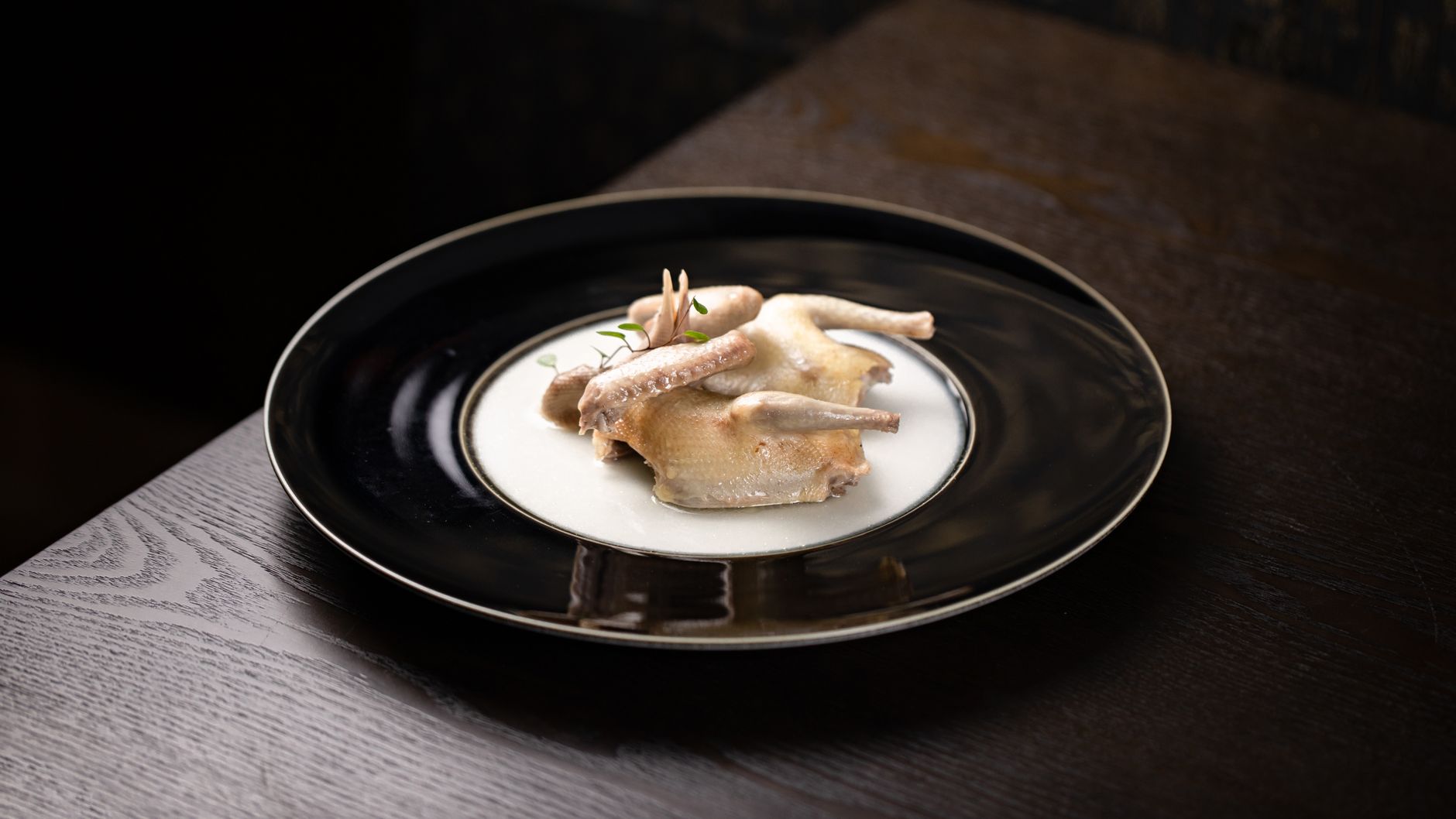
When preparing a roast, understanding cooking times and temperatures is essential to achieving a perfectly cooked dish. A roast can be anything from beef, pork, or lamb, to poultry like chicken or turkey, and the cooking time varies based on the type of meat, its size, and the desired doneness. This comprehensive guide will help you navigate the cooking process, ensuring your roast is flavorful, tender, and cooked to perfection.
In this article, we’ll explore exactly how long it takes to cook various types of roasts, provide essential temperature guidelines, and offer tips on achieving the best results. Whether you’re a seasoned cook or a novice in the kitchen, our practical advice will help you make your next roast a success.
How Long Does It Take for a Roast to Cook?
Cooking times for roasts can vary widely based on the type of meat and your desired level of doneness. Generally, the longer the roast cooks, the more tender it becomes. Here are some key timeframes based on different types of roasts:
Beef Roast Cooking Times
- Rare: 120-125°F (49-52°C) – 20 minutes per pound
- Medium Rare: 130-135°F (54-57°C) – 22 minutes per pound
- Medium: 140-145°F (60-63°C) – 25 minutes per pound
- Medium Well: 150-155°F (66-68°C) – 27 minutes per pound
- Well Done: 160°F and above (71°C and above) – 30 minutes per pound
Pork Roast Cooking Times
- Medium: 145°F (63°C) – 25 minutes per pound
- Well Done: 160°F (71°C) – 30 minutes per pound
Lamb Roast Cooking Times
- Medium Rare: 130-135°F (54-57°C) – 20 minutes per pound
- Medium: 140-145°F (60-63°C) – 25 minutes per pound
- Well Done: 160°F and above (71°C and above) – 30 minutes per pound
Poultry Cooking Times
- Chicken (whole): 165°F (74°C) – 20 minutes per pound
- Turkey: 165°F (74°C) – 13-15 minutes per pound
Understanding Internal Temperatures
Using a reliable meat thermometer is crucial for determining doneness. Here’s a quick reference guide for the safe internal cooking temperatures for various meats:
| Meat Type | Minimum Internal Temperature |
|---|---|
| Beef (steaks, roasts) | 145°F (63°C) |
| Pork | 145°F (63°C) |
| Lamb | 145°F (63°C) |
| Ground Meat (beef, pork, lamb) | 160°F (71°C) |
| Poultry (chicken, turkey) | 165°F (74°C) |
Factors Affecting Cooking Time
Several factors can influence the cooking time of a roast, including:
- Weight and Size: Larger roasts will take longer to cook. Always factor in size when estimating cooking times.
- Starting Temperature: Cooking meat straight from the refrigerator will require more time than a roast that has been allowed to sit at room temperature for about 30 minutes before cooking.
- Oven Temperature: Higher temperatures result in shorter cooking times. Most roasts are cooked between 325°F and 375°F (160°C to 190°C).
- Bone-in vs. Boneless: Bone-in roasts typically take slightly longer to cook than boneless cuts due to the bone’s insulating effect.
- Type of Meat: Different meats have different cooking times, as mentioned earlier. Additionally, fatty cuts usually take longer to reach the same level of tenderness.
Essential Equipment for Roasting
Using the right tools can make your roasting experience more effective and enjoyable. Here are key pieces of equipment you should have on hand:
- Roasting Pan: A heavy-duty roasting pan helps conduct heat evenly, allowing your roast to cook consistently.
- Meat Thermometer: An instant-read meat thermometer provides accuracy in gauging doneness. A probe thermometer can be inserted into the roast before cooking.
- Carving Knife: A sharp carving knife is essential for slicing your roast precisely and with ease.
- Cutting Board: An adequate surface will help you carve and rest your roast before serving, allowing juices to redistribute.
- Foil: Aluminum foil is useful for tenting the roast during resting to retain heat.
Step-by-Step Guide to Cooking a Roast
Here’s a straightforward method for cooking a roast, using a beef roast as an example:
- Choose Your Roast: Select a high-quality cut of beef, such as ribeye, tenderloin, or chuck roast.
- Preparation: Let the roast sit at room temperature for about 30 minutes. Preheat the oven to 325°F (160°C).
- Seasoning: Generously season the roast with salt, pepper, and your favorite herbs or spice blends.
- Searing (Optional): For added flavor, sear the roast in a hot skillet with oil for about 2-3 minutes on each side until browned.
- Roasting: Place the roast in a roasting pan and insert a meat thermometer into the thickest part, avoiding bones. Roast according to the cooking times mentioned earlier.
- Check Temperature: Monitor the roast periodically. Once it reaches the desired internal temperature, remove it from the oven.
- Resting: Allow the roast to rest for at least 15-20 minutes before carving. This resting period redistributes juices for a more tender roast.
- Slice and Serve: Use a sharp knife to carve the roast against the grain for optimal tenderness. Serve with sides of your choice.
Common Mistakes to Avoid
When it comes to cooking a roast, several mistakes can lead to disappointing results. Keep an eye on the following:
- Not Using a Meat Thermometer: Relying solely on cooking times can be misleading. Always ensure you’re checking the internal temperature.
- Skipping the Resting Period: Cutting into a roast immediately can lead to dry meat as the juices haven’t had time to redistribute.
- Cooking at Too High of a Temperature: While high heat can create a beautiful sear, it can also result in a rugged exterior before the inside cooks properly.
- Cluttered Oven: Ensure there’s enough space around the roast for heat circulation; overcrowding the oven can lead to uneven cooking.
Resting and Serving Suggestions
After resting, you can serve your roast with a variety of sides. Recommendations include:
- Roasted or mashed potatoes
- Seasonal vegetables
- Rich gravies or sauces
- Fresh salads
- Crusty bread
Make-Ahead and Storage Advice
Roasts can be a great make-ahead option for meal prep. Here’s how to approach leftovers and storage:
If you have leftover roast, let it cool to room temperature, then store it covered in the refrigerator for up to three days. For longer storage, consider freezing it. Wrap the roast tightly in plastic wrap and then in aluminum foil or an airtight container to prevent freezer burn. Allow it to thaw in the refrigerator before reheating.
Reheating Leftover Roast
When reheating the leftover roast, aim for a gentle reheating method to avoid dried-out meat. Here’s a simple method:
- Preheat the oven to 300°F (150°C).
- Place the roast in a baking dish with a splash of broth or water to maintain moisture.
- Cover the dish tightly with foil to trap steam.
- Heat for about 20-30 minutes, or until warmed through. Use a thermometer to ensure it reaches 165°F (74°C).
By following the steps and understanding the nuances of cooking times and temperatures, you can create the perfect roast meal that is sure to impress your family and friends.
Now, you’re well-equipped with the knowledge to tackle any roast. If you’re interested in specific recipes or techniques, consider trying our Dutch oven pot roast recipe or our top round roast recipe for a delicious outcome. Happy roasting!