
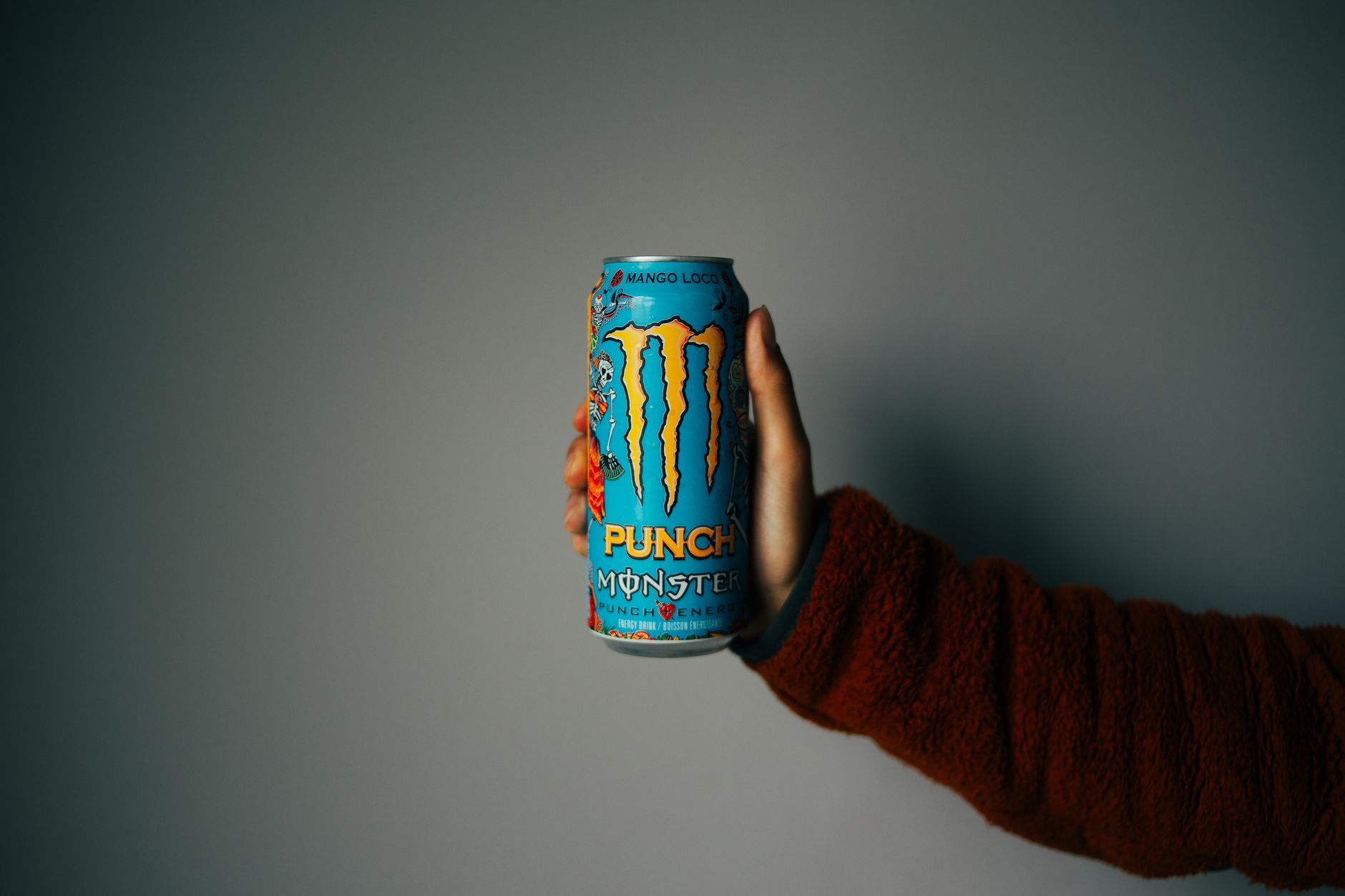
Energy drinks like Monster Energy have become a popular choice for many people seeking a boost in energy and alertness. With various flavors and formulations, an important aspect to consider is their calorie content. Understanding how many calories are in a Monster Energy drink can help you make informed choices about your beverage intake.
This article delves into the calorie counts of different Monster Energy drink varieties, analyzes their ingredients, discusses their potential effects, and offers considerations for consumption.
How Many Calories Are In A Monster Energy Drink?
A standard 16 fl oz (475 mL) can of Monster Energy contains approximately 160 calories. However, calorie counts can vary depending on the specific product line and flavor. Below, we will explore the calorie content of several popular Monster Energy beverages.
The Monster Energy Drink Varieties and Their Caloric Content
Monster Energy comes in a range of flavors and offerings. The calorie content can significantly differ between different types of drinks. Here are some common varieties and their calorie counts:
- Monster Energy Original: 160 calories per 16 fl oz (475 mL)
- Monster Energy Zero Ultra: 10 calories per 16 fl oz (475 mL)
- Monster Energy Absolutely Zero: 0 calories per 16 fl oz (475 mL)
- Monster Energy Mango Loco: 210 calories per 16 fl oz (475 mL)
- Monster Energy Ultra Sunrise: 10 calories per 16 fl oz (475 mL)
- Monster Energy Juiced Mangu: 230 calories per 16 fl oz (475 mL)
This list indicates that while some Monster Energy drinks contain a significant amount of calories—often around 160 to 230 calories—there are also lower-calorie options available (such as the Zero Ultra and Absolutely Zero varieties).
What Contributes to the Caloric Content?
The calorie content in Monster Energy drinks largely comes from sugars and carbohydrates. Here’s a breakdown of how these components contribute:
Sugars
Many of the traditional Monster Energy drinks are sweetened with sugar. The average can of Monster Energy contains about 34 grams of sugar, which contributes to its total calorie count. Each gram of sugar has approximately 4 calories, resulting in nearly 136 calories from sugars alone in a standard can.
Artificial Sweeteners
In contrast, the low-calorie versions of Monster Energy drinks utilize artificial or non-nutritive sweeteners to replace sugar, which significantly reduces their total caloric content. For example, the Zero Ultra and Absolutely Zero drinks achieve their sweetness without the added calories.
Caffeine and Other Ingredients
Monster Energy drinks also include other ingredients such as caffeine, taurine, and B vitamins. These components do not contribute to calorie counts, but they do play a role in the energy-boosting effects that consumers seek. Caffeine, in particular, is recognized for its stimulating properties.
How Monster Energy Drinks May Affect Your Health
Understanding the calories in Monster Energy drinks is one part of the equation. It’s equally important to consider the potential health implications related to their consumption. Here are some factors to keep in mind:
Caffeine Content
A standard 16 fl oz Monster Energy drink typically contains about 160 milligrams of caffeine. While caffeine can enhance alertness and performance, consuming it in excessive amounts can lead to side effects such as insomnia, jitteriness, increased heart rate, and anxiety.
Health Considerations for Sugar
The high sugar content in many Monster Energy drinks can also raise health concerns. Consuming large amounts of sugar regularly can contribute to weight gain and increase the risk of developing chronic diseases such as obesity and type 2 diabetes. Opting for the Zero or Absolutely Zero versions can mitigate these concerns.
Hydration and Energy Drinks
Another important aspect to consider is hydration. Energy drinks should not be used as a primary source of hydration, as they are not substitutive for water and may lead to dehydration, particularly during exercise. While they provide an energizing effect, they shouldn’t replace adequate hydration.
Practical Tips for Enjoying Monster Energy Drinks
If you choose to include Monster Energy drinks in your routine, there are several practical tips to consider to ensure responsible consumption:
- Read Labels: Always check the nutritional information and ingredients list on the label. The calorie content, sugar levels, and caffeine amounts can vary widely.
- Moderation is Key: Limit your intake of energy drinks to avoid excessive caffeine and sugar consumption. Aim to consume no more than one drink per day.
- Pair with Food: Consuming energy drinks on an empty stomach may amplify the negative effects of caffeine. Consider pairing them with food to help mitigate potential overstimulation.
- Balance with Water: Drink water alongside or after enjoying an energy drink to maintain hydration.
Alternatives to Monster Energy Drinks
For those looking to avoid high-calorie energy drinks, there are plenty of alternatives that provide similar energizing effects without excessive calories. Here are a few options:
- Green Tea: Contains caffeine and antioxidants without high sugar content.
- Coffee: A classic source of caffeine that can be enjoyed black or with minimal additions.
- Herbal Teas with Ginseng: These can provide a natural boost of energy without excessive calories.
Concluding Thoughts on Monster Energy Drink Calories
Understanding the calories in Monster Energy drinks is crucial for making informed choices about your dietary and energy needs. With options ranging from zero calories to over 200 calories per serving, identifying the right product for your lifestyle can make a big difference.
Always consider moderation and balance it with a healthy diet for best health outcomes. If calories are a concern, exploring lower-calorie options and alternatives can help maintain your energy levels without compromising your health.
For those curious about more recipes, cooking tips, or drink guides, consider exploring additional resources available. These can offer insightful approaches for creating balanced meals and beverages.