
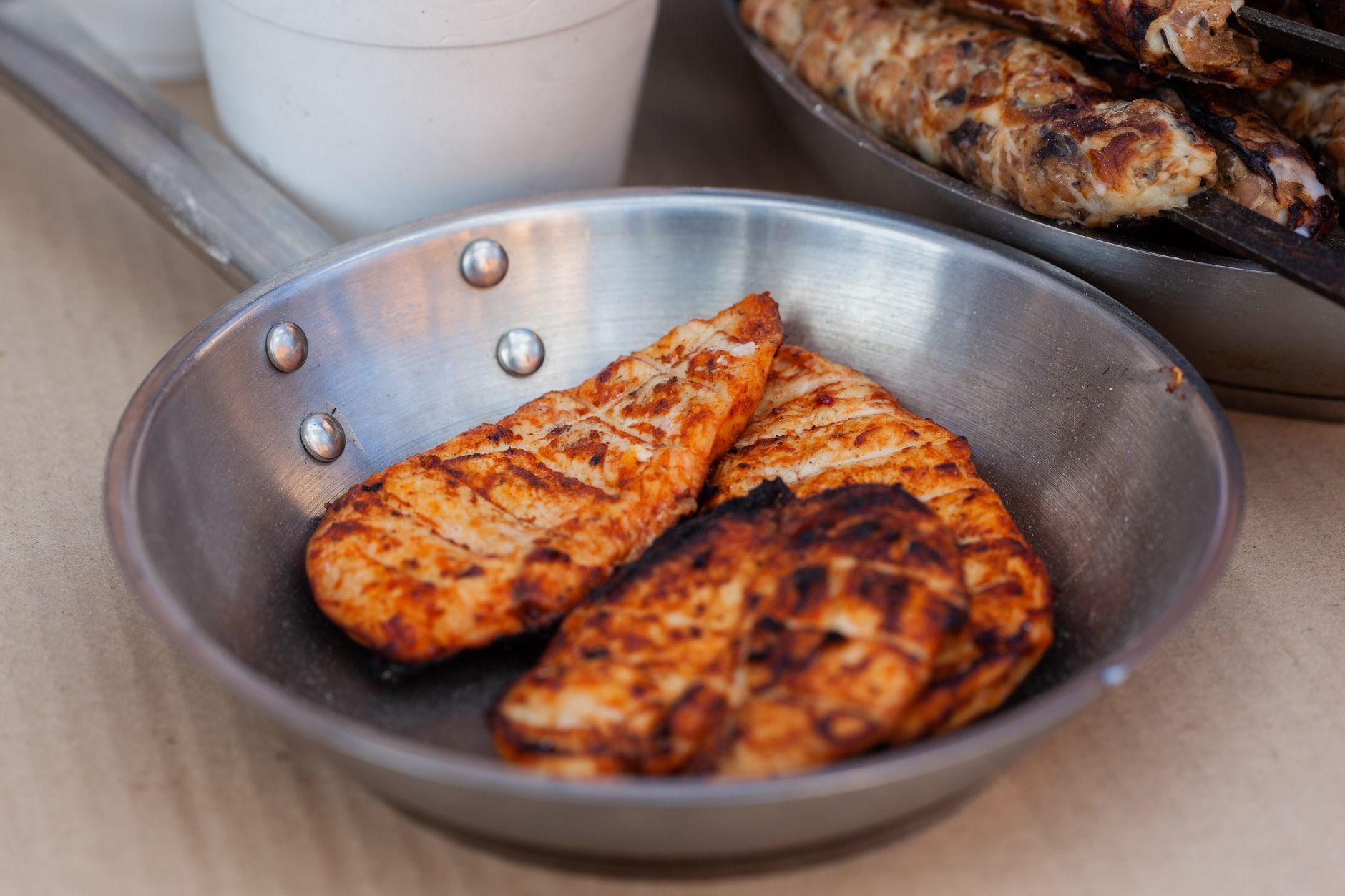
Protein is an essential nutrient that plays a crucial role in building and repairing tissues, making it a staple in many diets. For those looking to increase their protein intake, certain meats stand out due to their higher protein content. This guide explores various meats that are high in protein, detailing their protein amounts per serving size.
Understanding the protein content in different meats can help you make informed choices for meal planning, whether you are preparing a quick weeknight dinner or packing meals for the week ahead. Let’s delve into the protein-rich meat options available.
What Meats Are High in Protein? (Amounts by Serving Size)
Many meats are rich in protein, each offering different flavors and culinary uses. Below, we break down various kinds of meats, their protein content by standard serving sizes, and additional nutritional information to assist in choosing the best options for your diet.
1. Chicken Breast
Chicken breast is one of the leanest and most popular sources of protein, making it a staple in many households.
- Protein Content: Approximately 26 grams of protein per 3-ounce cooked serving.
- Calories: About 140 calories.
- Fat: 3 grams.
Chicken breasts can be grilled, baked, or sautéed and are versatile for various recipes ranging from salads to casseroles. For a protein-packed meal, consider pairing chicken breast with quinoa or lentils.
2. Turkey
Turkey, particularly turkey breast, is another lean protein option that is low in fat.
- Protein Content: Around 25 grams of protein per 3-ounce cooked serving.
- Calories: Approximately 135 calories.
- Fat: 1 gram.
This versatile meat can be used in sandwiches, soups, and stir-fries, making it a great option for any meal of the day.
3. Lean Cuts of Beef
Beef is an excellent source of protein, particularly when choosing lean cuts such as sirloin or tenderloin.
- Protein Content: Roughly 22 grams of protein per 3-ounce cooked serving (for lean cuts).
- Calories: About 180 calories.
- Fat: 9 grams.
Beef can be grilled, roasted, or sautéed and is often included in dishes like fajitas, stir-fries, and hearty stews. When selecting beef, look for lean cuts to maximize protein while minimizing fat.
4. Pork Tenderloin
Pork tenderloin is a lean cut of pork that provides a significant protein boost.
- Protein Content: Approximately 23 grams of protein per 3-ounce cooked serving.
- Calories: About 120 calories.
- Fat: 3 grams.
This cuts well for roasting or grilling and pairs wonderfully with fruits like apples or pears for a delicious contrast.
5. Fish
Fish, especially varieties like salmon, tuna, and halibut, are not only high in protein but also contain healthy omega-3 fatty acids.
- Protein Content:
- Salmon: 22 grams per 3-ounce cooked serving.
- Tuna: 25 grams per 3-ounce cooked serving.
- Halibut: 23 grams per 3-ounce cooked serving.
- Calories:
- Salmon: About 175 calories.
- Tuna: Approximately 130 calories.
- Halibut: Around 140 calories.
- Fat:
- Salmon: 9 grams.
- Tuna: 1 gram.
- Halibut: 3 grams.
Fish can be baked, grilled, or pan-seared, providing a flavorful and healthy option for dinner. A light herb sauce can enhance the deliciousness of any fish dish.
6. Lamb
Lamb offers a rich flavor along with a decent amount of protein.
- Protein Content: About 23 grams of protein per 3-ounce cooked serving (for lean cuts).
- Calories: Approximately 250 calories.
- Fat: 17 grams.
Lamb is often used in Mediterranean and Middle Eastern dishes, contributing a unique flavor profile to soups, stews, and kebabs.
7. Bison
Bison is a lean red meat alternative to beef that packs a punch in protein content while being lower in fat.
- Protein Content: Approximately 24 grams of protein per 3-ounce cooked serving.
- Calories: About 150 calories.
- Fat: 7 grams.
Bison meat can be used in the same way you would use beef, making it suitable for burgers, steaks, and stews. It has a slightly sweeter flavor than beef, giving it a distinct taste.
8. Venison
Venison, which includes deer and elk, is a game meat that offers a potent protein punch.
- Protein Content: Roughly 26 grams of protein per 3-ounce cooked serving.
- Calories: Approximately 158 calories.
- Fat: 5 grams.
Venison has a rich, strong flavor and is typically used in hearty dishes like stews or grilled. It can be an excellent alternative for those looking to try something different from traditional meats.
9. Shellfish
Shellfish such as shrimp, scallops, and crab are not only delicious but also high in protein.
- Protein Content:
- Shrimp: 20 grams per 3-ounce cooked serving.
- Scallops: 20 grams per 3-ounce cooked serving.
- Crab: 19 grams per 3-ounce cooked serving.
- Calories:
- Shrimp: About 85 calories.
- Scallops: Approximately 90 calories.
- Crab: Around 80 calories.
- Fat:
- Shrimp: 1 gram.
- Scallops: 1 gram.
- Crab: 2 grams.
Shellfish can be steamed, sautéed, or grilled and add a delightful twist to salads, pastas, and risottos.
10. Tofu and Plant-Based Alternatives
Though not meat, it’s worth noting that plant-based proteins like tofu can also be rich in protein and serve as alternatives for those seeking non-animal options.
- Protein Content: Approximately 10 grams of protein per 3-ounce serving.
- Calories: About 70 calories.
- Fat: 4 grams.
Tofu can be stir-fried, grilled, or incorporated into soups, making it versatile for a variety of cuisines. For those primarily consuming plant-based diets, it is essential to complement tofu with other protein sources to meet nutritional needs effectively.
Choosing High-Protein Meats in Grocery Stores
When selecting high-protein meats at the grocery store, consider the following tips:
- Look for Lean Cuts: Focus on lean cuts that have less visible fat, particularly for beef and pork.
- Choose Fresh or Frozen: Select fresh meat or high-quality frozen options to retain nutrients.
- Read Labels: For processed meats, read nutrition labels to gauge added sugars, preservatives, and sodium levels.
By opting for the right cuts and varieties, you can incorporate high-protein meats into your diet while keeping your meals healthful and balanced.
Cooking Techniques to Enhance Protein-rich Meals
How you prepare meat can also impact its nutritional profile. Here are some cooking techniques to make your high-protein meals both delicious and healthy:
Grilling
Grilling allows for excess fat to drip away, making it an excellent cooking method for meats like chicken and turkey.
Roasting
Roasting meats in the oven enhances flavor and helps to keeping the meat tender and juicy. Consider seasoning with herbs and spices for added nutrition.
Baking
Baking meats like fish and poultry in parchment paper can help retain moisture while preventing the need for added fats or sauces.
Sautéing
Sautéing meats in a little olive oil and choosing quick-cooking vegetables is a fast way to prepare a protein-rich meal.
Common Mistakes When Cooking Meats
To achieve the best results when cooking high-protein meats, avoid these common mistakes:
- Overcooking: Keep an eye on cooking times to avoid drying out the meat. Use a food thermometer to check for doneness.
- Skipping Marinades: Marinating can enhance flavor and tenderness in meats; don’t skip this crucial step.
- Narrow Seasoning: Don’t rely solely on salt and pepper; explore various spices and herbs to elevate your dish.
Storage and Reheating of High-Protein Meats
Proper storage and reheating are essential for retaining both flavor and safety.
- Storage: Cooked meat should be stored in airtight containers in the refrigerator and consumed within 3-4 days. For longer storage, freeze meat in vacuum-sealed bags or wrap tightly in plastic wrap and aluminum foil.
- Reheating: When reheating, ensure the meat reaches an internal temperature of at least 165°F to eliminate harmful bacteria.
Following these guidelines will help you enjoy your high-protein meals safely.
Meats high in protein are not only nutritious but also versatile, allowing you to create a myriad of flavorful dishes. Exploring the various options can transform your meal planning and meal prep routines, empowering you to make healthier choices effortlessly.
For further insights on food storage practices, consider reading about how long cooked ground beef is good in the fridge and check out the protein content in ground beef to aid in your meal planning.