
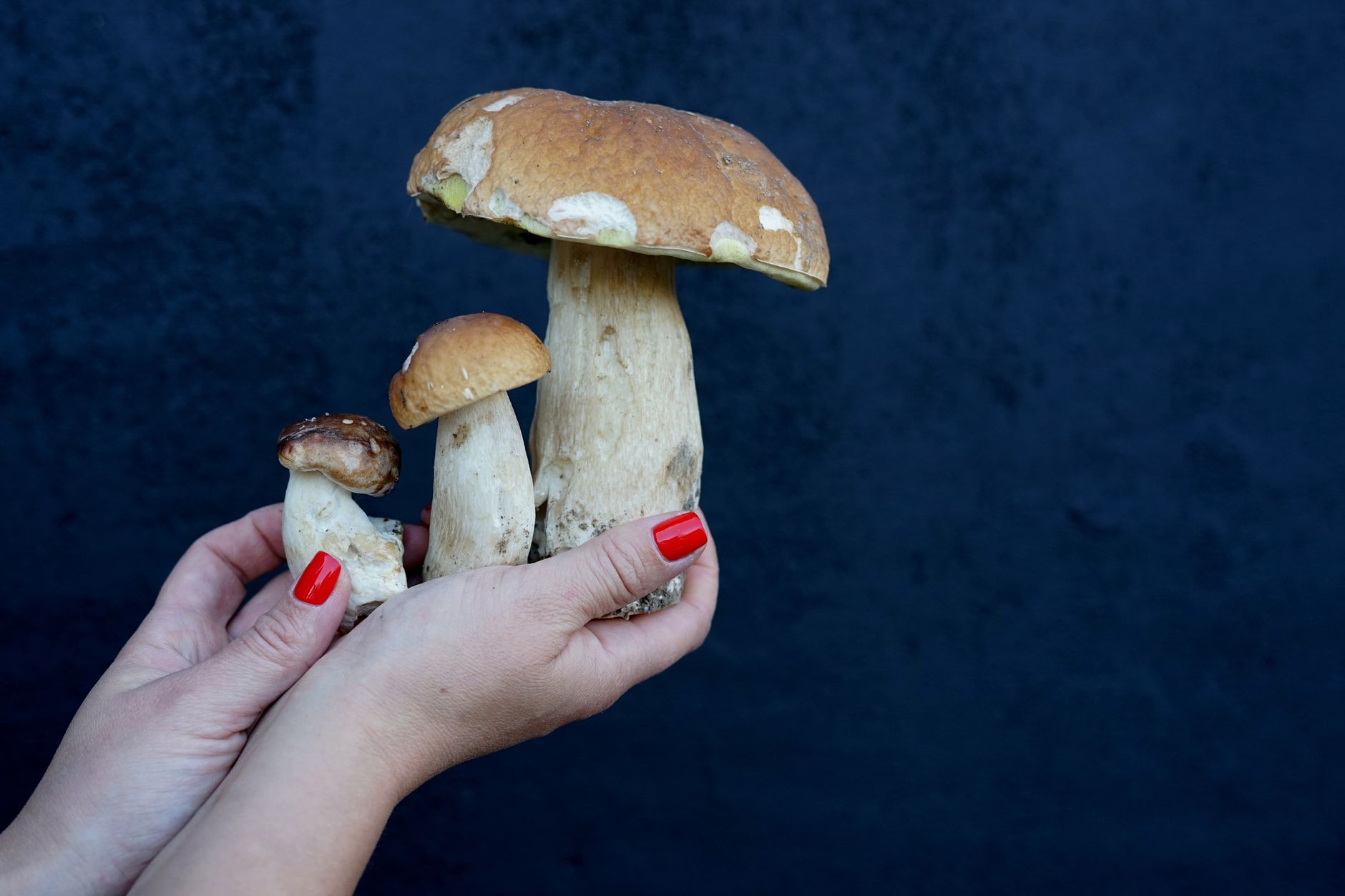
Porcini mushrooms, known scientifically as Boletus edulis, are a prized edible fungus cherished for their rich flavor and culinary versatility. These mushrooms are notable for their dense texture and umami-rich taste, making them a favorite in various dishes, from risottos and pastas to soups and sauces.
Understanding the characteristics and uses of porcini mushrooms can elevate your cooking and enhance the flavors of your meals. This article will delve into what porcini mushrooms are, their flavor profile, how to select and prepare them, and suggestions for serving.
What Is Porcini?
Porcini mushrooms are a type of wild mushroom found in various regions worldwide, particularly in Europe, North America, and Asia. They are characterized by their thick, bulbous stems and brown caps, which can range from a light tan to a deep chocolate color. Porcini mushrooms are often foraged in forested areas during late summer and autumn, appearing in abundance after rain.
These mushrooms are recognized for their distinct earthy flavor, which makes them a highly sought ingredient in gourmet cooking. They can be used fresh or dried, with the dried version offering an intensified flavor that is often translated into stock or used as a seasoning in various dishes.
Flavor Profile of Porcini Mushrooms
The taste of porcini mushrooms can be described as rich, nutty, and earthy, with a slightly sweet finish. Their unique flavor is attributed to the presence of certain amino acids and glutamic acid, which contribute to the umami effect. When cooked, they develop a tender yet firm texture that complements a wide range of ingredients.
Fresh porcini mushrooms have a delicate aroma that can enhance the overall scent of culinary creations. Dried porcini mushrooms have a more concentrated flavor and aroma, making them particularly suitable for flavoring stocks, sauces, and risottos.
Selecting and Storing Porcini Mushrooms
When choosing fresh porcini mushrooms, look for specimens that are firm, plump, and free from blemishes or mold. The caps should be smooth and unwrinkled, and the stems should feel solid, not spongy. Avoid any mushrooms that appear slimy or have dark spots, as these may indicate spoilage. For dried porcini, choose products that are intact, fragrant, and free from grit or visible impurities.
For storage, fresh porcini mushrooms should be kept in a paper bag in the refrigerator, where they can last for about a week. Do not store them in plastic, as this can cause moisture to accumulate and spoil the mushrooms. Dried porcini mushrooms should be stored in a cool, dark place in an airtight container, where they can maintain their flavor for several months or even longer.
How to Prepare Porcini Mushrooms
Preparation of porcini mushrooms is relatively simple, as they require minimal handling before cooking. Here are essential steps to prepare both fresh and dried porcini mushrooms:
Preparing Fresh Porcini
- Gently brush off any dirt using a soft brush or a damp cloth. Avoid submerging them in water, as they can absorb moisture, affecting their texture and flavor.
- Trim the stem ends if they appear tough or dry.
- Slice or chop the mushrooms according to your recipe’s requirements.
Preparing Dried Porcini
- Rinse the dried porcini mushrooms to remove dust or debris.
- Soak the mushrooms in warm water for 20 to 30 minutes until tender. This will also create a flavorful soaking liquid that can be used in your dish.
- After soaking, drain and reserve the liquid, and chop the rehydrated mushrooms as necessary.
Cooking with Porcini Mushrooms
Cooking with porcini mushrooms opens a world of flavor possibilities. Here are some common methods to incorporate them into your meals:
1. Sautéing
Sautéing is a classic method for preparing porcini mushrooms, allowing their natural flavors to shine. In a hot skillet with olive oil or butter, add sliced porcini mushrooms and sauté until they are golden brown. This method works well for adding to pastas, risottos, or as a topping for meats.
2. Risotto
Porcini mushrooms are an excellent addition to risotto, bringing depth and earthiness to the dish. After preparing the rice base, stir in sautéed porcini or rehydrated dried porcini along with some of the soaking liquid for added flavor. Finish with parmesan cheese for a creamy texture.
3. Soups and Stocks
Dried porcini mushrooms can be used to enrich soups and stocks. Simply add the rehydrated mushrooms and the soaking liquid to your simmering broth, enhancing its flavor profile with rich umami notes.
4. Sauces
Creating a sauce with porcini mushrooms can elevate meats and pasta dishes. Sauté the mushrooms with garlic and onions, then deglaze the pan with wine or broth, allowing the flavors to meld together. Finish the sauce with cream or olive oil for a luxurious touch.
Serving Suggestions for Porcini Dishes
When serving dishes that feature porcini mushrooms, consider pairing them with complementary flavors:
- Accompany porcini risotto with a drizzle of truffle oil for an added layer of flavor.
- Serve sautéed porcini mushrooms alongside grilled chicken or steak to balance the flavors with their earthy taste.
- Incorporate them into vegetarian dishes with grains, such as farro or barley, to create hearty meals.
- Consider serving porcini soup in a rustic bread bowl for a cozy presentation.
Substitutions for Porcini Mushrooms
While porcini mushrooms are unique in flavor, there are substitutes that can be used if they are unavailable:
- Mushroom Mix: A blend of shiitake, cremini, and button mushrooms can mimic the umami profile of porcini when sautéed together.
- Shiitake Mushrooms: Fresh shiitake have a robust flavor that can stand in for porcini in soups and stir-fries.
- Other Gourmet Mushrooms: Morels or chanterelles can offer similar depth of flavor and can be interchanged in recipes calling for porcini.
- Dried Shiitake: If fresh porcini are hard to find, using dried shiitake mushrooms can provide a comparable taste when rehydrated.
Common Mistakes When Cooking with Porcini Mushrooms
While cooking with porcini mushrooms can be straightforward, there are some common pitfalls to avoid:
- Overcooking: Porcini mushrooms should be cooked just until they are tender; overcooking can lead to a rubbery texture.
- Improper Storage: Neglecting to store fresh porcini properly can lead to rapid spoilage; always keep them in a cool, dry place.
- Not Using Soaking Liquid: For dried porcini, discard the soaking liquid. Instead, use it to enhance the flavor of soups or sauces.
- Underseasoning: Given their rich flavor, ensure to season dishes properly to enhance the natural taste of the porcini mushrooms.
Health Benefits of Porcini Mushrooms
While the focus is typically on their culinary uses, porcini mushrooms also offer several health benefits:
- Rich in Nutrients: Porcini are a good source of vitamins, including B vitamins, and minerals like copper and selenium.
- Low in Calories: They are low-calorie foods, making them a great addition to various diets while providing essential nutrients.
- Antioxidant Properties: Porcini mushrooms contain antioxidants that may help neutralize free radicals in the body.
How to Enjoy Porcini Throughout the Year
To enjoy the distinct flavors of porcini mushrooms beyond the harvest season, think about these strategies:
- Drying Fresh Porcini: If you have a bounty, consider drying fresh porcini mushrooms to extend their shelf life, allowing you to use them later.
- Utilizing Frozen Porcini: Blanch and freeze fresh porcini mushrooms for off-season cooking.
- Incorporating Porcini Powder: Grind dried porcini mushrooms into a powder as a flavorful seasoning for various dishes.
Conclusion
Porcini mushrooms are a versatile and flavorful ingredient that can enhance many dishes with their earthy richness. Whether you are using fresh or dried porcini, their unique attributes can elevate your cooking and bring gourmet touches to everyday meals. With the knowledge of how to select, prepare, and serve porcini mushrooms, you’ll be well-equipped to incorporate this delightful fungus into your culinary repertoire.
For further culinary exploration, consider reading about good substitutes for herbs like rosemary at this link, or learn how to make a delicious marsala sauce at this link.