
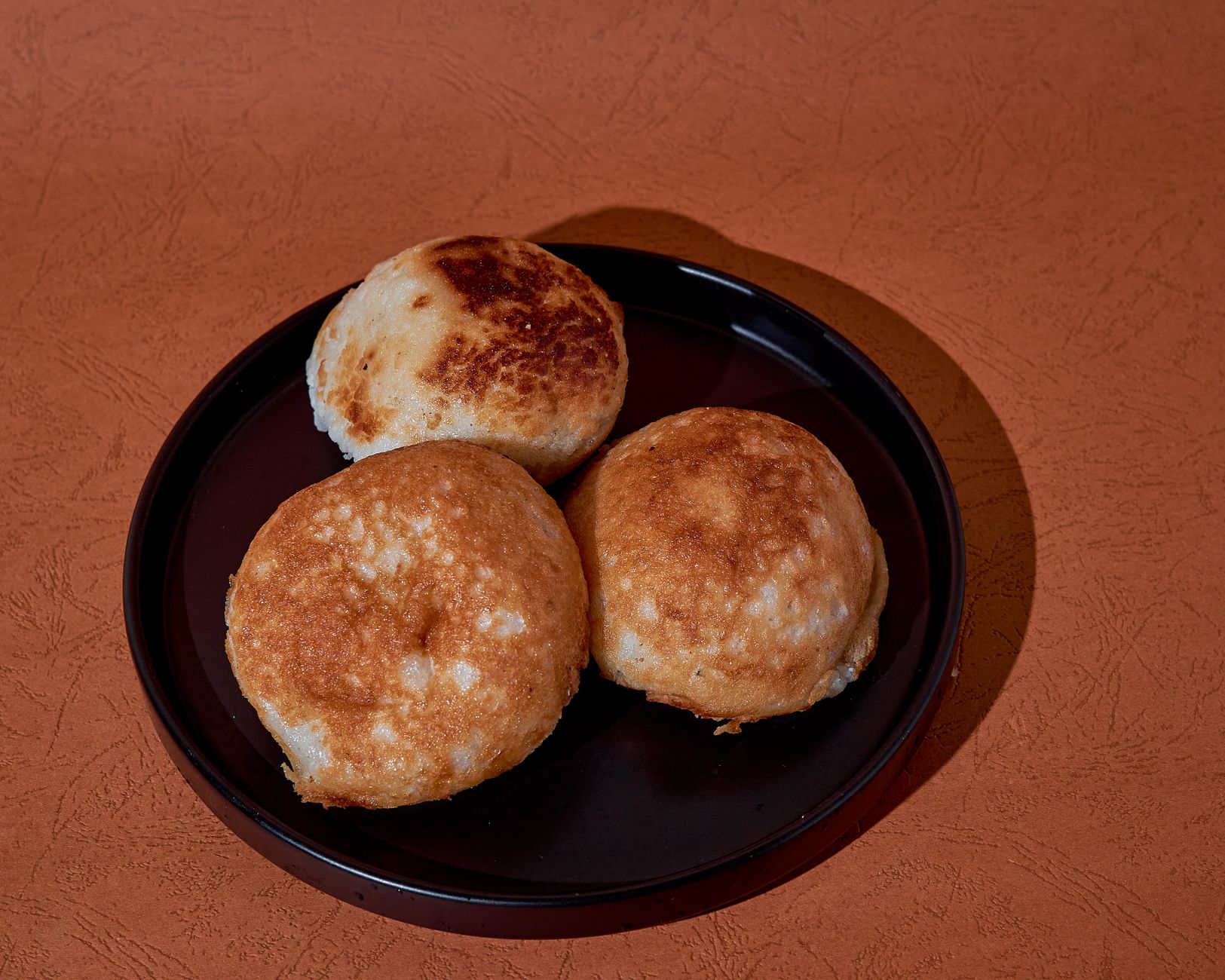
Many health-conscious individuals or those with gluten sensitivities often explore different types of bread to find suitable options. One category gaining interest is Royo bread. With its unique properties, prospective consumers wonder: Is Royo bread gluten free? This article will clarify whether Royo bread can fit a gluten-free diet.
Understanding the ingredients and manufacturing process of Royo bread is key. We will dive into its composition, potential allergens, and considerations for anyone looking to incorporate it into their gluten-free meal plan.
Is Royo Bread Gluten Free?
Royo bread is not inherently gluten-free. It traditionally contains wheat flour, which contains gluten. However, adaptations and variations exist, particularly for those who require gluten-free options. The best way to determine the gluten content is by checking the packaging or contacting the manufacturer directly.
Ingredients of Royo Bread
The specific ingredients can vary based on the recipe or brand, but traditional Royo bread typically includes the following:
- Wheat flour
- Water
- Yeast
- Salt
- Oil or fat
- Optional flavorings, such as herbs or spices
Gluten Content
The primary ingredient that raises concerns for gluten-free diets is wheat flour. Wheat flour is high in gluten, which provides structure and elasticity to baked goods. Gluten sensitivity or celiac disease can restrict consumers from bread containing wheat flour.
Potential Gluten-Free Variations
With the growing awareness of gluten sensitivities, some bakers and brands are producing gluten-free versions of Royo bread. These gluten-free alternatives often use a blend of different flours, such as:
- Brown rice flour
- Almond flour
- Coconut flour
- Chickpea flour
- Tapioca flour
These flours do not contain gluten and can create a suitable substitute. However, it is essential to read labels carefully or ask about the ingredients to ensure they meet gluten-free standards.
Checking for Allergen Information
Besides gluten, it is crucial to consider other potential allergens when evaluating Royo bread. Common allergens found in traditional Royo bread include:
- Wheat
- Gluten
- Yeast
- Eggs (in some variations)
Always check for other allergens listed on the packaging, especially if you have additional dietary concerns. Gluten-free Royo bread may still contain other allergens depending on the ingredients used.
Health Considerations
Whether gluten-free or not, it’s essential to evaluate the nutritional profile of Royo bread. Traditional bread varieties may contain refined sugars, preservatives, or additives that some individuals prefer to avoid. Here’s what to keep in mind:
Nutritional Content
Royo bread can vary in nutritional benefits based on ingredients. Traditional Royo bread typically provides:
- Carbohydrates from wheat
- Protein mainly from wheat
- Small amounts of fiber, depending on the flour used
For gluten-free alternatives, the nutritional makeup can differ significantly. For instance, almond and coconut flours tend to be higher in protein and healthy fats, offering more nutritional benefits compared to traditional wheat flour.
Caloric and Carb Content
The caloric and carbohydrate content of Royo bread can impact those monitoring their intake for weight management or blood sugar control. Homemade or specialized gluten-free versions may offer options that cater to lower-calorie or lower-carb diets. Always check nutritional labels or calculate the values if making your own versions.
Cooking and Baking With Royo Bread Alternatives
If you’re interested in experimenting with gluten-free Royo bread or similar recipes, consider your cooking techniques and how they differ from traditional bread. Here are key aspects:
Baking Techniques
Gluten-free baking often requires different techniques compared to traditional methods due to the absence of gluten. Consider the following:
- Incorporate binders such as xanthan gum or psyllium husk to improve texture and elasticity.
- Alter liquid ratios since gluten-free flours may absorb moisture differently.
- Be cautious of overmixing; gluten-free doughs can become dense if mixed too long.
Flavor and Texture Adjustments
Royo bread typically has a soft and fluffy texture, which is sometimes challenging to replicate in gluten-free versions. Here are tips to adjust flavor and texture:
- Experiment with different flours to find the right balance of flavor and texture.
- Introduce spices or herbs to enhance the taste, creating depth in bread alternatives.
How to Find Gluten-Free Royo Bread
If you’re seeking gluten-free Royo bread or alternatives, several avenues can help you in your search:
Online Retailers
Various online retailers specialize in gluten-free baking products. Websites such as Amazon or specialized gluten-free brands often carry a range of gluten-free breads, including Royo bread variants.
Local Bakeries
Local artisan bakeries increasingly offer gluten-free options. Visiting local establishments might uncover freshly baked gluten-free Royo bread or equivalents made with diverse flours.
Grocery Stores
Many grocery stores are beginning to cater to gluten-free diets. Look for gluten-free bread options in the designated allergy-friendly food section or the bakery section. Always check for gluten-free certifications on labels.
Making Royo Bread at Home
If you enjoy baking, consider making Royo bread at home using gluten-free ingredients. Here’s an outline of steps to create a gluten-free version:
Essential Ingredients
- 2 cups gluten-free flour blend
- 1 cup water
- 1 tablespoon active dry yeast
- 1 teaspoon salt
- 2 tablespoons oil (olive, coconut, or vegetable)
- Xanthan gum (if not included in the flour blend, around 1 teaspoon)
Baking Method
- In a small bowl, mix warm water with yeast. Let it sit for about 5-10 minutes until frothy.
- In a larger bowl, combine gluten-free flour, salt, and xanthan gum.
- Add the yeast mixture and oil into the dry ingredients. Mix until combined.
- Cover the bowl with a towel and let it rise in a warm place for about 30 minutes.
- Preheat the oven to 375°F (190°C).
- Transfer the dough to a greased loaf pan. Shape the dough to fit the pan.
- Bake in the oven for 30-40 minutes or until the bread has a golden crust and sounds hollow when tapped.
- Allow it to cool before slicing to maintain texture.
Common Mistakes to Avoid
When working with gluten-free bread, be aware of some common pitfalls to prevent disappointing results. Here are a few mistakes to avoid:
- Not measuring ingredients accurately, particularly when using flour blends.
- Skipping binders, as they are essential for the structure of gluten-free bread.
- Overbaking, leading to a dry texture; adjust time based on your oven’s temperature and performance.
Storing Royo Bread
Proper storage lengthens the life of your bread and preserves its freshness. Here are the best practices:
Traditional Royo Bread
- Store leftover bread in an airtight container at room temperature for about 2-3 days.
- For longer storage, freeze the bread in plastic wrap and aluminum foil for up to three months. Thaw before consuming.
Gluten-Free Royo Bread
- Due to varying recipes, gluten-free bread often has a shorter shelf life. Generally, store it in an airtight container to prevent drying out.
- Freezing gluten-free bread works similarly; wrap it tightly and freeze for up to three months.
Conclusion
Royo bread is traditionally not gluten-free, as it contains wheat flour and gluten. However, gluten-free alternatives are increasingly available, allowing those with dietary restrictions to enjoy similar products. Whether you shop for gluten-free versions or opt to create your own at home, understanding the ingredients and preparation methods is essential.
If you’re interested in exploring gluten-free recipes further, consider trying a gluten-free gnocchi recipe or a gluten-free waffle recipe for variety in your diet.