
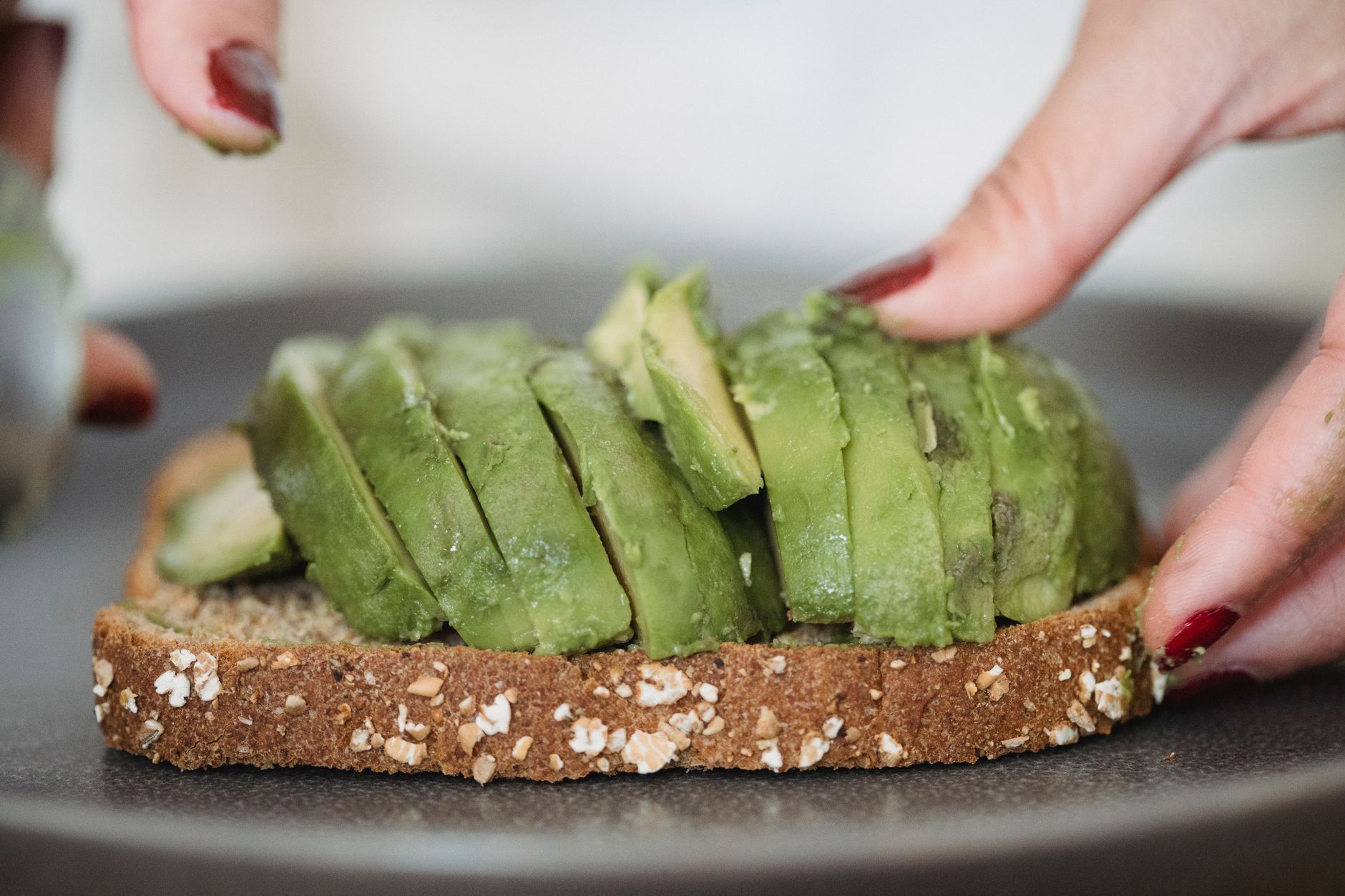
Food choices play a pivotal role in managing gestational diabetes, especially leading up to a glucose tolerance test. Understanding what to eat before a gestational diabetes test is essential for ensuring accurate results. This article aims to provide guidance on creating a balanced and thoughtful meal plan in preparation for your test.
Simply put, you want to focus on nourishing foods that help stabilize your blood sugar levels. Incorporating healthy pairings of proteins, fats, and carbohydrates can help you achieve this goal. Let’s delve into the best food choices, meal ideas, and strategies for what to eat before your gestational diabetes test.
What to Eat Before Gestational Diabetes Test?
Before your gestational diabetes test, aim for foods that are low in sugar and refined carbohydrates while being rich in fiber and protein. Including complex carbohydrates combined with healthy fats and proteins will help regulate blood sugar levels. Some recommended options include whole grains, lean meats, vegetables, and healthy fats.
Understanding Gestational Diabetes Testing
There are two primary tests for gestational diabetes: the initial screening (often the glucose challenge test) and the diagnostic test (the glucose tolerance test). The initial screening usually occurs around the 24th to 28th weeks of pregnancy. The results from these tests can help determine if further monitoring is necessary.
Key Nutritional Considerations
Before your test, focus on nutritional balance. Foods high in fiber and protein can help maintain steady blood sugar levels. Here are the key components to consider:
- Fiber: Foods rich in fiber can slow down the absorption of sugar, helping prevent spikes in blood glucose. Think whole grains, vegetables, fruits, and legumes.
- Protein: Including lean protein sources can maintain fullness and stabilize blood sugar. Opt for chicken, fish, eggs, or plant-based proteins like beans and lentils.
- Healthy Fats: Incorporating healthy fats such as avocado, nuts, seeds, and olive oil can also help regulate blood sugar levels. They slow digestion and provide lasting energy.
- Complex Carbohydrates: Choose whole grains over refined grains. Brown rice, quinoa, whole wheat bread, and oats are excellent choices.
Meal Pairings for Optimal Blood Sugar Control
The following meal pairings can help ensure balanced nutrition before your test:
Breakfast Ideas
- Oatmeal with Nuts and Berries: Start your day with oatmeal topped with walnuts and a handful of fresh berries. Oats are rich in fiber, while berries provide antioxidants without high sugar content.
- Scrambled Eggs with Spinach: Serve scrambled eggs with sautéed spinach and a slice of whole-grain toast. Eggs are a great protein source, and spinach is low in carbohydrates.
- Greek Yogurt with Chia Seeds: Greek yogurt packed with protein topped with chia seeds and a small amount of fruit offers a nutrient-dense breakfast.
Lunch Options
- Grilled Chicken Salad: Combine grilled chicken breast with mixed greens, cherry tomatoes, cucumber, and a drizzle of olive oil. The lean protein and healthy fats make for a filling meal.
- Quinoa Bowl: Create a quinoa bowl with black beans, diced bell peppers, diced avocado, and a squeeze of lime. Quinoa is a great source of protein and fiber.
- Hummus and Veggie Wrap: Use a whole-grain wrap and fill it with hummus, shredded carrots, cucumber, and spinach. Hummus adds protein and healthy fat along with fiber.
Dinner Suggestions
- Baked Salmon with Sweet Potato: A fillet of salmon served with baked sweet potato and steamed broccoli. Salmon provides omega-3 fatty acids for heart health.
- Stir-Fried Tofu with Vegetables: Tofu stir-fried with broccoli, bell peppers, and carrots served over brown rice. This dish is rich in protein and fiber.
- Turkey and Vegetable Stir-Fry: Ground turkey cooked with an assortment of vegetables like cabbage, snow peas, and carrots. Serve with a side of quinoa for added protein.
Snacks to Consider
- Apple Slices with Almond Butter: A simple snack that combines fiber with healthy fats and protein.
- Veggies with Hummus: Carrot sticks, cucumber slices, or bell pepper strips paired with hummus is a crunchy, satisfying option.
- Cottage Cheese with Berries: This combination offers protein and a hint of sweetness without added sugar.
Foods to Avoid
In the days leading up to your gestational diabetes test, try to limit or avoid the following:
- Refined Sugars: Foods high in added sugars can spike your blood sugar levels. This includes candy, pastries, and sugar-sweetened beverages.
- White Bread and Pasta: Opt for whole grain versions instead of white flour products, which can raise blood sugar quickly.
- High-Carbohydrate Foods: Foods like white rice and sugary cereals should also be minimized.
- Processed Snacks: Chips, cookies, and similar processed snacks often contain unhealthy fats and added sugars.
Hydration Matters
Staying hydrated is particularly important when preparing for any medical test, including those for gestational diabetes. Aim to drink water regularly throughout the day. Herbal teas without added sweeteners are another good option.
Preparing for the Test Day
On the day of the test, consider eating a light meal that aligns with the recommendations discussed. Avoid high-sugar and high-fat options. Here’s a simple plan for test day:
- Breakfast: Choose a small serving of oatmeal with a few nuts, or a smoothie made with spinach, unsweetened almond milk, and a small portion of protein powder.
- Hydration: Keep water accessible. Sip water throughout the morning to remain well-hydrated.
- Timing: Follow any specific instructions given by your healthcare provider regarding when to eat. Generally, it is advisable to have your last meal at least 8 hours before the test.
General Tips and Recommendations
Here are some additional tips for preparing for your gestational diabetes test:
- Mindful Eating: Pay attention to portion sizes and try to eat slowly to gauge fullness and maintain balanced blood sugars.
- Track Your Intake: Consider keeping a food diary to monitor how certain foods affect your blood sugar levels leading up to the test. This can provide valuable insights.
- Consult Your Healthcare Provider: Always feel free to discuss your meal choices and any specific dietary restrictions with your healthcare provider or a registered dietitian.
What Happens After the Test?
After the glucose tolerance test, your healthcare provider will discuss the results and the next steps. If you receive a diagnosis of gestational diabetes, much of the dietary advice above will still apply, but with added emphasis on managing your blood sugar through meal planning and perhaps monitoring your glucose levels.
Staying Informed and Proactive
Understanding your body’s needs during pregnancy is crucial for both your health and your baby’s health. Managing gestational diabetes might entail adopting a balanced diet longer term, and many find that educational resources and support groups to be beneficial.
Conclusion
Choosing the right foods before your gestational diabetes test can make a significant difference in your test results. Focus on balanced meals featuring fiber-rich carbohydrates, lean proteins, and healthy fats. Avoid high-sugar and processed foods along with refined grains, and stay hydrated. This mindful approach can pave the way for a smooth testing experience and help ensure a healthy pregnancy.
If you’re seeking inspiration for nutritious meals, explore these delicious chia pudding recipes or check out good substitutes for herbs and spices to enhance your dishes.